By Jamie Quinn · Updated May 2, 2026
Best Board Game for Replayability in 2026




Best Board Game for Replayability in 2026
Finding a board game that stays fresh after your tenth play is harder than it sounds. Most games hit their peak around game three or four, then the strategy calcifies and players optimize their way to boredom. The best board games for replayability break that pattern—they offer enough mechanical depth, variable setup, or asymmetric gameplay that no two sessions feel identical.
Quick Answer
Root: A Game of Woodland Might and Right | Asymmetric Strategy Board Game by Leder Games | 2–4 Players | Ages 14+ | Adventure, Conflict & Area Control is the strongest pick for pure replayability. Each faction plays by completely different rules, which means the game feels genuinely fresh whether you're commanding the Marquise or scheming as the Conspiracy. Twenty plays in and you're still discovering tactical angles you missed before.
Our Top Picks
| Product | Best For | Price | ||||
|---|---|---|---|---|---|---|
| Root: A Game of Woodland Might and Right \ | Asymmetric Strategy Board Game by Leder Games \ | 2–4 Players \ | Ages 14+ \ | Adventure, Conflict & Area Control | Maximum mechanical variety and asymmetric depth | $48.00 |
| Stonemaier Games: Wingspan (Base Game) by Elizabeth Hargrave \ | A Relaxing, Award-Winning Strategy Board Game About Collecting Birds for Adults and Family \ | 1-5 Players, 70 Mins | Elegant strategy with randomized card draws and seasonal variation | $55.00 | ||
| Sentinels of the Multiverse: Definitive Edition \ | Cooperative Strategy Board Game \ | 1 to 5 Players \ | 30+ Minutes \ | Ages 14+ | Cooperative campaigns with hero/villain combinations that never repeat | $34.99 |
| Splendor Board Game - Master The Art of Wealth and Prestige! - Engaging Gem Mining Strategy Game for Kids & Adults, Ages 10+, 2-4 Players, 30 Min Playtime | Quick gateway game with emergent strategy and player interaction | $28.90 | ||||
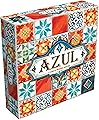
| Azul Board Game - Award-Winning Tile-Placement Strategy Game, Beautiful Mosaic Art, Family Fun for Kids & Adults, Ages 8+, 2-4 Players, 30-45 Minute Playtime | Beautiful, approachable tile-placement with subtle tactical depth | $34.39 |
Detailed Reviews
1. Root: A Game of Woodland Might and Right | Asymmetric Strategy Board Game by Leder Games | 2–4 Players | Ages 14+ | Adventure, Conflict & Area Control

Root stands apart because it refuses to let players settle into a comfortable rhythm. The Marquise de Cat plays like a traditional wargame, controlling territory and building armies. The Eyrie Establishment pilots an elegant pre-programming system where you plan actions in sequence and risk collapse. The Woodland Alliance spreads sympathy and revolts through pure political control. The Vagabond operates as a solo adventurer completing quests and forming alliances. These aren't just different strategies—they're different games bolted onto the same board.
That asymmetry is what makes Root the best board game for replayability. You could play 50 sessions and still discover card combos, faction interactions, and territorial positioning tricks you hadn't considered. The faction asymmetry means you're never playing the "solved" version of the game because the puzzle changes based on who's at the table.
The learning curve is real, though. New players need dedicated time to understand how each faction works. The rulebook isn't terrible, but teaching Root takes patience. If your group values smooth, quick onboarding, this isn't the move. Also, the map-based control system means downtime can stretch if you're playing with analysis-paralysis players.
Pros:
- Four completely distinct factions with different victory conditions and mechanics
- Asymmetric gameplay ensures variety across dozens of plays
- Excellent scalability—the game handles 2, 3, or 4 players well, and each count feels different
- Beautiful production with thematic art and solid components
Cons:
- Steep learning curve; teaching takes 20+ minutes per faction
- Can have downtime in larger player counts
- Higher price point compared to lighter strategy games
---
2. Stonemaier Games: Wingspan (Base Game) by Elizabeth Hargrave | A Relaxing, Award-Winning Strategy Board Game About Collecting Birds for Adults and Family | 1-5 Players, 70 Mins

Wingspan wins on elegance. The premise is deceptively simple: draft bird cards, play them to habitats, and trigger cascading effects. But the card pool is so rich and the interactions so layered that every game charts a different course. One session you're building an engine of high-scoring birds with egg-laying abilities. Next session you're chasing specific habitats or focusing on migration mechanics.
The randomized card draws are the secret sauce here. A 170-card deck means you're rarely seeing identical cards across multiple plays. Combined with the seasonal variant and the way bird powers chain together, Wingspan feels fresh without requiring rules rewrites or expansions. You can play 15 games with the base set and still discover bird combos you hadn't noticed.
The game is also genuinely relaxing, which matters for replayability. You can play this multiple times in an evening without fatigue. It scales beautifully from 1 to 5 players, so it works for solo sessions or family game nights. If you want competitive cutthroat gameplay, though, Wingspan is too gentle. The player interaction is mostly indirect—you're not aggressively blocking each other, just optimizing your own engine.
Pros:
- 170 unique bird cards create variety across plays
- Elegant engine-building with satisfying cascading effects
- Excellent solo mode for practicing strategies
- Accessible to newcomers but rewarding for experienced players
- Beautiful art and thematic integration
Cons:
- Lighter on player interaction and direct competition
- Games can feel similar in structure even if the cards differ
- More of an optimization puzzle than a tactical showdown
---
3. Greater Than Games | Sentinels of the Multiverse: Definitive Edition | Cooperative Strategy Board Game | 1 to 5 Players | 30+ Minutes | Ages 14+

Sentinels of the Multiverse cracks replayability through combinatorial explosion. You pick a hero deck, a villain deck, and an environment deck—and the combinations compound across plays. Fighting Omnitron in a steel mill plays nothing like fighting Omnitron in a cosmic train wreck. Add different hero lineups and you're looking at hundreds of unique scenarios.
The Definitive Edition consolidates earlier releases into a single box with streamlined rules, which is important. The base game's rules had some friction; this version smooths that out. Each hero plays distinctly—The Wraith relies on equipment, Legacy is a pure beatstick, Tachyon manages speed tokens. You're not just optimizing against one puzzle; you're adapting your hero's strategy to the villain and environment thrown at you.
The cooperative nature creates shared victories and defeats, which can feel more satisfying than competitive games. However, the game has a notably high difficulty. If your group finds cooperation games too punishing or luck-dependent, this might frustrate. Also, Sentinels is really best for cooperative games enthusiasts—if you prefer competitive head-to-head play, skip this entirely.
Pros:
- Hundreds of hero/villain/environment combinations
- Each combination creates genuinely different strategic challenges
- Strong thematic integration and superhero flavor
- Excellent for cooperative games where everyone works toward one goal
- Definitive Edition includes refinements over earlier versions
Cons:
- High difficulty can lead to frequent defeats
- Dice rolls occasionally override player strategy
- Takes time to learn all hero abilities
- Downtime between turns can stretch in larger groups
---
4. Asmodee Splendor Board Game - Master The Art of Wealth and Prestige! - Engaging Gem Mining Strategy Game for Kids & Adults, Ages 10+, 2-4 Players, 30 Min Playtime
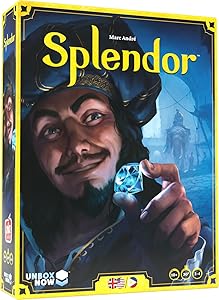
Splendor looks simple on the surface—grab gems, buy cards, earn prestige points—but the best board game for replayability sometimes hides in plain sight. Every shuffle of the three-tier card deck creates different card availability, forcing you to adapt your purchasing strategy. One game you're rushing nobles with early gem hoarding. Next game the gem flow is blocked and you're pivoting to long-term card combos.
The game's genius is its brevity paired with tactical depth. A 30-minute session is quick enough to play twice back-to-back, and the strategies that worked in game one might fail spectacularly in game two because the card layout is different. Player interaction is subtle but constant—blocking gem access, forcing someone to pass their turn, racing for the same noble. It's not flashy, but it's present.
Splendor is a gateway game that punches above its weight for replayability. However, it's not mechanically complex. If you want deep strategic systems or asymmetric factions, this is too lean. It's also lighter on theme—you're managing abstractions, not experiencing a narrative. For families or new board gamers, that's perfect. For veterans seeking mechanical richness, look elsewhere.
Pros:
- Fast play (30 minutes) makes multiple sessions feasible
- Card deck shuffles create genuinely different games
- Simple rules with surprising tactical depth
- Excellent player interaction for a quick game
- Low barrier to entry for new players
Cons:
- Limited mechanical complexity
- Minimal theme integration
- Can feel repetitive if you play 10+ times in rapid succession
- Less interactive than truly heavy games
---
5. Azul Board Game - Award-Winning Tile-Placement Strategy Game, Beautiful Mosaic Art, Family Fun for Kids & Adults, Ages 8+, 2-4 Players, 30-45 Minute Playtime
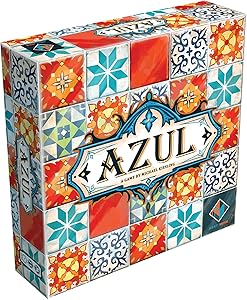
Azul is proof that you don't need complex systems to achieve replayability. The tile-placement mechanism is elegant and self-contained. You're drafting tiles from a central pool and placing them on your personal board to create patterns. The randomization comes from which tiles are available each round, combined with how opponents draft before you.
What makes Azul replayable isn't mechanical depth—it's the emergent strategy from player interaction. The same tile distribution never plays the same way twice because different players pick in different orders and with different priorities. You're constantly adapting to what's available and what your opponents are blocking. It's a game where "play a tile that scores nothing" is sometimes the right move to deny an opponent a winning move.
The accessibility is a huge strength. Azul plays in 30-45 minutes, welcomes complete newcomers, and still challenges experienced players. It's probably the best board game for replayability if your group has mixed skill levels or ages. That said, it's lighter on strategic depth than Root or Wingspan. After 20+ plays, some people find it clicks into rhythm. It's still fun, but less surprising. Also, the game can feel slightly random if players don't understand the blocking mechanics—new players sometimes don't realize they can intentionally pick unoptimal tiles for strategic reasons.
Pros:
- Beautiful, elegant tile-placement mechanism
- Quick play time allows multiple sessions
- Excellent player interaction through tile drafting
- Perfect for mixed-skill groups
- One of the most accessible strategy games available
Cons:
- Lower ceiling for mechanical complexity
- Can feel samey after 20+ plays
- Requires players to understand blocking tactics for full depth
- Limited solo play value
---
How I Chose These
Replayability means something specific: a game stays genuinely interesting across multiple plays without requiring expansions or house rules. I weighted three factors heavily. First, mechanical variety—does the core system generate different strategic paths? Root wins here with faction asymmetry; Wingspan wins through card pools; Splendor wins through deck shuffles. Second, play experience—can you realistically play a game multiple times without fatigue? Azul and Splendor excel because they finish in 30-45 minutes. Third, player agency—can player decisions meaningfully alter outcomes, or does the game follow predetermined paths? All five games here give players real choices that matter.
I excluded games that rely on expansions for long-term play, games with scripted campaigns that end after a set number of plays, and games where the optimal strategy calcifies too quickly. I also prioritized games that work across different player counts, since that flexibility extends replayability naturally.
Frequently Asked Questions
What's the difference between replayability and depth?
A deep game has lots of strategic options, but it can still feel predictable after players solve it. A highly replayable game stays fresh because the puzzle itself changes—through card shuffles, asymmetric factions, or random setup. Root is deep and replayable. Chess is deep but eventually reaches known theory. Azul is replayable without massive depth.
Which of these works best for solo play?
Wingspan has the strongest solo mode—it plays beautifully at one player with a practice-mode difficulty setting. Sentinels of the Multiverse also supports solo play excellently since you control all heroes against the villain. Root, Splendor, and Azul are less designed for solo experiences, though you can simulate opponents if you want.
Can I get replayability without spending $50+?
Absolutely. Splendor ($28.90) and Azul ($34.39) both deliver excellent replayability for less than $35. Sentinels ($34.99) also lands in that sweet spot. If budget is your primary constraint, any of these three will serve you better than a single expensive game you play five times and shelve.
How many plays before a game gets "solved"?
It depends on player skill and the game. Azul
Get the best board game picks in your inbox
New reviews, top picks, and honest recommendations. No spam, unsubscribe anytime.