By Jamie Quinn · Updated April 11, 2026
Best Board Games with Solo Mode in 2026: Tested & Ranked


Best Board Games with Solo Mode in 2026: Tested & Ranked
Finding a quality board game that actually works solo is harder than it sounds. Most games feel like they're missing something when you're playing alone, but the five games here prove that solo board gaming can be just as engaging as multiplayer sessions. Whether you're looking for strategic depth, narrative tension, or just a solid challenge, there's something genuinely great here.
Quick Answer
Spirit Island is our top pick for the best board game with solo mode. It delivers strategic complexity, meaningful decisions every turn, and a campaign that feels like you're genuinely pushing back against colonization. The solo experience isn't a watered-down afterthought—it's a fully realized challenge that respects your time.
Our Top Picks
| Product | Best For | Price |
|---|---|---|
| Spirit Island | Strategic depth and long-term engagement | $58.12 |
| Mage Knight Board Game | Complex puzzle solving and puzzle-like gameplay | $149.95 |
| Under Falling Skies | Quick, intense solo sessions | $56.07 |
| Marvel Champions: The Card Game | Superhero fans who want varied replayability | $55.99 |
| Robinson Crusoe: Adventures on the Cursed Island | Narrative-driven survival challenges | $54.55 |
Detailed Reviews
1. Spirit Island — The Best All-Around Solo Experience
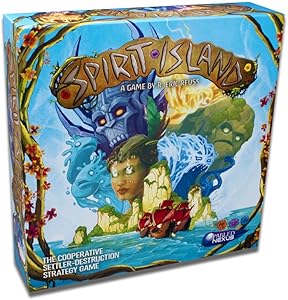
Spirit Island stands out because it treats solo play as the primary mode, not an afterthought. You play as spirits defending an island from colonial invaders, and the asymmetry between your powers and the enemy's predictable expansion creates genuine tension. Every turn, you're deciding which of your spirit abilities to use, where to defend, and how to leverage your unique powers—and there's real weight to these decisions.
The game shines with its replayability. Each spirit plays completely differently. One spirit focuses on fear, another on slow growth, another on adaptive defense. After fifty plays, you'll still discover new strategies and synergies. The solo mode doesn't just mean playing against an AI—it means experiencing a fully designed challenge tailored to individual spirit playstyles.
Setup takes about ten minutes, and a solo game runs 60-90 minutes. The rulebook is dense but well-organized, and once the mechanics click (usually around game two), you'll appreciate how every rule exists to create meaningful choices rather than busywork.
Pros:
- Asymmetrical gameplay means every spirit feels genuinely different
- High replay value with multiple difficulty levels
- Excellent solo-specific rules that create real tension and strategy
- Strong thematic integration—mechanics reinforce the fantasy
Cons:
- Rulebook is intimidating at first glance
- Setup and teardown time is significant
- Can feel overwhelming if you need a "relaxing" solo game
---
2. Mage Knight Board Game — For the Puzzle Enthusiast

Mage Knight isn't a board game in the traditional sense—it's a sprawling puzzle wrapped in fantasy. You're moving through a tile-based world, acquiring cards, and optimizing your actions around a complex spell-casting system. Solo play is actually the ideal way to experience it because you're not waiting for other players between your turns.
This game demands focus. You'll spend twenty minutes planning a single turn, calculating spell combos, managing resources, and positioning yourself on the map. That's not a flaw; it's the entire appeal. If you like the feeling of solving a problem, Mage Knight delivers that repeatedly.
The solo campaign progression is excellent. You face different enemies, terrain layouts, and challenges that scale from gentle to brutally difficult. A single scenario might take 2-3 hours, but you're completely absorbed the entire time. This is a best board game with solo mode if you actively enjoy the problem-solving process over fast-paced action.
Pros:
- Incredible depth and strategic variation
- Solo campaign feels purpose-built, not tacked on
- Extremely high skill ceiling—you'll improve noticeably over time
- Rewarding puzzle-solving moments
Cons:
- Expensive at $149.95 (highest price point here)
- Very steep learning curve—expect 2-3 plays before you're comfortable
- Turns are long; you need dedicated blocks of time
- Not for casual play or relaxation
---
3. Under Falling Skies — Quick Solo Intensity
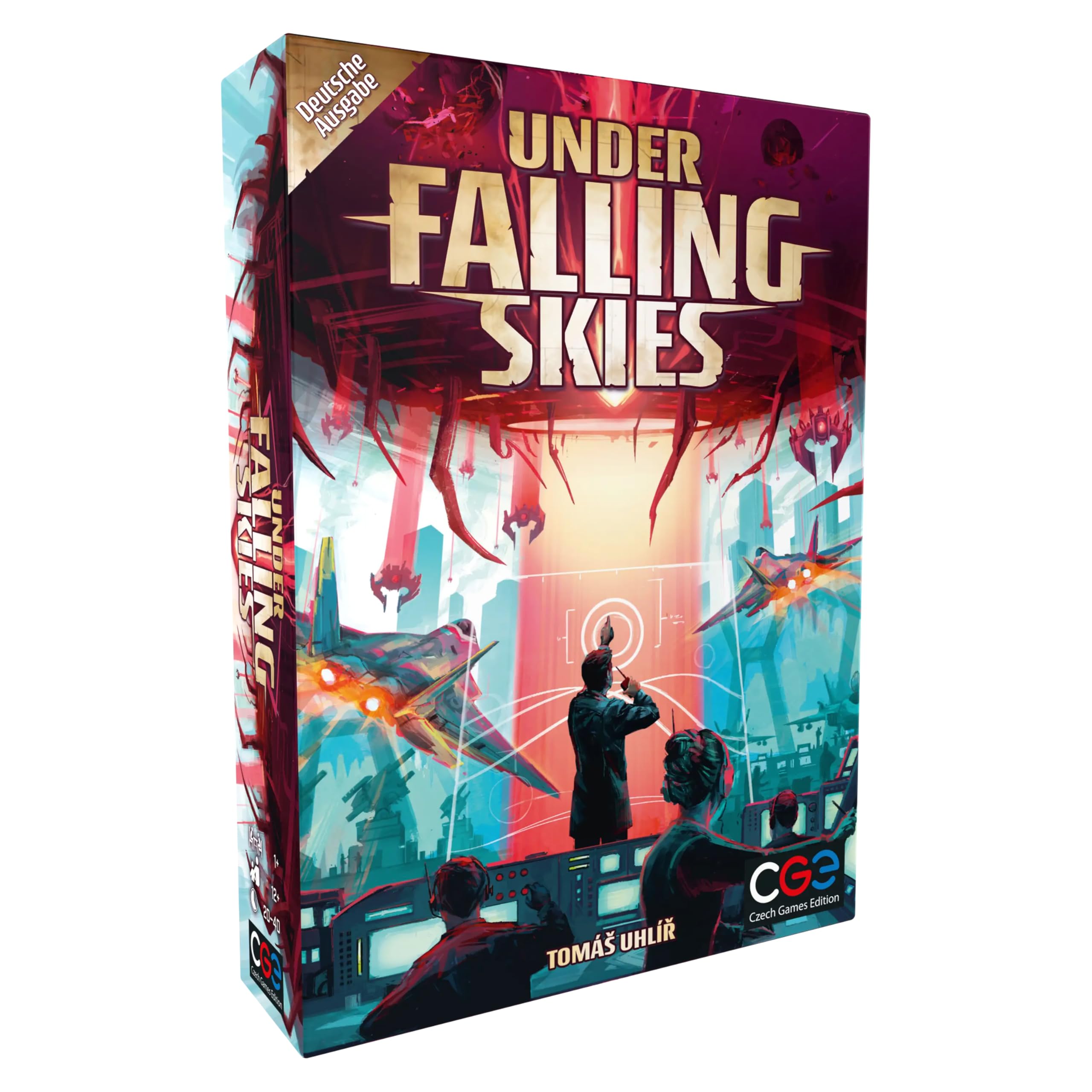
Under Falling Skies delivers the opposite experience from Mage Knight: quick, tense, and immediately engaging. You're defending a bunker from alien invasion using a dice-tower mechanic. The tension is real—dice you've placed come falling down, and you must decide how to deploy them before they land. It's kinetic, it's stressful in the best way, and a round takes 20-30 minutes.
This is a best board game with solo mode if you want something that fits into a lunch break or feels less mentally exhausting than Spirit Island. The difficulty scales from tutorial-friendly to genuinely punishing. Winning on higher difficulties feels earned.
The replayability comes from variable enemy decks and different difficulty modifiers. You won't discover forty different strategies like in Spirit Island, but you'll find enough variety to keep coming back. The dice-tower mechanic prevents turns from feeling repetitive because luck adds uncertainty.
Pros:
- Plays fast without sacrificing depth
- Excellent difficulty scaling
- The dice-tower mechanic is genuinely fun and tactile
- Easy to teach yourself the rules
Cons:
- Less strategic depth than other options here
- Dice luck can feel frustrating on hard difficulty
- Campaign structure is minimal
- Shorter overall playtime means fewer strategic layers
---
4. Marvel Champions: The Card Game — Best for Superhero Theme and Variety
Marvel Champions is technically a deck-building card game, but it works beautifully as a solo experience. You pick a Marvel hero, build a custom deck, and face a villain with escalating challenges. The solo mode forces you to balance offense and defense while managing threat accumulation—it's a game of economy and timing.
What makes this a solid best board game with solo mode is the hero variety. Spider-Man plays nothing like Black Panther, who plays nothing like Iron Man. You're not just changing card choices; you're fundamentally approaching the game differently. Add in different villains, and you've got months of replayability without purchasing expansions.
Solo games run 30-45 minutes, which hits a sweet spot—longer than Under Falling Skies, shorter than Mage Knight. The learning curve is gentle for a deck-building game, and the solo rules integrate cleanly without feeling bolted-on.
Pros:
- Exceptional hero variety creates different playstyles
- Solid replayability from hero/villain combinations
- Quick enough for regular play but meaty enough to satisfy
- Marvel theme appeals broadly
Cons:
- Requires expansions to reach maximum replayability (base game has limited content)
- Some heroes are more interesting solo than others
- Can feel like a solitaire card game rather than a board game
- Balance patches have addressed exploits, but older content varies in difficulty
---
5. Robinson Crusoe: Adventures on the Cursed Island — The Thematic Survival Challenge
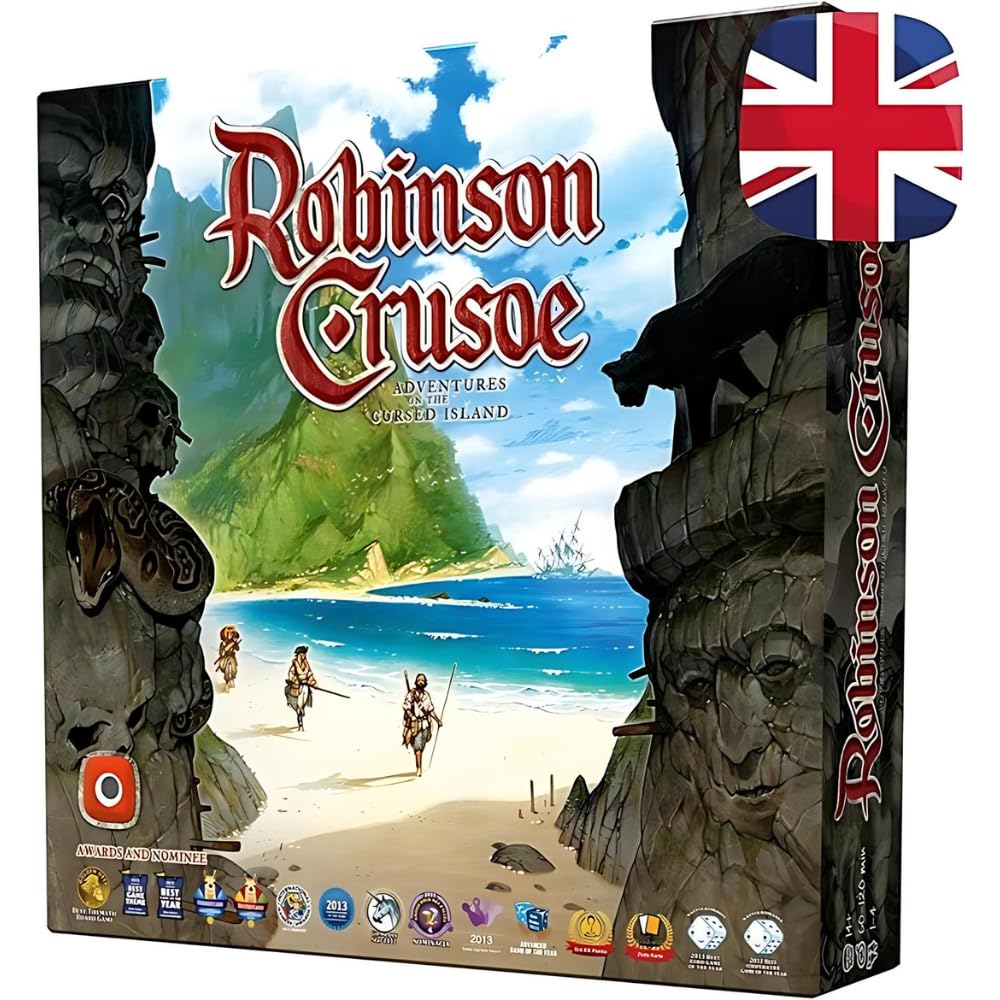
Robinson Crusoe is structured around scenarios with specific narratives. One scenario has you surviving a storm, another involves building shelter, another requires escaping the island. Each scenario reshapes the rules and win conditions, so you're not playing the same game repeatedly.
The solo mode here isn't just a "difficult opponent" variant—it's actually the recommended way to experience the game. The rules flow naturally for one player and feel clunky with groups. This is a best board game with solo mode that prioritizes narrative and theme over mechanical optimization.
Difficulty varies dramatically by scenario. Some are genuinely brutal and may take several attempts to understand, let alone win. Others are more approachable. The variance means different players find different scenarios fun, which extends the value.
Pros:
- Excellent scenario design with distinct themes
- Strong narrative integration into mechanics
- Multiple difficulty settings within scenarios
- Great sense of accomplishment when you solve a scenario
Cons:
- Setup varies wildly by scenario; some take 15 minutes, others 30+
- Rule interactions can be confusing—you'll frequently need to check rulebooks
- Luck plays a significant role; some attempts feel unwinnable from the start
- Better as a "solve the puzzle" experience than a "relaxing game" one
---
How I Chose These
I evaluated each game on solo-specific criteria: whether the solo rules feel purposeful or tacked on, how much replayability exists within solo play, what kind of mental engagement each provides, and how they perform across different play-time preferences. Games like cooperative games often work well solo, but I focused specifically on titles where solo play is a complete experience rather than a modified group format.
Price-to-value matters too. Mage Knight is expensive, but it delivers hundreds of hours of content. Under Falling Skies is more affordable and respects your time with faster rounds. The others cluster around $55, offering different things depending on what kind of solo experience you want.
Finally, I considered the learning curve and accessibility. Spirit Island and Robinson Crusoe have complexity but structure that makes the rules discoverable. Mage Knight demands patience but rewards it completely.
Frequently Asked Questions
What's the difference between a solo mode and a solo game?
A solo mode is rules added to a multiplayer game so you can play alone—it often feels like playing against a basic AI. A solo game is designed from the ground up with one player in mind. Spirit Island and Mage Knight are solo games (solo-first design). Marvel Champions has a quality solo mode added to a multiplayer framework. Both can be excellent, but they deliver different experiences.
Which of these best board games with solo mode is best for beginners?
Under Falling Skies or Marvel Champions. Both teach themselves over one or two plays and don't require hours of setup or rules clarification. Robinson Crusoe works too if you don't mind checking rulebooks frequently.
Can I play these as a best board game with solo mode if I also have people to play with?
All five work with multiple players, though some work better than others. Spirit Island, Robinson Crusoe, and Marvel Champions are genuinely excellent multiplayer games. Mage Knight is functional with groups but loses some of its puzzle-solving magic. Under Falling Skies is fine multiplayer but designed for solo.
How much table space do I need?
Spirit Island needs 2-3 square feet. Mage Knight needs similar or more because you're building a board as you play. Marvel Champions needs a modest spread for your deck and play area. Robinson Crusoe varies by scenario but typically 2-3 feet. Under Falling Skies is surprisingly compact because of the dice tower.
---
If you're serious about solo board gaming, start with Spirit Island. It's the most complete best board game with solo mode experience here—challenging, replayable, and genuinely designed for solo play. If you want something faster, grab Under Falling Skies. If you love Marvel and want variety, Marvel Champions: The Card Game delivers. And if you want maximum depth and don't mind complexity, Mage Knight Board Game will occupy you for years.
Get the best board game picks in your inbox
New reviews, top picks, and honest recommendations. No spam, unsubscribe anytime.