By Jamie Quinn · Updated April 15, 2026
Best Card Games for Kids 2026: Top Picks That Actually Keep Them Engaged


Best Card Games for Kids 2026: Top Picks That Actually Keep Them Engaged
Finding the best card games for kids is harder than it sounds. Most games either bore children to tears or require so much explanation that you've lost them before the first round even starts. I've tested dozens of options over the years, and the ones that stick around in our house are the games that balance strategy with genuine fun—plus games that don't feel like punishment for adults playing along.
Quick Answer
The Crew: Quest for Planet Nine is our top pick for the best card games for kids. It's cooperative, teaches real strategic thinking without being overwhelming, plays in under 20 minutes, and costs just $14.95. Kids actually want to play it again immediately after finishing.
Our Top Picks
| Product | Best For | Price |
|---|---|---|
| The Crew: Quest for Planet Nine | Fast-paced cooperative gameplay | $14.95 |
| The Crew: Mission Deep Sea | Slightly older kids who want more challenge | $18.21 |
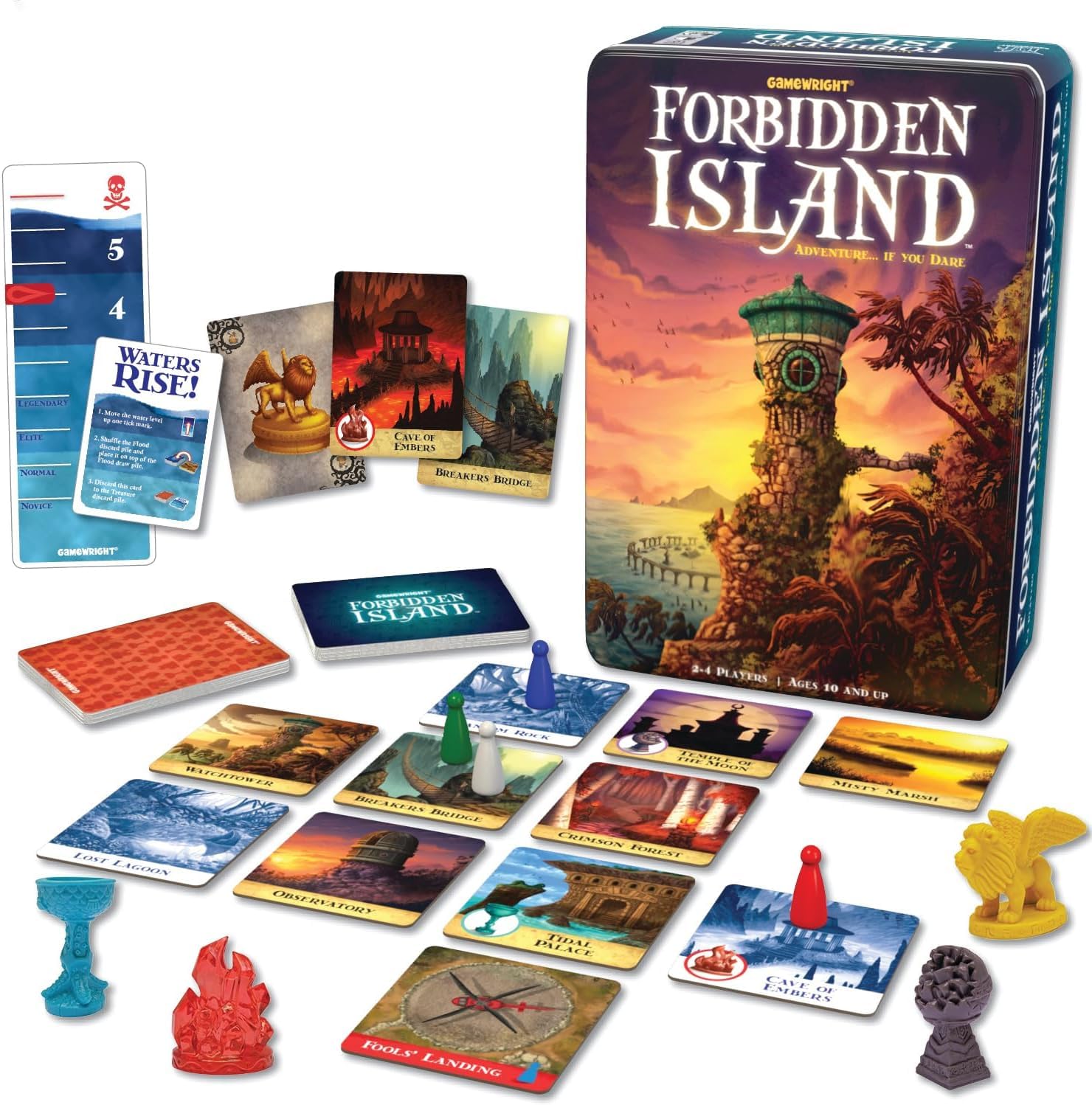
| Forbidden Island | Family game nights with mixed ages | $20.99 |
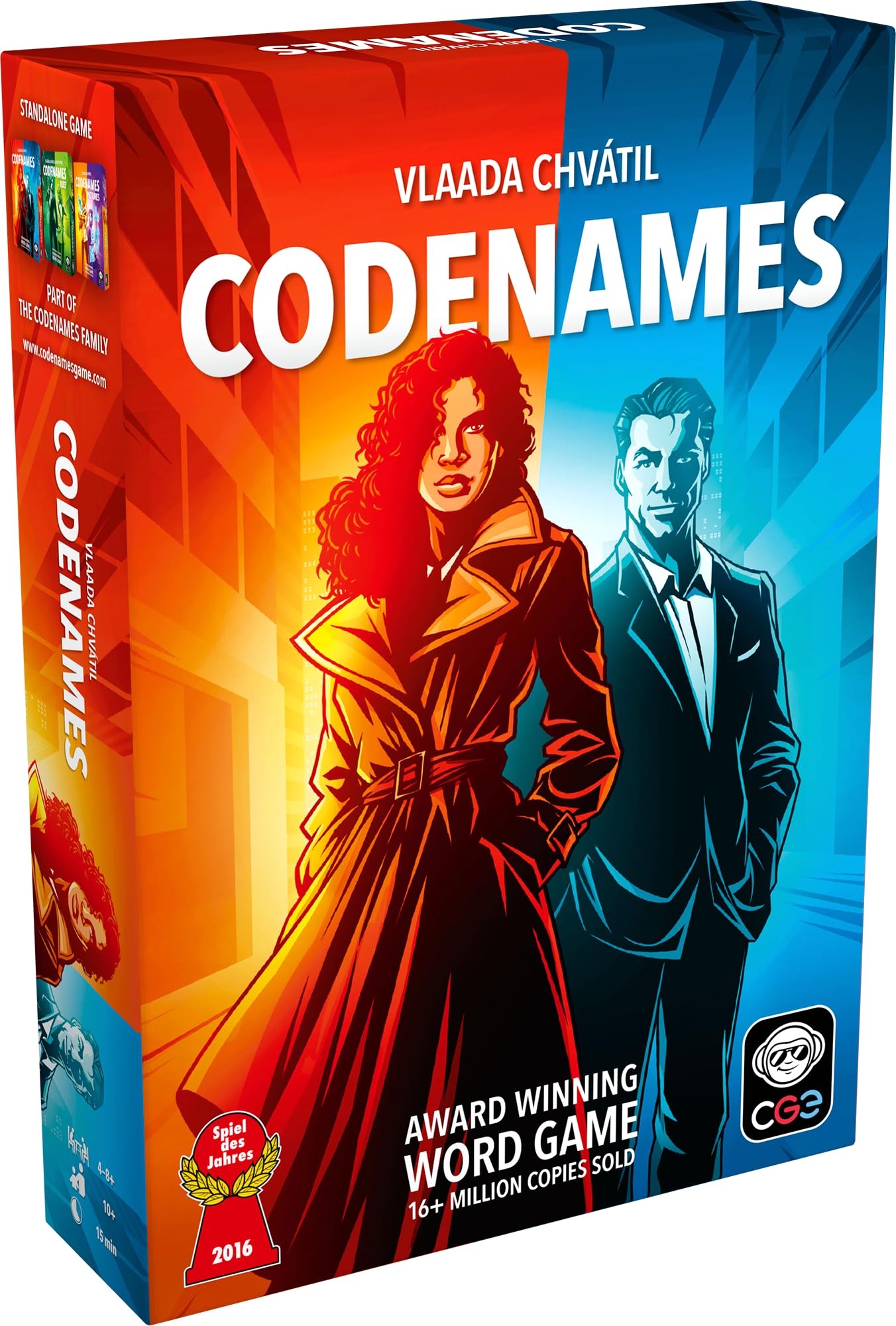
| Codenames | Classroom play and large groups | $19.94 |
| Clank! A Deck-Building Adventure | Kids who love deck-building mechanics | $64.99 |
Detailed Reviews
1. The Crew: Quest for Planet Nine — Quick Cooperative Bliss
This is the game that surprised me the most. The Crew functions as a cooperative trick-taking game where players must work together to complete specific objectives across 50 progressively harder missions. Instead of racing to win tricks, you're trying to accomplish precise goals—like ensuring Player 2 wins exactly three tricks, or making sure the highest card is played in a particular round.
What makes it exceptional for kids is the elegant simplicity wrapped around genuine strategy. The rules fit on one page. The learning curve is gentle—the first 10 missions feel almost too easy, but by mission 20, you're genuinely working your brain. Play time hovers around 15-20 minutes, which is perfect for keeping kids' attention without feeling rushed.
The communication mechanic is also brilliant. You can't directly tell other players which cards you hold, so you're learning to read subtle signals and hints. This teaches observation and inference naturally, without it feeling educational.
The main limitation: this is cooperative, so there's no winner or loser—everyone succeeds or fails together. Some kids thrive on this; others really want that competitive edge. Also, with fewer players (2-3), the game becomes significantly harder, so it's best with 3-4 kids at the table.
Pros:
- Teaches strategy and cooperation without overthinking
- Incredibly replayable—50 different missions means weeks of gameplay
- Quick setup and lightning-fast turns keep momentum going
- Genuinely engaging for both kids and adults
Cons:
- No individual winners, which some competitive kids dislike
- Becomes quite difficult in later missions (this is a pro if you want challenge, a con if you want relaxation)
- Requires some ability to read subtle communication
---
2. The Crew: Mission Deep Sea — The Spiritual Successor
If your kids loved The Crew: Quest for Planet Nine and want more, Mission Deep Sea is the natural upgrade. It uses the same core trick-taking mechanics but introduces new card suits and slightly more intricate objectives. You're essentially exploring deeper into the strategy while maintaining that cooperative spirit.
The gameplay loop remains familiar, so kids who've mastered the first Crew game transition smoothly. However, the difficulty ramps up faster, and some missions introduce tricky card combinations that require real forward-thinking. The visual presentation shifts from a space theme to an underwater adventure, which gives it a fresh feel.
This works best for kids who are around 8+ and who've already played the first Crew game. It's not necessarily better than Quest for Planet Nine—they're just different experiences with the same core appeal. Mission Deep Sea is the one you grab when you want more of what you already loved.
The trade-off: at $18.21, you're buying essentially the same game structure. If you had to choose just one Crew game, Quest for Planet Nine is the smarter investment. But if your kids are hungry for more cooperative card-slinging, this fills that gap perfectly.
Pros:
- Familiar mechanics with fresh challenges
- Beautiful underwater theme and card art
- Slightly more complex without becoming fiddly
- Great for kids who've mastered the first game
Cons:
- Very similar to Quest for Planet Nine—some might feel it's redundant
- Difficulty curve is steeper from the start
- Best as a sequel, not a standalone purchase
---
3. Forbidden Island — The Family Staple
Forbidden Island is a classic for solid reasons. Players work together to recover treasures from a sinking island before it's submerged. The board itself changes each turn as tiles get revealed and removed, creating genuine tension and unpredictability.
This is the best card games for kids option if you have a wide age range at the table. A 6-year-old can grasp the objective (grab treasures, escape the island), while a 12-year-old will appreciate the risk-reward calculations around which treasures to prioritize. The cooperative nature means nobody feels singled out or humiliated by bad luck or poor strategy.
The production quality is excellent. The cardboard tiles have real weight, the card stock is thick, and everything fits beautifully in the box. Games run 20-30 minutes, which is long enough to feel substantial but short enough to play multiple rounds.
The main critique: the strategy, while present, isn't particularly deep. Once you understand the core mechanics, the challenge comes mainly from luck and tile draws. This makes it excellent for casual family play but less engaging for kids who want to really flex their strategic thinking. Some players find the pure cooperation element makes it feel less exciting than games with direct competition.
Pros:
- Works across a huge age range (6-14+)
- Beautiful physical components
- Cooperative gameplay that doesn't feel like anyone is "losing"
- Quick enough for multiple rounds in one sitting
Cons:
- Strategy is relatively straightforward once you understand the mechanics
- Heavily luck-dependent on tile draws
- Can feel anticlimactic if you breeze through easily
---
4. Codenames — The Party Game That Works

Codenames is properly in the "card game" family, and it's one of the few party games where kids actually want to play alongside adults. Two teams take turns trying to identify secret agents based on one-word clues given by their team's spymaster. It sounds simple—because it is—but the strategy runs deep.
The brilliance is in the constraint. You get one clue word and one number per turn. That clue has to connect multiple cards on the board while avoiding the opposing team's agents and the assassin. It teaches lateral thinking, vocabulary, and how to make meaningful connections between concepts. Kids naturally improve at the game through play without any formal instruction.
Codenames scales beautifully. In a 2-player variant, it's tense and tactical. In a large classroom or party setting with 10+ people divided into teams, it's chaotic and hilarious. This flexibility makes it perfect for different contexts.
The limitation: this is a word-association game, so it requires decent vocabulary and reading comprehension. Younger kids (under 7) will struggle. Also, since it's competitive, some kids who struggle with words might feel embarrassed or left behind, especially in larger group settings.
Pros:
- Works equally well with 2 people or 20 people
- Teaches lateral thinking and vocabulary naturally
- Quick games (15-20 minutes) that stay engaging
- Replayable infinitely with different word combinations
Cons:
- Requires decent reading and vocabulary skills
- Can be frustrating for kids who feel they're bad at word games
- Needs at least 4 people to really shine (2 per team minimum)
---
5. Clank! A Deck-Building Adventure — The Strategic Step Up

If your kids have mastered basic card games and want something with more moving parts, Clank! is the bridge to deeper gaming. It's a deck-building game where players take on the role of thieves trying to steal treasure from a dragon-guarded castle. You're constantly upgrading your deck of cards while navigating a board and trying not to make too much noise (clank!) that alerts the dragon.
The deck-building mechanic is the star here. Each turn, you draw cards from your personal deck and use them to move through the castle, acquire better cards, and grab treasure. Between turns, you're buying new cards for your deck, which means next turn you'll have different options. This creates natural progression and gives each player a unique strategy.
The tension comes from the clank mechanic—some of your actions make noise, tracked on a dragon alert meter. When it maxes out, the dragon strikes, potentially destroying your carefully-built plans. This prevents the game from becoming purely mathematical and keeps it exciting through luck and risk-taking.
Clank! is better for kids 10+ who already understand strategic thinking. It's not beginner-friendly. Setup takes time, rules explanation takes 10+ minutes, and the first game can take an hour if players are still learning. The price tag at $64.99 is also higher than the other options here.
Pros:
- Teaches authentic deck-building strategy (relevant to many modern games)
- Beautiful artwork and quality components justify the cost
- Variability through different treasure locations and dragon behavior keeps replays fresh
- Satisfying progression as your deck improves each turn
Cons:
- Steeper learning curve than other games on this list
- Longest play time (45-60 minutes for experienced players, longer for first games)
- Requires more table space and setup
- Expensive relative to other card games for kids
---
How I Chose These
Selecting the best card games for kids meant weighing several factors. I prioritized games where rules could be explained in under 5 minutes—anything longer loses kids immediately. I also looked for games with natural replay value, so you're not buying something that gets played twice and forgotten.
Cooperative vs. competitive was important. I included both because different kids have different preferences. Some absolutely thrive on beating opponents; others feel crushed by loss. The best collection has options for both.
Age-appropriateness mattered too. These games span roughly ages 6-14, but each is best for specific age bands. I tried to diversify so that whether your kids are in early elementary or middle school, there's something here that fits.
Finally, I weighted actual engagement. A game can have perfect mechanics on paper but still be boring. The games listed here are ones I've watched kids request to play again immediately after finishing—the ultimate vote of confidence.
---
Frequently Asked Questions
What's the youngest age that can play these games?
Forbidden Island and The Crew: Quest for Planet Nine work best starting at age 6-7, though some advanced 5-year-olds can manage with help. Codenames requires decent reading and vocabulary, so 8+ is the real starting point. Clank! needs strategic thinking, so 10+ is honest. The Crew: Mission Deep Sea sits right in the middle at 7+.
Can adults actually enjoy these games?
Absolutely. These aren't dumbed-down games that adults tolerate—they're games that happen to be accessible to kids. A game night with adults playing The Crew or Codenames is genuinely fun, not a sacrifice. Clank! is also very much an adult-level game.
How many players do these games support?
The Crew games work best with 3-4 but can handle 2-5. Forbidden Island supports 2-4. Codenames really needs at least 4 (2 per team) and scales up to large groups. Clank! handles 2-4 players. If you're frequently playing with large groups, Codenames is your answer.
Which one should I buy first?
Start with The Crew: Quest for Planet Nine. It's cheap, teaches quickly, plays fast, and works across a wide age range. It's also genuinely good, so you're not compromising on quality for accessibility. Once your kids have mastered it, you can expand based on whether they want more cooperation (Mission Deep Sea, Forbidden Island), party-style play (Codenames), or deeper strategy (Clank!).
---
If you're looking for the best card games for kids, start with The Crew: Quest for Planet Nine and build from there based on what your kids respond to. Each of these games offers something different, and honestly, there's no wrong pick—they're all games worth having in your collection.
Get the best board game picks in your inbox
New reviews, top picks, and honest recommendations. No spam, unsubscribe anytime.
More in Deck Building
The Best Card Games Under $30: Fast Fun Without Breaking the Bank
Finding a genuinely good card game shouldn't mean spending $50 or more. I've tested dozens of options, and the best card games under $30 deliver real...
Best Card Games Under 10: Hidden Gems That Won't Break the Bank
Finding quality card games under $10 feels impossible until you know where to look.
Best Card Game Strategy: Five Games That Actually Make You Think
Finding genuinely strategic card games is harder than it should be. Most fall into two camps: either they're pure luck, or they're so complex you need a...