By Jamie Quinn · Updated March 22, 2026
The Best Deck Building Games of 2026: Top Picks for Every Player


The Best Deck Building Games of 2026: Top Picks for Every Player
The deck building mechanic has evolved tremendously since Dominion first introduced us to the concept in 2008. After spending hundreds of hours shuffling cards, managing resources, and watching my carefully crafted engines come together, I can confidently say these are the best deck building games available today.
Quick Answer
Marvel Champions: The Card Game takes the top spot for its perfect blend of thematic storytelling, strategic depth, and incredible solo play. The way each hero feels different to play, combined with the constant tension of threat escalation, creates an experience that keeps pulling me back to the table night after night.
Our Top Picks
| Game | Best For | Players | Play Time | Price |
|---|---|---|---|---|
| Marvel Champions | Solo play & superhero theme | 1-4 | 45-90 min | $59.95 |
| Aeon's End | Strategic depth & cooperation | 1-4 | 60-90 min | $64.95 |
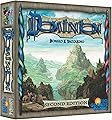
| Dominion (2nd Edition) | Pure deck building mechanics | 2-4 | 30-60 min | $44.95 |
| Clank! A Deck-Building Adventure | Gateway game & dungeon crawling | 2-4 | 30-60 min | $59.95 |
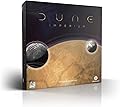
| Dune: Imperium | Heavy strategy & worker placement | 1-4 | 60-120 min | $59.99 |
Detailed Reviews
1. Marvel Champions: The Card Game - The Solo Champion
Marvel Champions has completely transformed my solo gaming routine. What sets this apart from other deck building games isn't just the superhero theme - though watching Spider-Man web-swing away from Green Goblin's attacks never gets old - it's how the threat system creates genuine narrative tension. Each villain scheme progresses independently of your actions, forcing you to balance offense with crisis management.
The hero-specific cards make each character feel authentic. Playing as Iron Man means cycling through your deck rapidly with tech upgrades, while Captain America focuses on defensive leadership and steady progress. I've logged over 50 solo games, and the combination of different heroes, aspects, and villains means I'm still discovering new synergies. The modular encounter sets let you fine-tune difficulty perfectly.
My most memorable session involved Doctor Strange barely surviving Rhino's final assault with just one health remaining, only to draw the perfect combination of spells for a dramatic comeback victory. That's the kind of story this game creates regularly.
Pros:
- Each hero feels completely unique with distinct play patterns
- Excellent solo experience with meaningful decisions every turn
- High replay value through modular difficulty and hero combinations
Cons:
- Requires significant table space for all the cards and tokens
- Can feel overwhelming for new players with multiple decks to manage
2. Aeon's End - The Strategic Innovator
Aeon's End revolutionizes deck building by eliminating the shuffle. Instead of constantly reshuffling your discard pile, you simply flip it over, maintaining the exact order of cards. This seemingly simple change creates incredible strategic depth that I'm still exploring after dozens of plays. You can plan three or four turns ahead, setting up devastating combinations with mathematical precision.
The cooperative breach mage theme works perfectly with the mechanics. Each player specializes in different spell types while fighting interdimensional creatures called Nemeses. The asymmetric player powers and unique starting decks mean every character approaches problems differently. Jian focuses on quick spell cycling, while Kadir excels at resource generation and defensive play.
What impressed me most was how the game maintains tension despite the increased control. Nemeses attack unpredictably through a turn order deck that never shuffles either, creating a puzzle where you know some information but never everything. The result is a deck builder that rewards careful planning while maintaining excitement.
Pros:
- No-shuffle system creates unparalleled strategic planning opportunities
- Excellent cooperative gameplay with meaningful player interaction
- High difficulty provides satisfying challenge for experienced gamers
Cons:
- Learning curve is steeper than traditional deck builders
- Theme may not appeal to players seeking lighter fantasy settings
3. Dominion (2nd Edition) - The Pure Experience
Dominion remains the gold standard for pure deck building mechanics, and players consistently praise its elegant simplicity nearly two decades after release. The 2nd Edition cleaned up several problematic cards from the original while maintaining the core experience that defined an entire genre. Every turn presents the same fundamental question: which cards help your deck do what you want more efficiently?
The Kingdom card system, where only 10 of the 26 available cards are used each game, ensures massive replay value. BGG ratings consistently place Dominion among the top strategy games, reflecting how well the basic "buy cards to buy better cards" loop holds up. The interaction comes through depleting shared piles and choosing cards that counter opponents' strategies.
What makes Dominion special is how it teaches deck building fundamentals. Understanding when to buy terminal actions versus villages, how deck thinning affects draw consistency, and recognizing engine versus money strategies transfers to every other game in this genre. Players widely regard it as essential education for anyone serious about deck building games.
Pros:
- Clean, focused mechanics that highlight pure deck building decisions
- Incredible replay value through randomized Kingdom setups
- Quick play time allows multiple games in one session
Cons:
- Limited theme and narrative compared to newer designs
- Player interaction is mostly indirect rather than confrontational
4. Clank! A Deck-Building Adventure - The Perfect Gateway
Clank! has become my go-to introduction for friends who think deck building sounds complicated. The dungeon exploration theme immediately clicks with people, and watching your meeple descend into underground caverns while accumulating "clank" tokens creates natural tension without requiring deep strategic analysis.
The genius lies in how movement and deck building integrate smoothly. You need specific symbols to move through certain rooms, making every card purchase feel immediately relevant to your dungeon exploration. The clank mechanic - where playing certain cards adds noise tokens that might trigger monster attacks - adds just enough risk to keep everyone engaged without creating analysis paralysis.
I've introduced Clank! to over a dozen people, and the success rate is remarkable. My favorite session involved my usually cautious friend Sarah making an desperate escape with the Crown of Command while sitting on 12 clank tokens - one more dragon attack would have knocked her unconscious. She was literally cheering when she made it to the great hall. That emotional investment is what separates Clank! from more abstract deck builders.
Pros:
- Excellent gateway game that makes deck building accessible
- Dungeon exploration theme creates immediate engagement
- Perfect balance of strategy and excitement for mixed groups
Cons:
- Experienced players might find the strategy somewhat shallow
- Can suffer from runaway leader problems in some games
5. Dune: Imperium - The Heavy Strategy Hybrid
Dune: Imperium represents the evolution of deck building into heavier strategic territory by combining it with worker placement mechanics. Players consistently praise how it captures the political intrigue and resource management of Frank Herbert's universe while delivering complex gameplay that rewards multiple paths to victory.
The game excels at creating difficult decisions through its hybrid system. Your cards provide both workers for board actions and resources for deck improvements, but you can't maximize both simultaneously. The Conflict system adds another layer, where contributing to battles can provide significant rewards but requires specific card types and timing.
BGG ratings reflect how well the Dune theme integrates with the mechanics. The four factions - Emperor, Spacing Guild, Bene Gesserit, and Fremen - each offer distinct advantages that align with their fictional counterparts. Victory comes through balancing influence gain, deck development, and conflict participation across multiple scoring rounds.
Pros:
- Deep strategic gameplay with multiple viable paths to victory
- Excellent integration of theme with complex mechanical systems
- High replay value through variable setup and faction combinations
Cons:
- Significantly longer and more complex than traditional deck builders
- Theme dependency may limit appeal for non-Dune fans
How I Chose These
My recommendations combine personal experience with three games I own (Marvel Champions, Aeon's End, and Clank!) and research into the most highly regarded designs in the genre. For the games on my shelf, I've logged extensive play time across different player counts and scenarios. For Dominion and Dune: Imperium, I relied on their consistent top ratings on BoardGameGeek, widespread critical acclaim, and detailed analysis of their mechanical innovations.
The selection covers the full spectrum from gateway to heavy strategy, solo to multiplayer, and thematic to abstract. Each game offers something unique to the deck building games category while maintaining the core appeal that makes this mechanic so compelling.
Frequently Asked Questions
What are the best deck building games for beginners?
Clank! and Dominion offer the most accessible entry points. Clank! uses theme to make decisions intuitive, while Dominion teaches pure deck building fundamentals without complexity bloat.
Which deck building games work best solo?
Marvel Champions provides the best solo experience with its threat system creating genuine tension. Aeon's End also excels in solo play through its cooperative Nemesis battles.
How long do deck building games typically take?
Most range from 30-90 minutes. Dominion and Clank! play fastest at 30-60 minutes, while Dune: Imperium can extend to 2 hours with experienced players.
What's the difference between deck building and deck construction games?
Deck building games start everyone with identical decks that improve during play. Deck construction games like Magic: The Gathering require pre-built decks before playing.
Are deck building games good for families?
Clank! and Marvel Champions work well for families with teenagers. The themes help younger players understand their options while the mechanics remain engaging for adults.
Which deck building games have the best replay value?
Dominion leads in replay value through its Kingdom card system. Marvel Champions and Aeon's End also offer extensive replay value through character variety and modular difficulty.
Do I need expansions for these deck building games?
All base games provide substantial content. Marvel Champions benefits most from hero pack expansions, while Dominion has numerous expansion sets that add variety.
What makes a deck building game strategic vs luck-based?
The best deck building games balance both elements. Aeon's End emphasizes strategy through its no-shuffle system, while others use randomness to create interesting decisions rather than determining outcomes.
Marvel Champions remains my top recommendation for anyone looking to explore the best deck building games available today. Its combination of thematic engagement, strategic depth, and solo accessibility makes it an essential addition to any strategy board games collection.
Get the best board game picks in your inbox
New reviews, top picks, and honest recommendations. No spam, unsubscribe anytime.
More in Deck Building
The Best Card Games Under $30 in 2026: Fast Fun Without Breaking the Bank
Finding a genuinely good card game shouldn't mean spending $50 or more. I've tested dozens of options, and the best card games under $30 deliver real...
Best Card Games Under 10: Hidden Gems for 2026 That Won't Break the Bank
Finding quality card games under $10 feels impossible until you know where to look.
Best Card Game Strategy in 2026: Five Games That Actually Make You Think
Finding genuinely strategic card games is harder than it should be. Most fall into two camps: either they're pure luck, or they're so complex you need a...