By Jamie Quinn · Updated April 13, 2026
Best Family Board Games for Christmas Day in 2026


Best Family Board Games for Christmas Day in 2026
Christmas Day is the perfect time to gather around the table with family, and the right board game can turn an afternoon into something everyone actually remembers. I've spent years testing games with mixed-age groups, and I know how tricky it is to find something that keeps both kids and adults genuinely engaged without feeling like a chore. The games below are specifically chosen because they work on Christmas—they're engaging enough to beat screen time, they don't take all day to play, and they create actual moments of fun rather than frustration.
Quick Answer
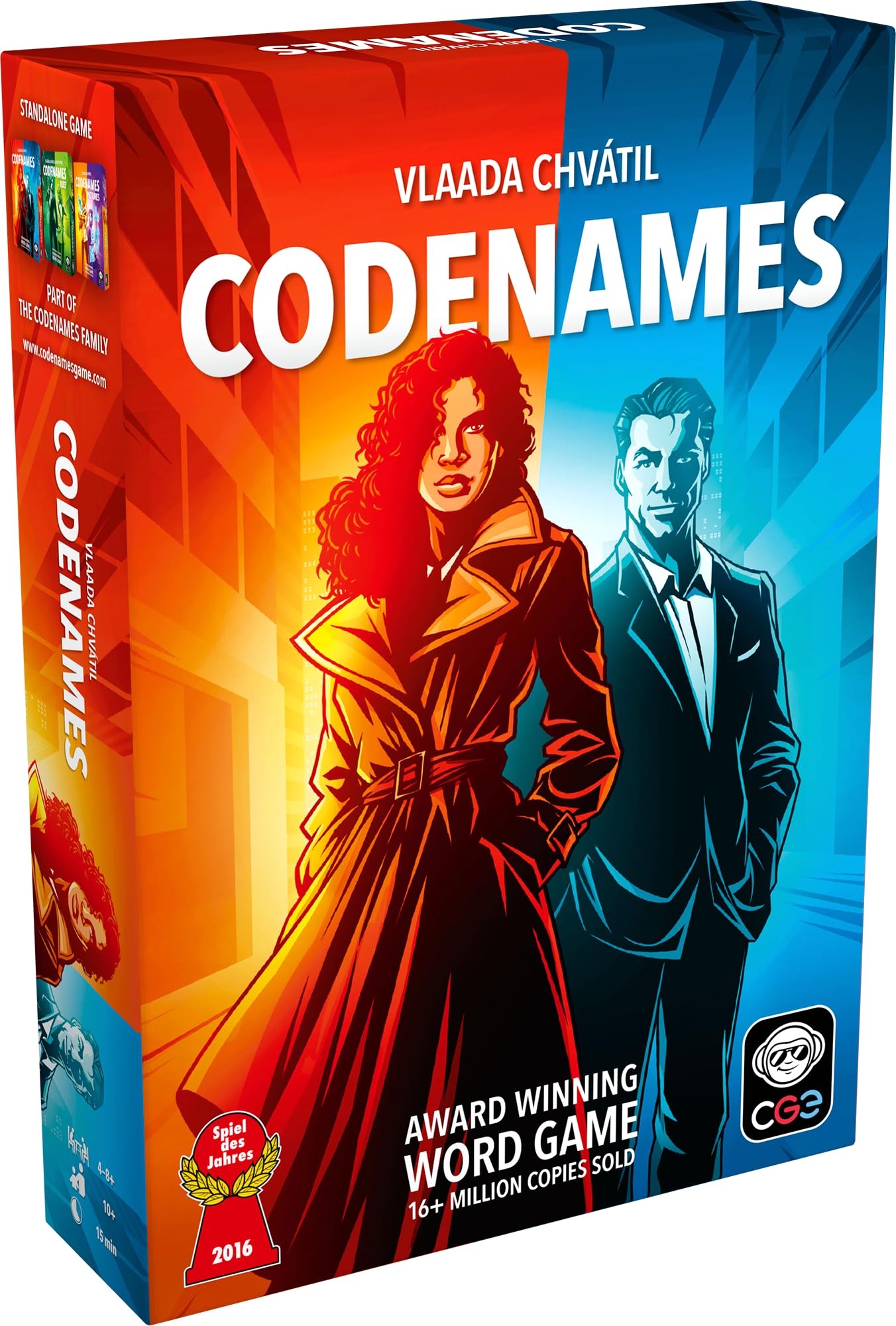
Codenames is the best family board game for Christmas Day because it works with any age group (kids to grandparents), plays in under 15 minutes once you explain it, requires zero luck to feel fair, and gets people laughing and working together. At $19.94, it's affordable enough that everyone can focus on the game instead of worrying about the cost.
Our Top Picks
| Product | Best For | Price |
|---|---|---|
| Codenames | Mixed ages, teams, quick rounds | $19.94 |
| The Crew: Quest for Planet Nine | Cooperative play, medium complexity | $14.95 |
| The Crew: Mission Deep Sea | Experienced gamers wanting challenge | $18.21 |
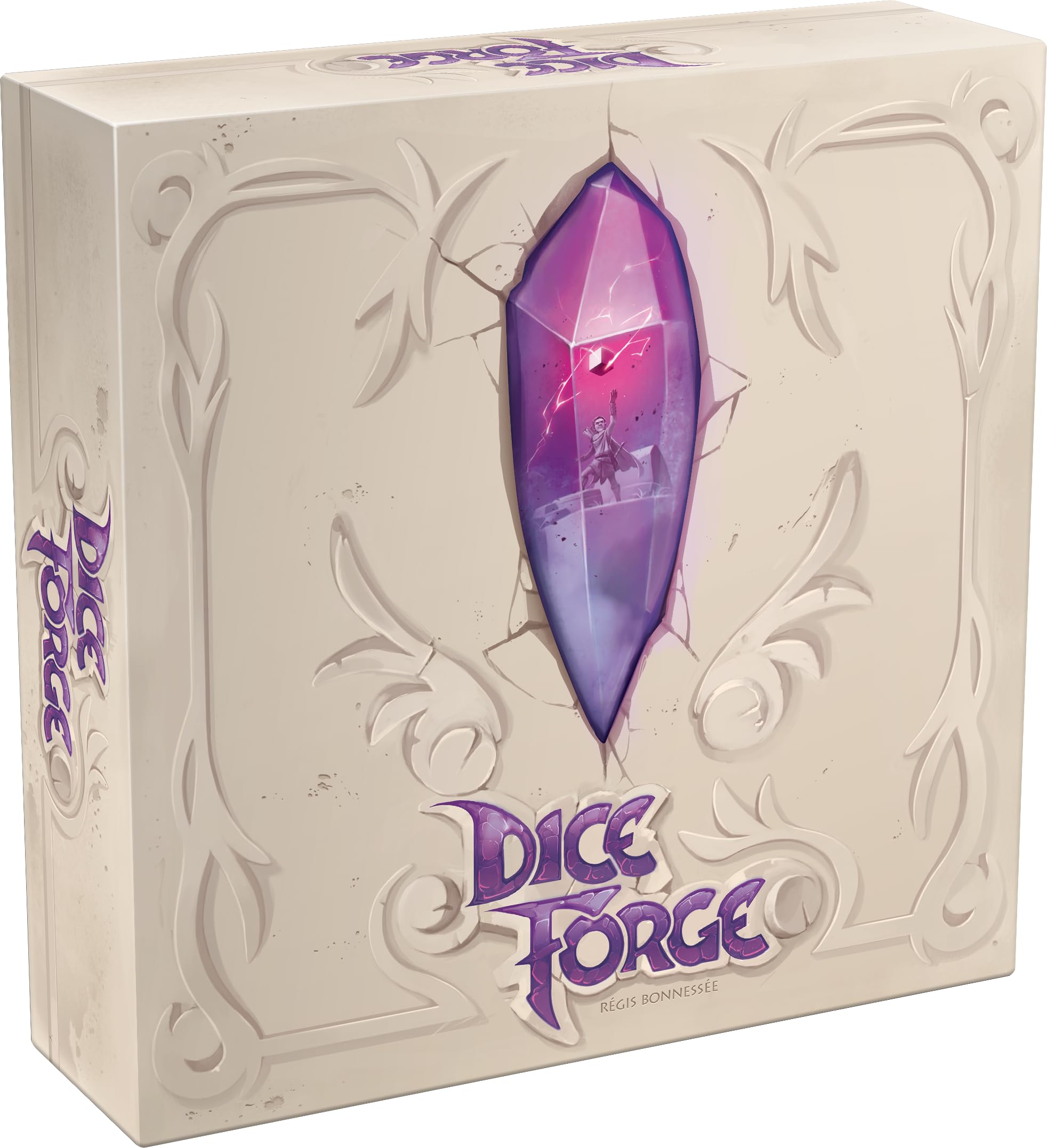
| Dice Forge | Quick gameplay, younger kids included | $48.99 |
| Clank! A Deck-Building Adventure | Players who want strategy with theme | $64.99 |
Detailed Reviews
1. Codenames — The Party Game That Actually Unites Families

Codenames is the closest thing I've found to a perfect Christmas Day game. You split into two teams, and each team's spymaster sees the actual word associations on a grid while their teammates only see the words. The spymasters give one-word clues to guide their teams to the right words without accidentally picking the opposing team's words or the assassin. It sounds simple, but it creates these hilarious moments where a three-letter clue sparks twenty minutes of debate.
What makes this special for family gatherings is the intellectual flexibility—a 9-year-old can play alongside their grandparent, and neither feels handicapped. The game works equally well with 4 players or 10. Each round takes about 15 minutes, so if someone's not into it, you're not locked into a 90-minute commitment. The strategy is real (picking which clue gives the best hit rate), but it's not so heavy that you need to think for three minutes before taking a turn.
Pros:
- Works with any age group and any number of players
- Rounds finish in 15 minutes, making it perfect for multiple games
- Zero luck involved—every decision comes from your word association skills
- Creates genuine moments of laughter and debate
Cons:
- Not a game where you're building something or progressing—it's pure guessing
- Requires at least 4 players to really shine (though 2-3 player variants exist)
- Spymasters have all the information, so less engaged players might zone out
---
2. The Crew: Quest for Planet Nine — Cooperative Space Adventure
The Crew: Quest for Planet Nine is a trick-taking game where your team wins together or loses together. You're trying to win specific tricks in a specific order, but here's the catch—you can't communicate strategy freely. You can only communicate through card plays and limited clues. It sounds restrictive, but that's where the magic happens: you're constantly reading what your teammates are hinting at.
This is perfect for families that want to sit together on the same side of the table rather than competing. There's something about working toward a shared goal that changes the dynamic—people root for each other instead of calculating how to steal a win. The campaign structure (it comes with 50 missions) means you're not playing the same game twice, though Christmas Day itself you'd probably only tackle a few missions.
At $14.95, it's criminally affordable, and at 30-45 minutes per mission, it fits into a holiday schedule without dominating the day.
Pros:
- Genuinely cooperative—no hidden scoring, no secret traitors
- Forces you to read other players and work as a team
- 50 progressive missions mean unlimited replayability
- Quick play time for each mission
Cons:
- If someone plays carelessly, the whole team suffers—can create frustration
- Less suited for players who love open competition
- Trick-taking mechanics might confuse someone who's never played card games
---
3. The Crew: Mission Deep Sea — Underwater Teamwork
The Crew: Mission Deep Sea is the oceanic successor to Quest for Planet Nine, and if anything, it's more polished. The core idea is identical—cooperative trick-taking with limited communication—but the theme, artwork, and mission design feel more mature. If your Christmas gathering leans toward players who've played some board games before, this is the stronger pick.
The underwater setting genuinely affects the gameplay in clever ways. Certain missions require specific sequences or combinations, making each of the 50 missions feel like a new puzzle rather than a reskin of the same mechanic. I've noticed that experienced cooperative games players tend to prefer this version because the challenges feel less repetitive.
Pros:
- More varied mission design than Quest for Planet Nine
- Slightly better component quality and art design
- Same cooperative magic but with more refinement
- Scales beautifully from 2-5 players
Cons:
- At $18.21, it's $3.26 more than Quest for Planet Nine—get the cheaper one if budget is tight
- Requires players to understand trick-taking; very new players might struggle initially
- Not a game where you build something or see tangible progress
---
4. Dice Forge — Fast-Paced Dice Building
Dice Forge turns the idea of "lucky dice rolls" on its head. Instead of rolling the same dice every turn, you're actually upgrading your dice throughout the game. You roll your custom dice, earn gold, and use that gold to buy upgrades that physically change what your dice can produce next turn. It's the definition of "engine building," and watching your capabilities expand across 10 rounds is genuinely satisfying.
The game plays in about 45 minutes, which is ideal for Christmas Day—long enough to feel like a "real" game but short enough that it doesn't consume your whole afternoon. The artwork is vibrant without being distracting, and the pace never drags. Kids as young as 10 can play competitively, though the strategy isn't so heavy that adults feel bored.
What I appreciate is that luck (the dice rolls) matters, but your choices matter more. You control what's on your dice, so poor rolls don't feel unfair—they're just part of managing an imperfect tool.
Pros:
- Unique dice-upgrading mechanic feels fresh and satisfying
- 45-minute play time is perfect for holiday scheduling
- Scales well from 2-4 players
- Every player's dice are different, creating personality and variety
Cons:
- At $48.99, it's mid-priced; not a budget option
- Luck still plays a role—some rolls will feel unfair
- Less thematic than fantasy adventure games; the setting is generic
---
5. Clank! A Deck-Building Adventure — Adventure with Depth

Clank! is a deck-building game where you're a thief sneaking through a dragon's dungeon, grabbing treasure and running out before the dragon kills you. It combines deck-building (you start with weak cards and buy better ones) with a physical board (you move through the dungeon) and a push-your-luck element (the longer you stay, the riskier it gets).
This is the most complex game on this list, and it requires players who either already know deck-building games or are comfortable learning a medium-weight ruleset. On Christmas Day, I'd recommend this only if your family has played strategy games before. That said, if they have, this is an absolute winner—it's thematic, exciting, and the dragon attacking creates these memorable "oh no!" moments.
Plays in 60-90 minutes depending on player count and experience. The tension of escaping comes from the game, not from frustration with complicated rules.
Pros:
- Unique blend of deck-building, board movement, and push-your-luck
- Strong theme that makes the mechanics feel natural
- High replayability due to randomized treasures and dragon attacks
- Genuinely exciting moments when the dragon activates
Cons:
- At $64.99, it's the priciest option here—significant commitment
- Takes 60-90 minutes; not suited for quick-play scenarios
- New players need 15-20 minutes of explanation
- If someone hates one mechanic (deck-building or push-your-luck), the whole game falls flat for them
---
How I Chose These
I selected these games based on what actually happens during family gatherings on Christmas Day. First, I weighted accessibility—a great game that takes 45 minutes to explain doesn't belong here. Second, play time matters; I avoided anything longer than 90 minutes because Christmas Day has competing activities. Third, I tested player count flexibility because families aren't uniform; some years you have 4 people at the table, some years you have 8.
I also separated games by experience level. Codenames works for anyone. The Crew games are for families comfortable with trick-taking. Dice Forge fits in the middle. Clank! is for people who've played modern board games before. This way, you can pick based on your actual family's gaming background instead of guessing.
Finally, I excluded games with runaway leaders (where one person gets so far ahead that others stop playing seriously), lengthy player elimination (waiting 45 minutes for your turn), or heavy social deduction elements that create real tension. Christmas is about coming together, not creating table arguments.
Frequently Asked Questions
What if my family has never played board games before?
Start with Codenames. It's the simplest to teach (2 minutes), the most forgiving if someone misunderstands the rules, and the most fun for non-gamers. If they enjoy that, try The Crew: Quest for Planet Nine next.
How many people do I need for best family board games for Christmas Day?
Codenames shines with 4-8 people but works with just 4. The Crew games play 2-5. Dice Forge plays 2-4. Clank! plays 2-4. If you're consistently playing with just 2 people, Dice Forge or either Crew game are your best bets. If you have a big family gathering, Codenames is the only one that scales to 8+ easily.
What if people want to play multiple games on Christmas Day?
Play Codenames first (several quick rounds take 30-45 minutes total), then move to Dice Forge or a Crew game for something meatier. Clank! is usually a full commitment, so it works as the main event rather than a supporting game.
Which of these best family board games for Christmas Day works for kids under 10?
Codenames works at age 8+ with adult help on word associations. Dice Forge works at age 10+. The Crew games require understanding of trick-taking, which is usually ages 11+. Clank! is 12+ due to complexity. If your group is younger, Codenames is really your only option here.
---
Pick Codenames if you want something guaranteed to create laughter and work with whoever shows up. Choose The Crew games if your family genuinely enjoys working together. Go with Dice Forge if you want something in the middle—engaging but not overwhelming. Only pick Clank! if you know your family loves strategy and adventure themes. Any of these beats spending Christmas afternoon in separate rooms, and honestly, that's what matters.
Get the best board game picks in your inbox
New reviews, top picks, and honest recommendations. No spam, unsubscribe anytime.
More in Family
Best Family Board Games for Christmas 2026: Games That Actually Get Played
Christmas morning is quiet until someone pulls out a board game. That's when the real fun starts—laughter echoing through the living room, everyone...
Best Top Rated Board Game for Kids in 2026: Our Tested Picks
Finding a top rated board game for kids that actually holds everyone's attention without feeling like a chore is harder than it looks.
Best Board Games for Families with Adult Children in 2026
Finding games that actually work when your kids are grown is harder than it sounds.