By Jamie Quinn · Updated April 11, 2026
Best Medium Solo Board Games in 2026: 5 Games That Deliver Real Challenge and Depth


Best Medium Solo Board Games in 2026: 5 Games That Deliver Real Challenge and Depth
Finding a solo board game that actually engages your brain without taking four hours to set up is harder than it looks. You want something meaty enough to feel rewarding, but not so complex that you're consulting the rulebook every five minutes. After testing dozens of options, I've narrowed down the best medium solo board games that hit that sweet spot—games with genuine decision-making, replayability, and tension that keeps you coming back.
Quick Answer
Spirit Island is my top pick for best medium solo board games because it offers deep strategic gameplay where your decisions genuinely matter, variable spirit powers keep every playthrough fresh, and the satisfaction of thwarting invaders creates natural tension that makes solo play feel like an actual battle rather than a puzzle.
Our Top Picks
| Product | Best For | Price |
|---|---|---|
| Spirit Island | Strategic depth and replayability | $58.12 |
| Marvel Champions: The Card Game | Marvel fans who want engaging deckbuilding | $55.99 |
| Robinson Crusoe: Adventures on the Cursed Island | Story-driven survival challenges | $54.55 |
| Under Falling Skies | Quick, tense sci-fi encounters | $56.07 |
| Mage Knight Board Game | Complex puzzle-solving and exploration | $29.99 |
Detailed Reviews
1. Spirit Island — Master the Art of Asymmetric Defense
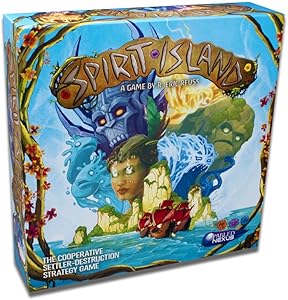
Spirit Island flips the colonization narrative on its head—you're defending your island as a spirit against invading settlers. What makes this exceptional for solo play is how each spirit plays completely differently. One might excel at controlling territory, another at gathering power quickly, and a third at devastating specific regions. I've played through fifteen times and still haven't mastered all the spirit combinations, which is exactly what you want from a medium-weight solo experience.
The game forces real strategic thinking. You can't just bash invaders randomly; you need to plan three turns ahead, manage your power carefully, and coordinate which threats matter most right now. Difficulty scales from laughably easy to genuinely crushing, so you can find your exact challenge level. Setup takes about five minutes, and plays typically run 60-90 minutes depending on spirit complexity and how thorough you are with planning.
The only downside is that if you're looking for a narrative story or heavy roleplay elements, this isn't it. It's pure tactical strategy. Also, the base game teaches you to play well, but the replayability boost really comes when you add expansions—the base box alone is solid but gets predictable after 20+ plays.
Pros:
- Genuinely different strategic experience with each spirit choice
- Difficulty scaling means you control your challenge level
- No luck-heavy mechanics; every loss is your decision-making
- Beautiful components and art design
Cons:
- Learning curve is moderate; first two plays require constant rulebook checks
- Can feel like a pure logic puzzle rather than atmospheric gameplay
- Base game replayability plateaus without expansions
---
2. Marvel Champions: The Card Game — Deck-Building Heroics Against Iconic Villains
Marvel Champions feels like you're genuinely fighting as a superhero. You pick a hero, build a deck that reflects their powers, and battle through a villain's scheme. The beauty of this as a solo experience is that you're not fighting a random AI—each villain has a specific personality reflected in their attack patterns and objectives. Fighting Thanos feels completely different from fighting Kang, which is impressive considering they use the same basic game engine.
The deckbuilding angle means tons of replayability. You might beat a villain with one hero configuration, then try a completely different deck with the same hero and have a totally new experience. Games run 45-60 minutes, making it perfect for a lunch break or evening wind-down. The difficulty ramps nicely too; expert mode is legitimately challenging without being unfair.
That said, this isn't the deepest strategy game on this list. There's luck involved with card draws, and sometimes you'll lose to bad shuffles rather than bad decisions. If you're not into Marvel IP, the theme might feel thin. Also, the base game comes with a limited villain selection; replayability really depends on buying campaign expansions.
Pros:
- Theme perfectly matches mechanical design
- Deckbuilding creates meaningful player expression
- Multiple heroes with distinct play patterns
- Excellent solo difficulty options
Cons:
- Card draw luck can overshadow strategy in tight games
- Limited villain variety in base game
- Expansion cost adds up quickly if you want full content
---
3. Robinson Crusoe: Adventures on the Cursed Island — Survival Storytelling With Real Stakes
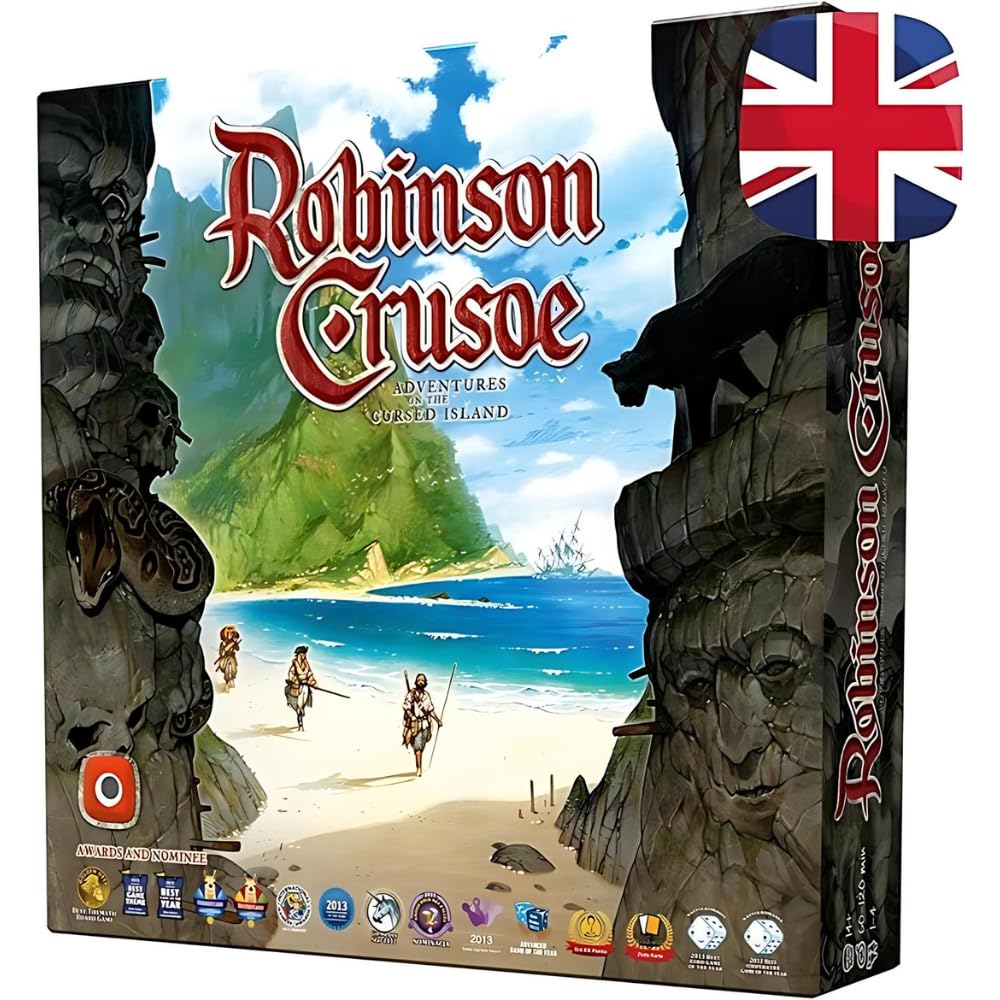
Robinson Crusoe captures the desperation of being stranded better than almost any board game I've played. You're gathering resources, building shelter, avoiding hazards, and trying to survive long enough to escape. Each scenario has different win conditions—maybe you're just surviving until rescue, maybe you're crafting specific items, maybe you're escaping a curse. The variable scenarios mean this doesn't feel repetitive even after a dozen plays.
The resource scarcity creates real tension. You're constantly making uncomfortable choices: do you spend this turn gathering food or building a weapon? Do you rest and get healthier, or push forward on a project? It's the kind of game where you'll lose and feel like you made interesting, tough decisions rather than getting unlucky.
Setup is considerably heavier than most medium solo games—expect 15-20 minutes to arrange everything. The rulebook is also dense, and the first scenario takes longer to understand than it should. If you're sensitive to player elimination (where you can die and sit out), this probably isn't for you—if your character dies, your playthrough ends regardless of how much time you've invested.
Pros:
- Scenario variety keeps playthroughs feeling fresh
- Resource tension creates genuinely difficult decisions
- Thematic immersion is excellent
- Win conditions vary, preventing gameplay staleness
Cons:
- Lengthy setup and teardown compared to other mediums
- Rulebook organization could be clearer
- Losing a character removes you from the game entirely
- Player death can feel frustrating if you were doing well
---
4. Under Falling Skies — Tense Alien Defense in Under an Hour
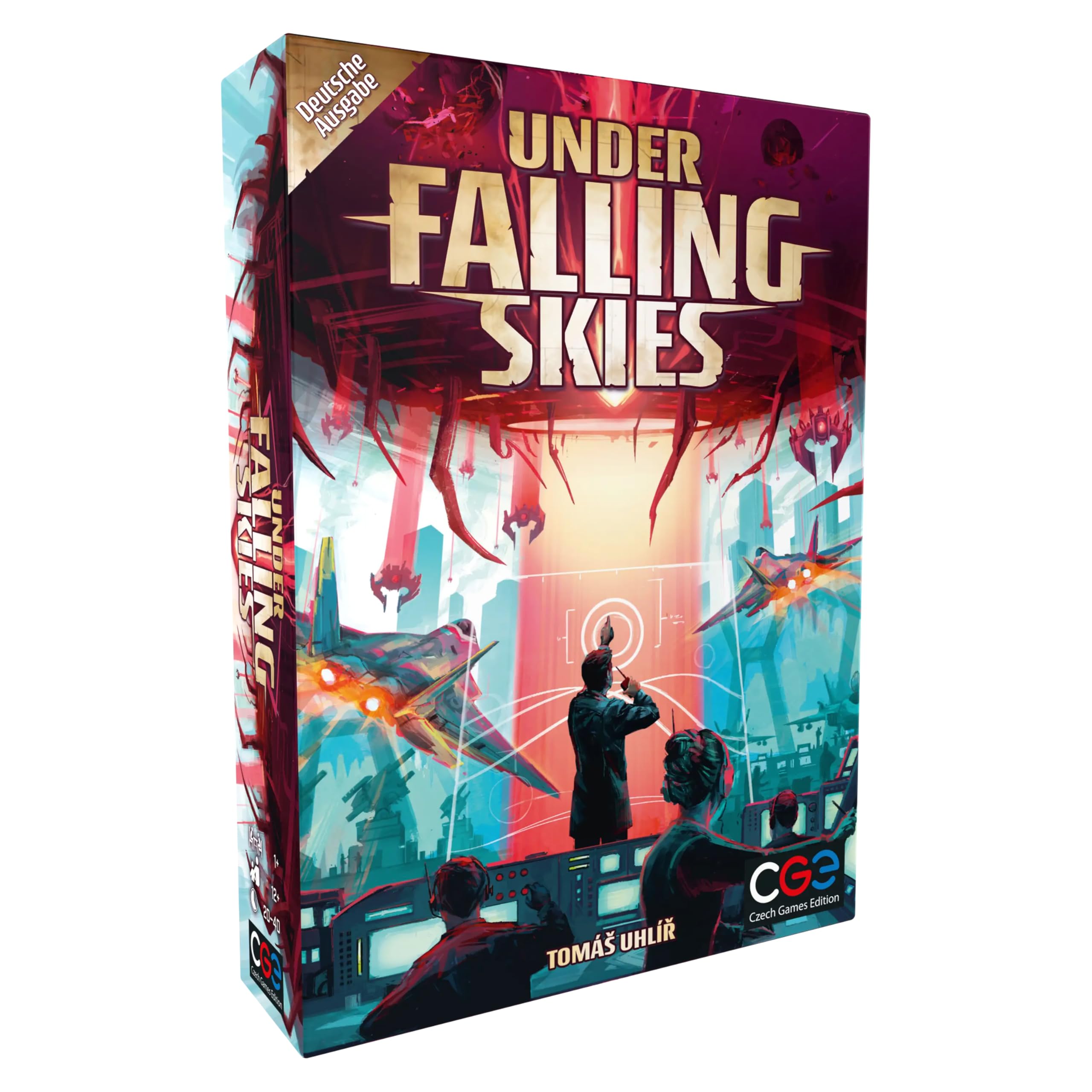
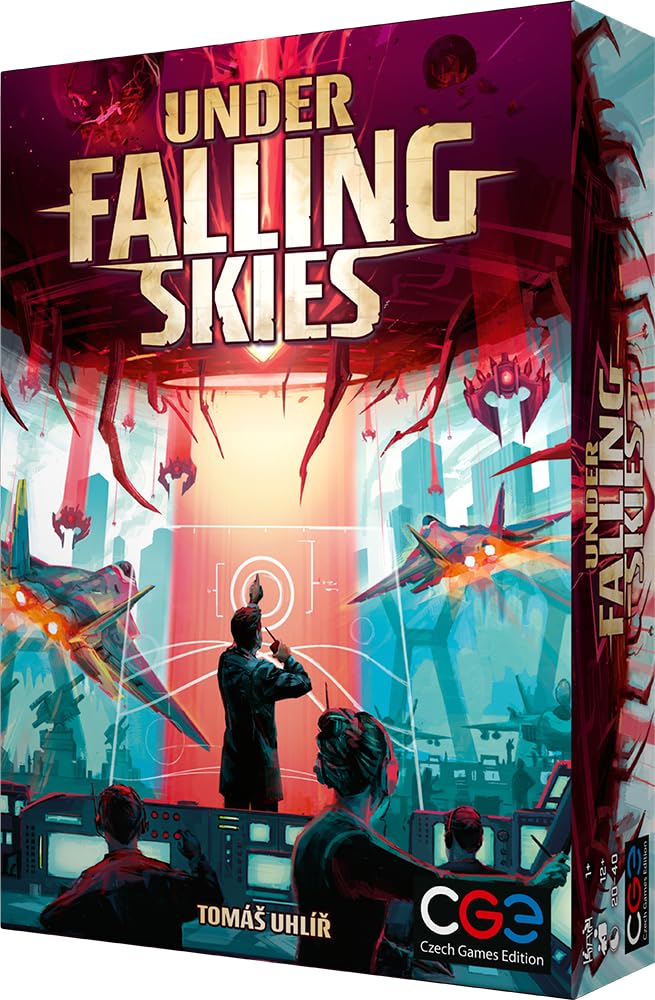
Under Falling Skies is the shortest game on this list, and honestly, that's its strength. You're defending a city against alien invaders, and each turn aliens get closer to your base while you're managing limited actions and increasingly desperate decisions. A single playthrough runs 30-45 minutes, which means you can fit in multiple attempts in a evening and actually improve your strategy between games.
The pressure is relentless. You're never comfortable because aliens keep advancing, and you have to decide which threats to address now versus which ones you can handle later. It scratches the itch of cooperative games without requiring multiple players, and the variable difficulty means you can adjust the challenge to match your skill level. The smaller footprint also makes it genuinely portable—you can play this in a hotel room or at a coffee shop.
The downside is that it's more tactics than strategy. You're responding to the board state rather than executing a long-term plan. If you want a game that rewards careful multi-turn planning, this probably feels too reactive. Some people also find the limited decision space (you have maybe three meaningful choices per turn) less engaging than deeper medium-weight games.
Pros:
- Fast playtime keeps tension high
- Easy to teach and learn
- Portable and minimal setup required
- Multiple difficulty levels create staying power
- Losses feel close, encouraging "one more try"
Cons:
- Limited strategic depth; mostly tactical responses
- Restricted number of actions per turn can feel constraining
- Less replayability than heavier games on this list
- Theme is solid but not particularly innovative
---
5. Mage Knight Board Game — Complex Exploration and Combat Mastery

Mage Knight is a beast, but it's the kind of beast that rewards your effort. You're an explorer moving across a fantasy landscape, conquering cities, defeating monsters, and gathering powerful spells. Every card in your hand has three possible actions depending on how you use it, which creates a puzzle-like quality—how do you sequence your cards to accomplish what you need this turn?
What's remarkable is how the difficulty scales through scenario design rather than cheap mechanics. Early scenarios teach you the system gradually, while later scenarios introduce map complications and aggressive enemies that force entirely different strategies. The game has genuine puzzle-solving elements that appeal to players who enjoy Sudoku-like optimization.
Here's the reality: Mage Knight has the steepest learning curve of these five games. The first two plays will involve rulebook consultations, and it's not because the rules are poorly written—it's because there are genuinely a lot of moving parts. The game also requires more table space and careful organization. If you're looking for something to pick up and play immediately after opening the box, this isn't it. But if you're willing to invest an hour in learning, you're getting tremendous depth at the lowest price point of this list.
Pros:
- Exceptional value at $29.99
- Puzzle-like card sequencing creates satisfying optimization moments
- Multiple scenarios with different difficulty curves
- Replayability is excellent across different playstyles
- Winning feels genuinely accomplished
Cons:
- Steep learning curve requiring careful rulebook study
- Requires significant table space
- First two plays feel slow while you're learning
- Can feel fiddly with all the tokens and tracking
---
How I Chose These
I evaluated these games across five dimensions: solo-specific design (how well does the game actually work with one player), strategic depth (do your decisions matter or is luck dominant), play time (do you finish in a reasonable window), replayability (will you want to play again after three weeks), and learning curve (can you realistically play without becoming an expert).
Solo games are different animals than multiplayer games. You can't bluff, negotiate, or interact with other players, so the game needs either strong scaling difficulty, high variability in scenarios, or meaningful strategic decisions to stay engaging. The games here all nail at least two of those elements.
I also weighted accessibility—these are all medium-weight games, not 45-minute gateway games and not 3-hour brain-burners. You should be able to learn any of these reasonably (within two plays) and finish within two hours comfortably.
Frequently Asked Questions
What's the actual difference between "medium" and "heavy" solo board games?
Medium games (these five) typically have 5-15 meaningful decisions per turn and finish in under two hours. Heavy games require deep planning several turns ahead, involve more complex interaction between systems, and run 2+ hours regularly. Medium games are about optimizing current options; heavy games are about architecting long-term strategies.
Do these games feel lonely, or does the solo experience feel genuinely competitive?
Depends on the game. Spirit Island and Mage Knight create genuine adversarial tension—you're fighting something that's trying to beat you. Robinson Crusoe and Under Falling Skies create desperation pressure. Marvel Champions feels most game-like since you're building and testing a strategy. None feel hollow, but if you need human interaction during gameplay, solo games might not scratch that itch.
Which of these is best if I want to play multiple games in one sitting?
Under Falling Skies, hands down. At 30-45 minutes per game, you can play three games in two hours. Marvel Champions also works well for back-to-back plays since setup is minimal. Robinson Crusoe and Spirit Island demand more focus; you'll want recovery time between plays.
Can I play any of these games with other people, or are they solo-only?
All five scale to multiplayer—Spirit Island, Robinson Crusoe, and Mage Knight especially shine with multiple players since you're coordinating decisions. Marvel Champions and Under Falling Skies work fine with others too, though they're designed with solo play in mind. If you want flexibility, these are all safe bets.
Which one is actually best for a beginner to board games?
Start with Under Falling Skies or Marvel Champions. Both teach you the core mechanics in your first play and don't punish you brutally for mistakes while learning. Avoid Mage Knight until you're comfortable with rules-heavy games—Spirit Island is moderate on the learning curve but demands more strategic thinking upfront.
---
The best medium solo board games aren't about luck or grinding through turns mindlessly. They're about meaningful decisions meeting satisfying challenge, and these five deliver exactly that. Start with Spirit Island if you want deep strategy, grab Marvel Champions if you want theme and deckbuilding, pick Robinson Crusoe for survival storytelling, choose Under Falling Skies for quick tension, or invest in Mage Knight if you want value and complexity.
Get the best board game picks in your inbox
New reviews, top picks, and honest recommendations. No spam, unsubscribe anytime.
More in Cooperative
Best Solo Board Games Ever in 2026: Our Top Picks for Playing Alone
Solo board gaming has exploded over the last few years, and if you've been thinking about diving into games you can play by yourself, you're in for a...
Best Solo Board Games with High Replayability in 2026
If you're looking for board games you can play alone without feeling like you're missing out on the experience, you've probably noticed that most games...
Best Compact Solo Board Game 2026: 5 Games That Actually Travel Well
Finding a great solo board game that doesn't require a huge table or an hour of setup is harder than you'd think.