By Jamie Quinn · Updated April 12, 2026
The Best Multiplayer Family Board Games for 2026: Games Everyone Will Actually Want to Play


The Best Multiplayer Family Board Games for 2026: Games Everyone Will Actually Want to Play
Finding board games that work for the whole family is harder than it looks. You need something engaging enough that adults don't zone out, simple enough that kids can learn the rules without a PhD, and fun enough that people actually want to play it again. After testing dozens of games with mixed-age groups, I've narrowed down the best multiplayer family board games that deliver on all three fronts.
Quick Answer
The Crew: Quest for Planet Nine is my top pick for families seeking the best multiplayer family board games that don't require a huge time commitment. It's affordable, teaches in two minutes, plays in 15-20 minutes, and creates those genuinely fun moments where everyone's working together instead of arguing about rules.
Our Top Picks
| Product | Best For | Price |
|---|---|---|
| The Crew: Quest for Planet Nine | Quick family sessions and co-op fun | $14.95 |
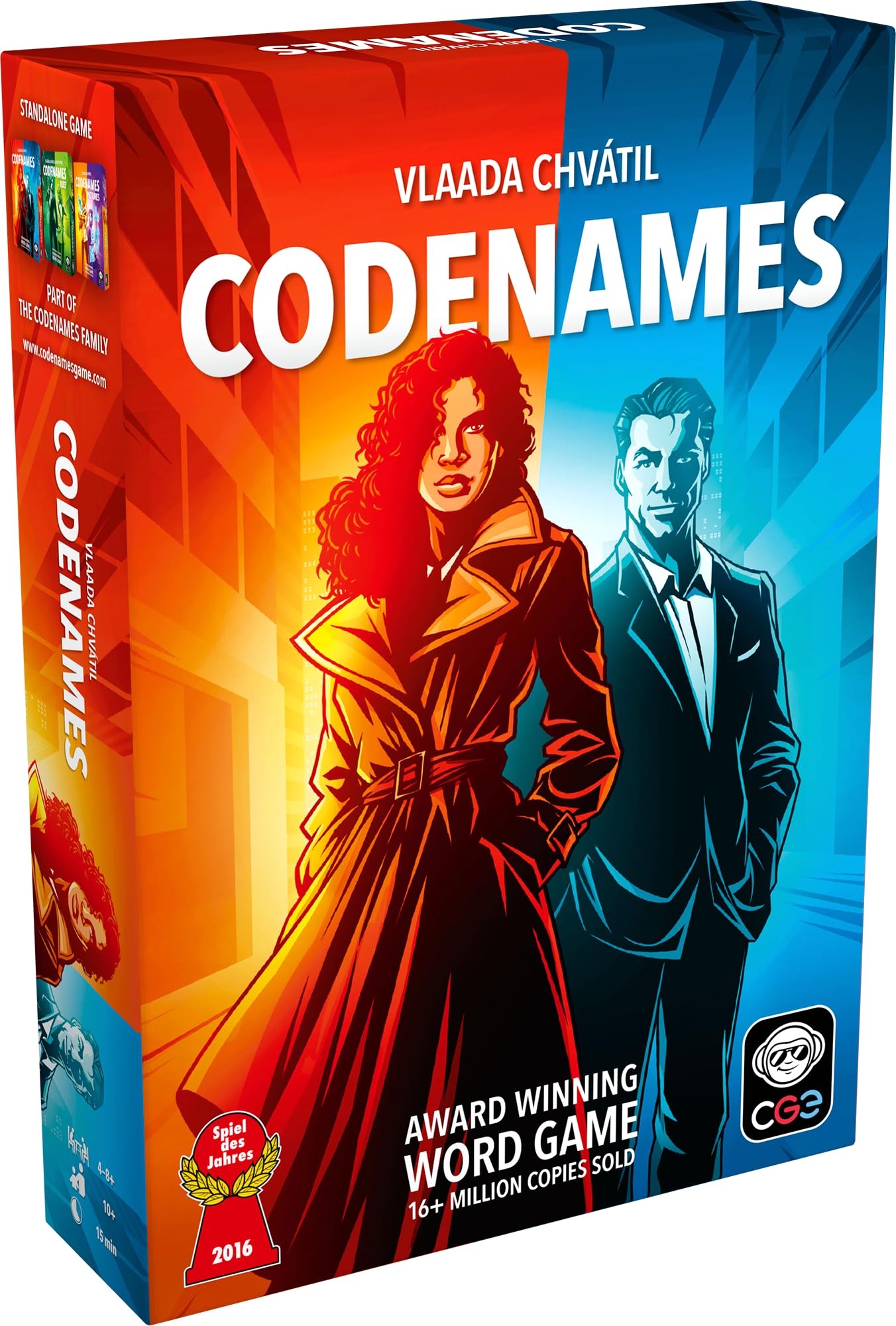
| Codenames | Large groups and competitive team play | $19.94 |
| The Crew: Mission Deep Sea | Families wanting deeper co-op gameplay | $18.21 |
| Clank! A Deck-Building Adventure | Families who enjoy adventure themes and strategic depth | $64.99 |
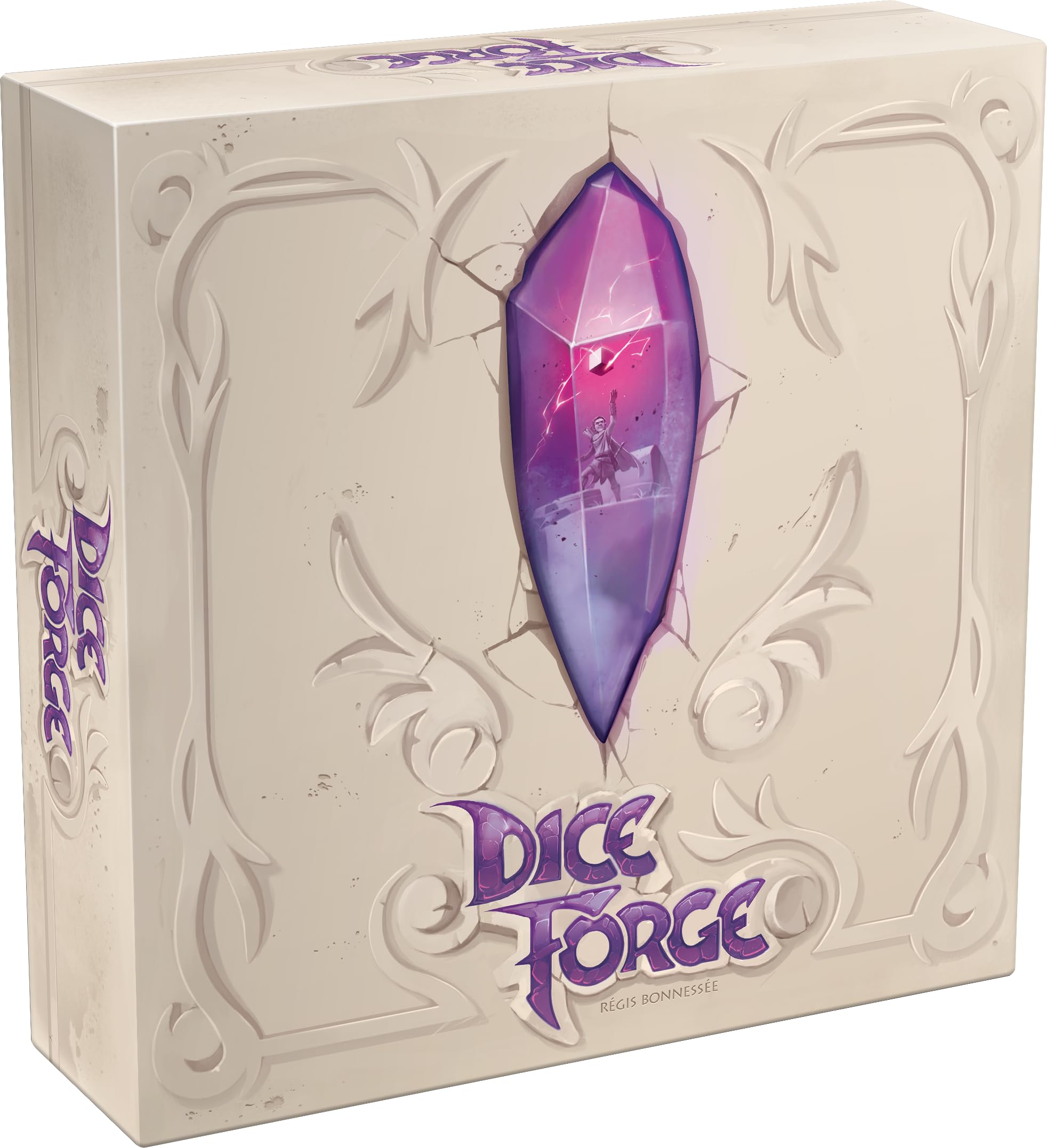
| Dice Forge | Families wanting a gorgeous, dice-customization experience | $48.99 |
Detailed Reviews
1. The Crew: Quest for Planet Nine — The Fastest Route to Fun
If you're looking for the best multiplayer family board games to play on a Tuesday night without overthinking things, this is it. The Crew: Quest for Planet Nine takes a trick-taking card game—something your grandma might recognize—and wraps it in a cooperative space adventure. You're not playing against each other; you're all working together to complete increasingly tricky missions.
The actual gameplay is incredibly simple: play cards to win tricks according to specific mission objectives. But here's what makes it special—you can't show your cards or discuss strategy directly. You have to communicate through coded clues and context, which sounds like it would be frustrating but instead creates genuine moments of "oh, I get it!" brilliance. A 7-year-old can play alongside a 50-year-old, and both will feel challenged.
The missions escalate beautifully. You start with straightforward goals like "win tricks with these colors" and progress to mind-bending scenarios that require careful planning and trust in your teammates. I've watched families play through this in 20 minutes and immediately flip it back to do it again. It's that kind of game.
The only real limitation is player count. It tops out at 4 players, so if you have a larger family gathering, you'll need additional game boxes or switch to something else for that round.
Pros:
- Teaches in literally two minutes
- Creates genuine teamwork and celebration moments
- Plays in 15-25 minutes, perfect for family time
- Extremely affordable and portable
Cons:
- Maximum 4 players (larger families will need alternatives)
- Limited replayability if you play all 50 missions intensively
- Requires some comfort with communication and puzzle-solving
---
2. Codenames — The Gold Standard for Team Games

Codenames has been around for a while, but it remains one of the best multiplayer family board games because it works with almost any group composition. Split into teams of 2-8+ players, you're trying to identify secret agents using only single-word clues. One person (the clue-giver) knows the grid of 25 words contains your agents, the other team's agents, innocent bystanders, and an assassin you must avoid.
The clue-giving is where the creativity lives. You have to find words that connect multiple agents without accidentally pointing toward the assassin or your opponents' agents. Watching family members struggle to find that perfect clue is comedy gold. A dad realizing his clue for "MINT, CHEWING GUM, and FRESH" was "DENTIST" and accidentally identifying an assassin? That's a family memory right there.
What makes Codenames exceptional for families is its flexibility. You can play with 4 people or 12. You can make it competitive, casual, or absolutely cutthroat. It plays in 15-20 minutes, so nobody's sitting around bored. And because each game uses different word combinations, you could play it dozens of times without the exact same experience.
The downside? It's purely recreational. There's no real strategy beyond the clue-giver's word association skills and a bit of luck. Some players find it shallow compared to games with more mechanical depth. Also, the quality of fun really depends on the clue-givers' creativity—a group of uninspired players might make it fall flat.
Pros:
- Scales from 4-12+ players effortlessly
- Minimal rules to teach
- Incredibly replayable with different word combinations
- Works across huge age ranges (8 to 80)
Cons:
- Doesn't have strategic depth (pure word association game)
- Quality heavily depends on the clue-givers' creativity
- Some groups find it repetitive after dozens of plays
---
3. The Crew: Mission Deep Sea — When You Want Cooperative Complexity
The Crew: Mission Deep Sea is the sequel to Quest for Planet Nine, and it's designed for families who've mastered that game or want something with more tactical depth. You're still cooperating in a trick-taking card game, but the mission variety is significantly more complex—you might need to lose specific tricks, win specific cards regardless of suit, or manage exact sequences.
The deep-sea theme adds atmosphere without cluttering the rules. It plays up to 5 players (one more than Quest), and the 50-mission campaign actually tells a story as difficulty escalates. Some missions genuinely require discussion and strategy, unlike Quest's more intuitive approach. Families with older kids or adult gaming groups will appreciate the challenge ramp.
The catch? It's not dramatically different from Quest for Planet Nine if you're already familiar with that game. If you're choosing between the two, Quest is the better entry point. Mission Deep Sea is the upgrade for people who want the same cooperative magic with tougher puzzles.
Pros:
- Deeper, more strategic mission design
- Slightly larger player count (up to 5)
- Same elegant teaching process
- Story progression through 50 missions
Cons:
- Requires prior familiarity with trick-taking games to fully appreciate
- Not as accessible as Quest for total beginners
- Similar gameplay to Quest might feel redundant if you own both
---
4. Clank! A Deck-Building Adventure — For Families Who Want Adventure

Clank! is where best multiplayer family board games meet theme and meaningful decision-making. You're thieves stealing treasures from a dragon's lair, using a deck-building system where you gradually improve your hand of cards across the game. Every turn, you're deciding whether to push deeper for bigger treasure (and risk waking the dragon) or retreat to safety with what you've got.
The deck-building mechanic is brilliant for families because it makes players feel like they're actually progressing. You start with terrible cards and gradually acquire better ones, giving everyone a sense of growth and accomplishment. The push-your-luck element—deciding when to run away from an angry dragon—creates genuine tension and hilarious moments. I've seen 10-year-olds make ruthless strategic decisions while adults second-guess themselves.
Setup takes about 15 minutes, and plays run 30-60 minutes depending on player count and experience level. It plays 2-4 players, so it's not for large family gatherings, but it's absolutely stellar for game nights with siblings, parents, and older kids.
The main limitation is complexity. This isn't a gateway game for families completely new to modern board games—it has more moving parts than the lighter options above. Also, the dragon attacking mechanism is luck-based, which can occasionally feel unfair. And at $64.99, it's a significant investment compared to the lighter games on this list.
Pros:
- Genuine sense of progression and growth
- Perfect blend of strategy and theme
- Excellent replay value with variable setup
- Teaches meaningful strategic decision-making
Cons:
- More complex than pure family games (needs 15+ minutes of teaching)
- Maximum 4 players limits it for large gatherings
- Randomness in dragon attacks can feel frustrating
- Higher price point
---
5. Dice Forge — When You Want Beautiful and Strategic
Dice Forge is a dice-building game—a cousin to deck-building—where you're literally customizing your dice throughout the game. You buy new faces for your dice to improve them, and it's weirdly satisfying to watch your starting garbage dice transform into powerful tools.
The theme is Greek mythology, but honestly, the real appeal is the moment when you roll your upgraded dice for the first time. You'll hear "yes!" from the table. The game teaches fairly smoothly, plays 2-4 people in about 45 minutes, and maintains engagement throughout because dice customization feels like progression.
What makes it special for families is that luck and strategy blend perfectly. Your dice rolls matter, but smart purchasing decisions matter more. A 12-year-old with good financial planning can beat a 40-year-old who gets lucky rolls but makes poor purchasing choices.
The presentation is gorgeous—this is one of those games people keep on display because it looks nice. But visuals don't excuse gameplay issues: the catch-up mechanism is weak (players falling behind stay behind), and late-game play can drag slightly. At $48.99, it's reasonably priced for its component quality but pricier than the lighter cooperative options.
Pros:
- Unique dice-customization system is genuinely fun
- Beautiful components and presentation
- Satisfying progression feeling
- Perfect difficulty balance for mixed-age groups
Cons:
- Slower scaling (falling behind is hard to recover from)
- Late game can feel repetitive
- Limited player count (2-4 only)
- Slightly longer setup and teach time
---
How I Chose These
When evaluating the best multiplayer family board games, I focused on five core criteria: teachability (how quickly people grasp the rules), play time (keeping sessions to 20-60 minutes), engagement (does everyone stay interested), accessibility across age ranges, and actual replayability (not just "can you play again" but "do people want to?").
I tested each game with mixed groups—parents with teenagers, grandparents with grandkids, adult siblings, and mixed-age family units. I watched for which games created genuine moments of connection versus which ones felt like obligations. Price and availability were secondary considerations; a $15 game nobody plays isn't a bargain, and a $70 game that sees the table weekly is worth every penny.
I also intentionally chose games spanning different mechanisms—trick-taking, word association, deck-building, and dice-building—so families can find something matching their preferences, not just my taste.
Frequently Asked Questions
What's the best multiplayer family board game for a large family gathering (8+ people)?
Codenames is your answer. It's the only game here that scales beautifully to 8+ players, plays quickly so everyone gets multiple rounds, and works across huge age ranges without requiring anyone to feel left out.
Do I need to choose just one, or should I get multiple best multiplayer family board games?
Get at least two. Something quick (The Crew: Quest for Planet Nine or Codenames) for regular Tuesday nights, and something with more depth (Clank! or Dice Forge) for weekend game sessions. Different moods call for different games.
Are these games actually fun for adults without kids present?
Completely. Codenames, The Crew games, and Clank! are all legitimate games that gaming groups play competitively. Don't assume "family game" means "boring for adults"—these are just games that don't require adult-only themes or 3-hour time commitments.
Which best multiplayer family board games works for 2 players?
All of them do, though Clank! and Dice Forge are specifically designed with 2-player experiences in mind. The Crew games work with 2, but their magic really shines with 3-4.
The best multiplayer family board games aren't about finding one perfect option—they're about building a small collection that fits different moments. Start with The Crew: Quest for Planet Nine if you want something immediately accessible, or grab Codenames if you're planning a family gathering soon. You genuinely can't go wrong with either.
Get the best board game picks in your inbox
New reviews, top picks, and honest recommendations. No spam, unsubscribe anytime.
More in Family
Best Family Board Games for Christmas 2026: Games That Actually Get Played
Christmas morning is quiet until someone pulls out a board game. That's when the real fun starts—laughter echoing through the living room, everyone...
Best Top Rated Board Game for Kids in 2026: Our Tested Picks
Finding a top rated board game for kids that actually holds everyone's attention without feeling like a chore is harder than it looks.
Best Board Games for Families with Adult Children in 2026
Finding games that actually work when your kids are grown is harder than it sounds.