By Jamie Quinn · Updated May 5, 2026
The Best Party Board Games of All Time: 5 Picks That Actually Make Everyone Laugh (2026)

The Best Party Board Games of All Time: 5 Picks That Actually Make Everyone Laugh (2026)
If you've ever hosted a game night where everyone stares at their phones instead of actually playing, you know what I mean—picking the right game can make or break the entire evening. The best party board games of all time do one critical thing: they get everyone talking, laughing, and actually engaged. Not everyone wants a 2-hour strategic marathon. Sometimes you just need something that works with 4 people or 12, keeps the energy high, and doesn't require reading a 20-page rulebook.
I've tested hundreds of games over the years, and the ones that consistently get pulled from the shelf are the ones that nail the party format. They're fast, social, and create genuine moments where people forget they're looking at a screen. Let me walk you through the games that actually deserve a spot on your shelf.
Quick Answer
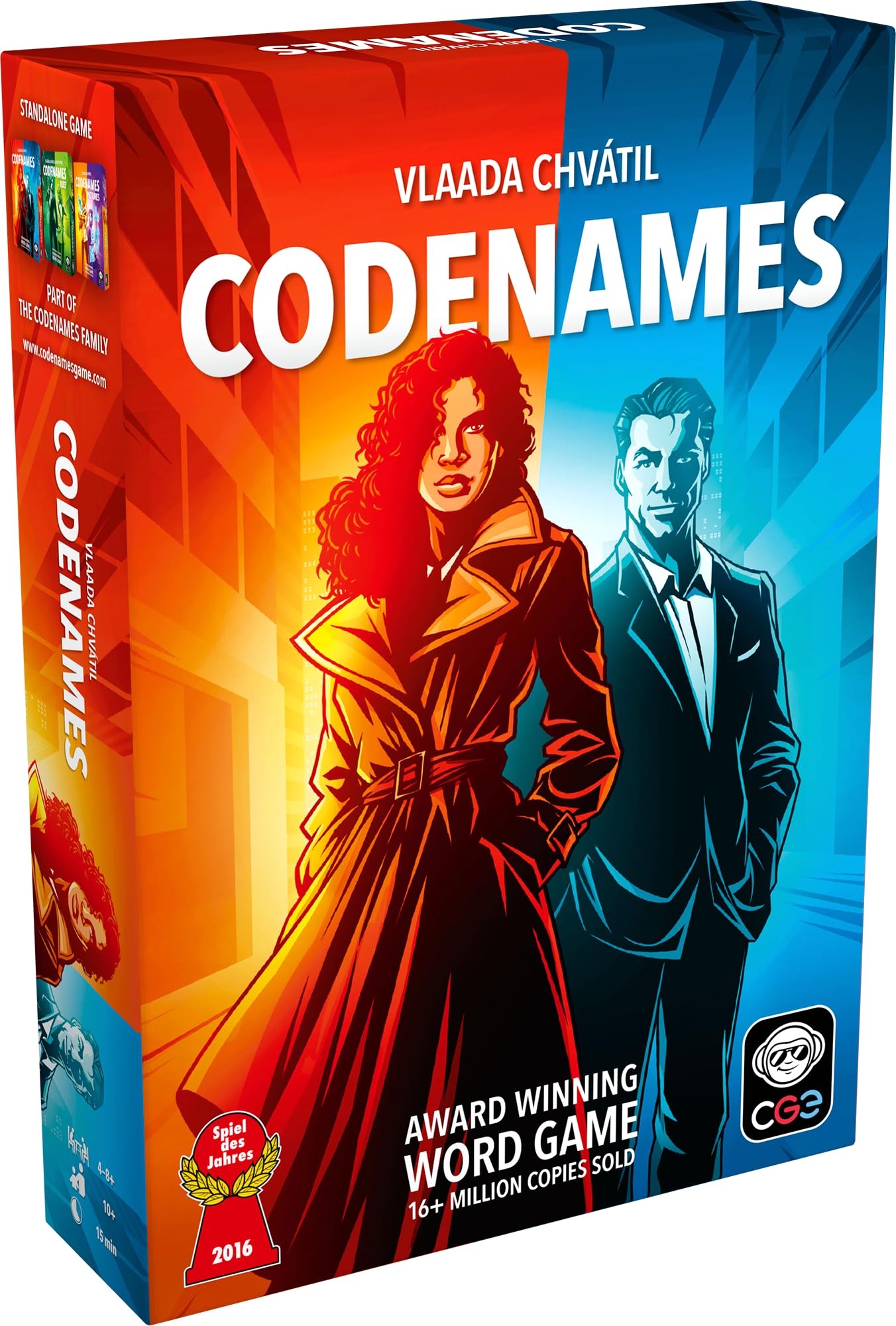
Codenames is my top pick for the best party board games of all time because it works perfectly with large groups (4-8+ players), has genuinely clever gameplay that keeps everyone engaged, and teaches in under two minutes. It's the game I reach for when I want guaranteed fun without negotiation.
Our Top Picks
| Product | Best For | Price |
|---|---|---|
| Codenames | Large groups, easy teaching | ~$15 |
| Deception: Murder in Hong Kong | 4-12 players, mystery lovers | ~$25 |
| One Night Ultimate Werewolf | Quick rounds, varying group sizes | ~$20 |
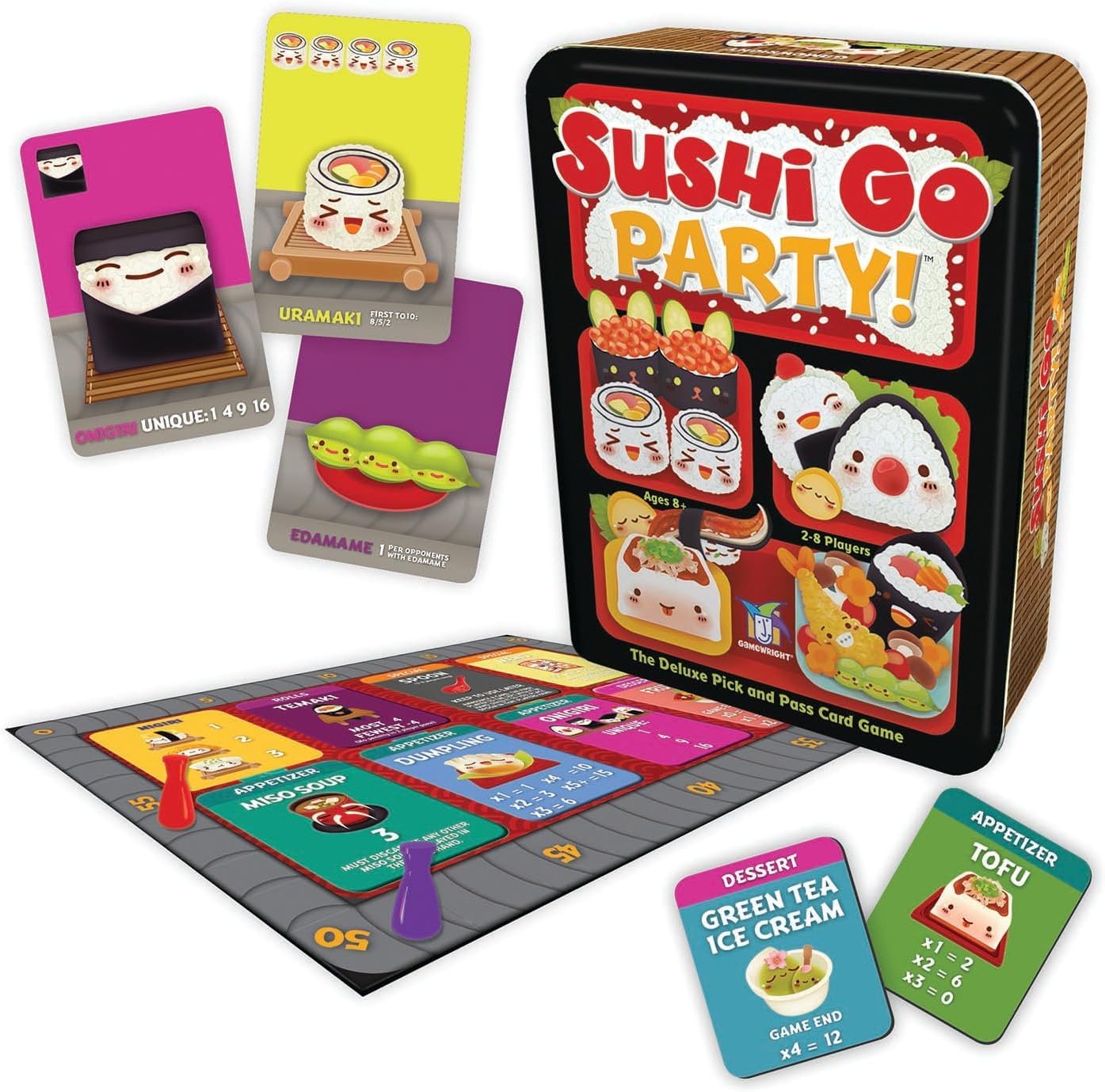
| Sushi Go Party! | Families and casual players | ~$25 |
| Telestrations | Groups who love laughing at each other | ~$20 |
Detailed Reviews
1. Codenames — The Group Game That Actually Works
Codenames stands out because it's genuinely clever without being complicated. Two teams compete to identify their secret agents by hearing one-word clues. One person (the spymaster) gives clues that connect multiple words on the board, and teammates guess which ones belong to their side. The tension comes from the clues being just vague enough to create real discussion at the table.
What makes this work is that it scales beautifully. I've played with 4 people and 10 people, and it flows equally well. The core game plays in about 15 minutes, so you can run multiple rounds in an evening. The clues people come up with are often hilarious, especially when someone gives a clue that technically connects to the right words but makes absolutely no sense to their team.
The main thing to know: this is a team game, not a free-for-all. If your party is full of competitive people who want individual glory, this isn't the pick. Also, if someone hasn't played before, give them one round as a spymaster before their first turn giving clues—it makes a huge difference in understanding strategy.
Pros:
- Scales from 4 to 20+ players
- Plays in 15 minutes per round
- Works with minimal setup or explanation
- Creates genuine "aha!" moments and funny moments
Cons:
- Requires at least 4 people to be fun
- Requires a strong spymaster or it falls flat
- Can feel repetitive if you play 5+ rounds in one night
2. Deception: Murder in Hong Kong — The Hidden Role Mystery
This one's different. One player is the murderer trying to hide their identity, another is the forensic scientist trying to crack the case, and everyone else is a detective with incomplete information. The scientist can only communicate through abstract tokens—placing symbols on a board to guide the detectives toward the killer. It's like playing Codenames but someone is actively working against you.
The brilliance here is that every single person has a different goal and different information. The discussion gets intense because people are genuinely suspicious of each other. I've played games where someone looked SO guilty that they were voted out despite being completely innocent, then everyone realizes the quiet person in the corner was the murderer all along.
Games run 15-20 minutes, which is perfect for parties. The biggest drawback is that explaining the scientist's communication system takes a minute, and new players sometimes need a practice round. Also, with very large groups (10+), it can get a bit chaotic—the sweet spot is 5-8 players.
Pros:
- Social deduction without the Werewolf repetition
- Every role feels unique and important
- Creates memorable moments and accusations
- Works great for groups who enjoy mystery vibes
Cons:
- Less intuitive than Codenames for first-time players
- Can feel clunky with 9+ people
- The forensic scientist role is challenging to master
3. One Night Ultimate Werewolf — The Quick Social Game
One Night Ultimate Werewolf is the lean, mean version of the classic Werewolf formula. Everyone gets a hidden role (werewolf, seer, drunk, robber, etc.), and in one single night phase, you're trying to figure out who's lying. No long day-phase discussions, no voting people out and waiting around. Just pure accusation and defense in one intense round.
The appeal is speed and variety. Each game is genuinely different because the role mix changes every round. I can teach this to people who've never played before, and they're accusing each other within two minutes. The role variety keeps it fresh—there are 13 different roles to play with, and most game nights only use a subset, so it feels different each time.
The trade-off: because rounds are so fast (about 8 minutes), you're playing multiple rounds in succession. Some people love this. Others find it exhausting after three or four back-to-back games. Also, with 3-4 players, the game becomes less fun because there's less deception possible. You want at least 5-6 people for this to shine.
Pros:
- Incredibly fast rounds
- Teaches in under 2 minutes
- Works with 3-8 players (though better with 5+)
- Many variants and expansions available
Cons:
- Plays best with specific player counts
- Luck-dependent (sometimes the math just doesn't work out)
- Less forgiving than Codenames for quiet personalities
4. Sushi Go Party! — The Gateway to Better Parties
Sushi Go Party! isn't what people typically picture when they think of party board games—it's a drafting game where you're building sushi platters. But it works brilliantly at parties because it's easy to teach, plays with 2-8 people, and creates genuine table moments without requiring everyone to play perfectly.
The game lets you customize which "rounds" you play with different rules, so no two games feel identical. Someone's clearly winning? The next round might have a rule that shakes everything up. It's fast (30 minutes total), colorful, and doesn't require harsh judgment calls or deep memory work. If you've got a group where not everyone is equally competitive, this is actually better than Codenames because losing isn't obvious until the very end.
The downside: if your party is made up of people who want pure chaos and constant accusations, this feels too structured and calm. It's a civilized game. Also, the strategy is light enough that some hardcore gamers find it boring. It's not trying to be complex—it's trying to be inclusive and fun.
Pros:
- Works with 2-8 players
- Teaches in 5 minutes
- Plays in 30 minutes
- Great for mixed skill levels
- Beautiful art and components
Cons:
- Less interactive than other picks on this list
- Light strategy might bore experienced gamers
- Doesn't create the same "accusations and laughter" moments
5. Telestrations — The Game Where Bad Drawing is the Point
Telestrations is a telephone game with drawing. One person draws something, the next person guesses it and writes the guess, the next person draws the guess, and so on. The results are usually hilarious because the drawing skills are bad and the guesses are wrong in the best ways possible.
This game requires almost no explanation, works with 2-8 people (though 4-6 is ideal), and anyone can play regardless of background. Your 65-year-old relative who "doesn't play games" will draw something, and everyone will laugh. The cost is low, the setup is instant, and you'll play multiple rounds in an hour.
The real magic is that nobody's trying to win—you're all trying to see what happens. That removes the pressure and competitive edge that some people don't enjoy. On the flip side, if your group genuinely loves strategic games or doesn't find silly humor fun, this falls flat. Also, you need at least 4 people for it to be worth playing, and larger groups (8+) can make rounds drag.
Pros:
- Works with nearly any group dynamic
- Instantly funny without requiring skill
- Super cheap and portable
- Multiple rounds in short time
- Great icebreaker for mixed groups
Cons:
- Relies entirely on humor—not for serious-minded groups
- Bigger groups slow down rounds significantly
- Less replayability than other party games
How I Chose These
I evaluated games across five criteria: teaching complexity (nothing over 5 minutes), scalability (how many player counts work well), round length (faster is usually better for parties), social engagement (do people actually interact?), and variety (can you play multiple rounds without it getting stale?). I eliminated games that need a dedicated rulebook keeper, take more than 45 minutes to finish, or require previous gaming experience. I focused on the best party board games of all time based on actual play data—which games do people keep requesting at game nights, and which ones sit on shelves? These five consistently get pulled out, and that's the real test.
Frequently Asked Questions
What's the best party board game for total beginners?
Codenames is the safest bet. The rules are: guess words based on one-word clues. That's it. Telestrations is close behind because there are essentially no rules—just draw and guess.
Do these work for large groups of 10+ people?
Codenames scales best to large groups. Deception: Murder in Hong Kong gets clunky past 8 people. One Night Ultimate Werewolf can handle 10+ but the pace becomes unpredictable. Telestrations works fine but rounds take longer. For truly large groups, Codenames is the only one I'd confidently recommend without hesitation.
Which game should I get if I already have Codenames?
If you want something similar but different, go with Deception: Murder in Hong Kong. If you want something completely different in tone, pick between Telestrations (for silly energy) or One Night Ultimate Werewolf (for competitive energy).
Are these games actually good for 2 players?
Only Sushi Go Party! and Telestrations work decently with 2 people. The others need at least 4. If you're playing with a partner, check out our two-player board games for better options.
What if my group doesn't like social deduction games?
Then Sushi Go Party! and Telestrations are your answers. Sushi Go Party! is strategic without being cutthroat. Telestrations is purely collaborative chaos. Both remove the "accusing your friends of lying" pressure.
---
If you're building your party game collection, these five cover every scenario. Codenames is your backbone—it works in almost every situation. From there, add one of the others based on your group's personality. If your friends are competitive, Deception or One Night Ultimate Werewolf adds drama. If you want to keep things light and silly, Telestrations does that. If you want something more measured and inclusive, Sushi Go Party! is the move. The best party board games of all time aren't about owning every game—they're about owning the right games for your group.
Get the best board game picks in your inbox
New reviews, top picks, and honest recommendations. No spam, unsubscribe anytime.