By Jamie Quinn · Updated April 15, 2026
Best Solo Board Games in 2026: Our Top 5 Picks for Playing Alone


Best Solo Board Games in 2026: Our Top 5 Picks for Playing Alone
Solo board gaming has become less of a niche hobby and more of a legitimate way to spend an evening—whether you're between friends, prefer quiet time, or just want a challenging puzzle to solve. The best solo board games combine compelling mechanics with strong narrative elements, creating experiences that don't feel like you're missing out by playing alone.
Quick Answer
Spirit Island is our top pick for best solo board games. It delivers a deeply strategic, asymmetrical experience where you play as spirits defending an island from colonizers. The game scales beautifully for solo play, offers enormous replayability through spirit variety, and provides that rare combination of thematic immersion and mechanical depth that keeps you coming back.
Our Top Picks
| Product | Best For | Price |
|---|---|---|
| Spirit Island | Strategic depth and narrative immersion | $58.12 |
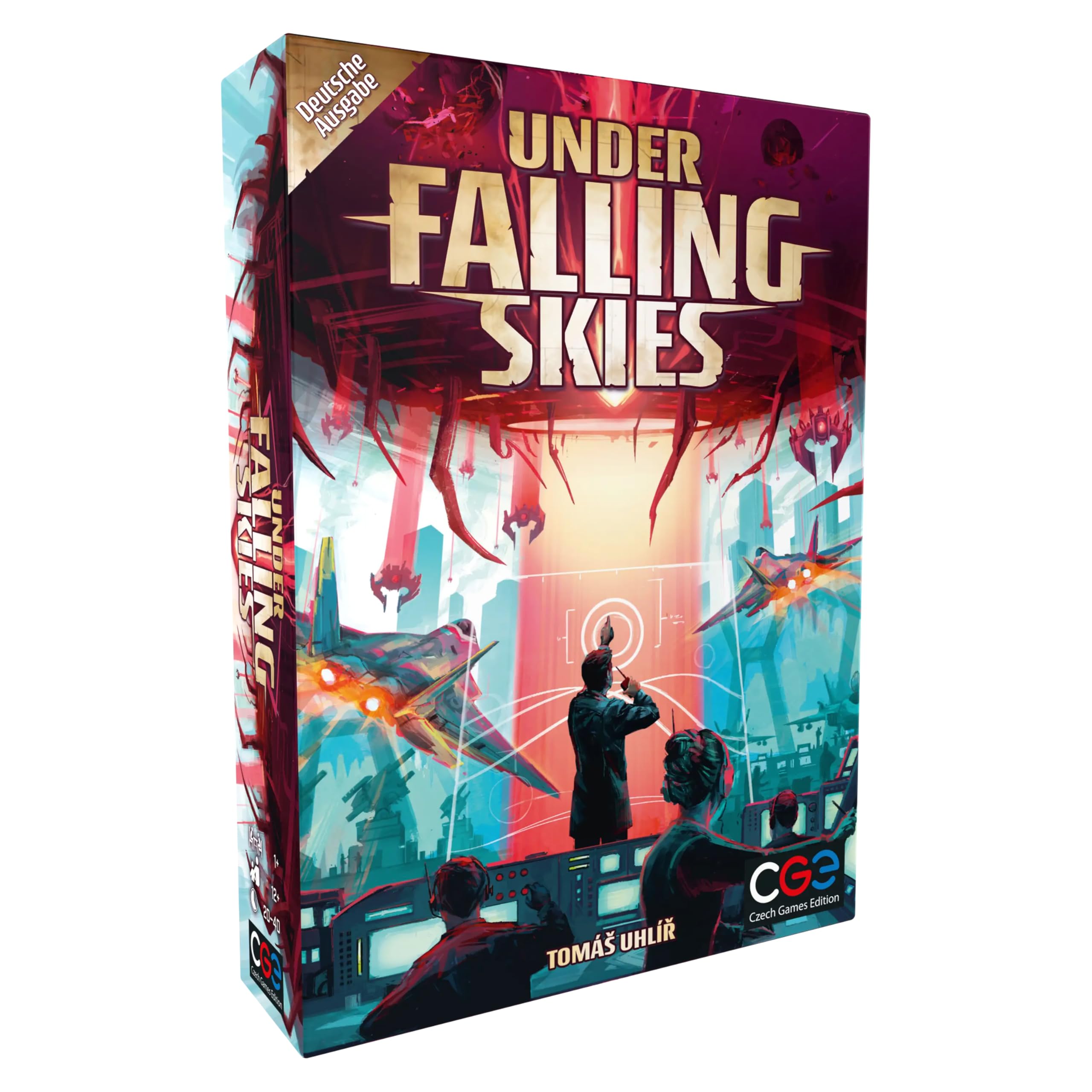
| Under Falling Skies | Tight puzzle-solving and tense decision-making | $56.07 |
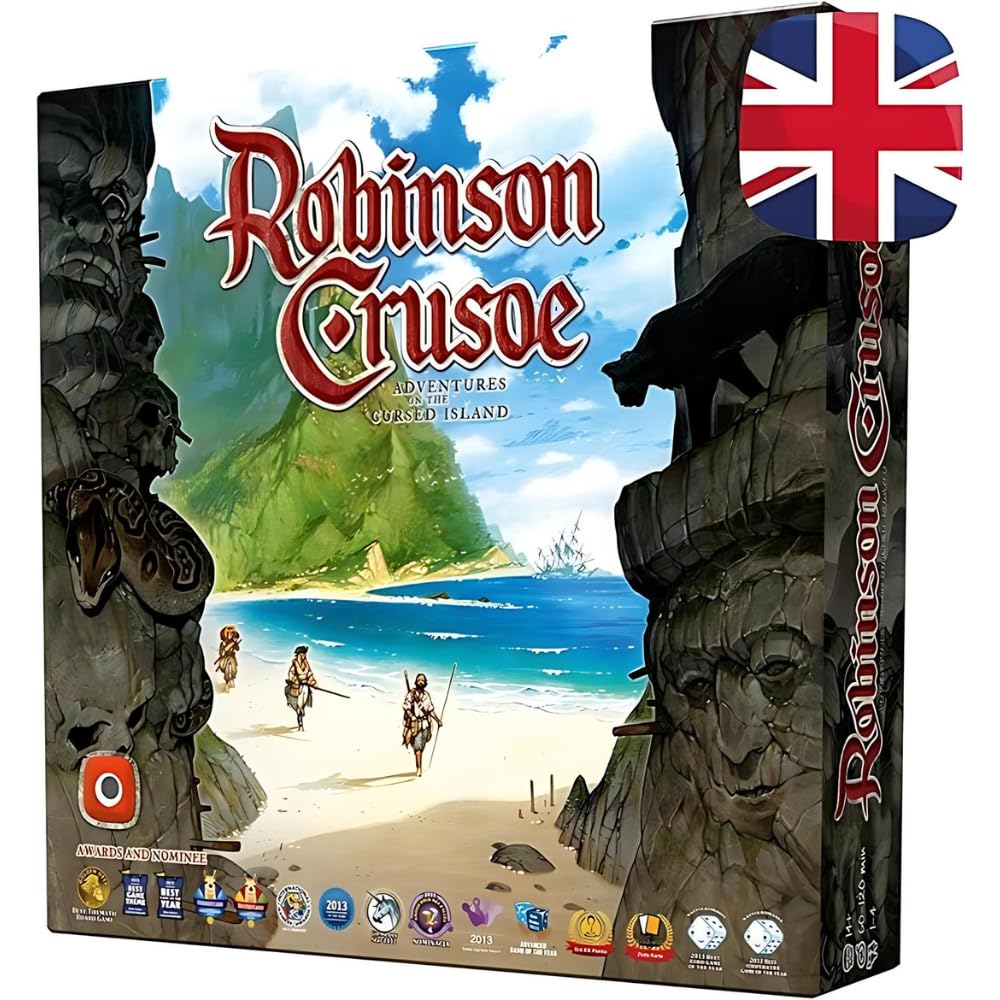
| Robinson Crusoe: Adventures on the Cursed Island | Survival storytelling and variable scenarios | $54.55 |
| Marvel Champions: The Card Game | Superhero fantasy and deck-building progression | $55.99 |
| Mage Knight Board Game | Complex tactical challenges and player mastery | $29.99 |
Detailed Reviews
1. Spirit Island — The Gold Standard for Solo Play
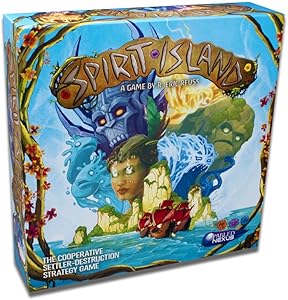
Spirit Island stands above most other best solo board games because it treats solo play as the design priority, not an afterthought. You control between one and four spirits defending an island from colonial invaders, each with completely different power sets and playstyles. Playing as a spirit that slowly builds power is fundamentally different from playing as one that invokes catastrophes.
The solo experience shines because you're not just managing resources—you're engaging in asymmetrical puzzle-solving. Your powers interact with the island's terrain, your own energy tracks, and the invaders' predictable-but-dangerous patterns. A single mistake cascades; a brilliant move pays off three turns later. There's no luck shield here. If you fail, it's because you didn't plan well enough.
Setup takes about 10 minutes, and games run 60-90 minutes depending on spirit complexity. The rulebook is thorough and the learning curve is real, but once you understand how spirits work, teaching yourself new ones becomes intuitive.
Pros:
- Massive replayability—each spirit plays completely differently
- Solo mode feels intentional and challenging, not a watered-down variant
- Thematic depth makes every decision feel meaningful
- Difficulty scaling lets you calibrate challenge to your mood
Cons:
- Steep learning curve; first game takes significant rules research
- High table space requirement; the island board gets crowded
- Analysis paralysis is real—turns can drag if you overthink
---
2. Under Falling Skies — Tense, Quick, and Brutally Fair
Under Falling Skies inverts the typical solo game problem: it's so tight and tense that playing it solo feels almost like competitive play against an opponent. You're defending your city from descending aliens using tower placement, limited resources, and dice that rarely cooperate.
Each turn, you roll dice and must commit them to buildings, but the aliens descend faster than you'd like, and your choices ripple forward. Do you fortify now or build missile defenses? Do you trust your dice rolls or burn resources for a guaranteed outcome? These decisions pack weight into a 30-minute experience, making it one of the best solo board games for people who want challenge without lengthy setup.
The rulebook is clear and the solo mode is the default way to play—designer Vital Lacerda built this specifically for one player. No house rules needed.
Pros:
- Fast play time (25-35 minutes) makes it easy to revisit
- Dice create genuine tension without feeling arbitrary
- Scaling difficulty levels let you find your sweet spot
- Minimal setup and cleanup
Cons:
- Dice luck can feel punishing on rough streaks
- Limited narrative or thematic flavor compared to heavier games
- Replayability comes from difficulty levels, not radically different paths
---
3. Robinson Crusoe: Adventures on the Cursed Island — Survival Storytelling
Robinson Crusoe excels at creating narrative tension within a survival framework. You manage health, hunger, tools, and morale while working through scenario objectives on a cursed island. What makes it special isn't just the mechanics—it's that each scenario plays like a chapter in a story.
Early scenarios focus on basic survival: finding food, building shelter, managing resources. Later ones introduce mysteries, rivals, and escalating stakes. The game doesn't hold your hand, and failures feel earned rather than cheap. You'll lose games, sometimes spectacularly, but replaying scenarios to discover new solutions is part of the fun.
The solo mode is excellent because the island behaviors are rule-driven and consistent. You're not playing against a scripted AI; you're responding to mechanical systems that create emergent challenges.
Pros:
- Scenario variety prevents repetition (multiple campaigns included)
- Failure states feel narrative-driven, not arbitrary
- Solo mode is elegantly integrated into the rules
- Weather and time passage create real tension
Cons:
- Setup is involved; expect 10-15 minutes before playing
- Rulebook has some ambiguities that need clarifying online
- Can feel luck-dependent when die rolls spike your problems
- Heavier than Under Falling Skies, lighter than Spirit Island
---
4. Marvel Champions: The Card Game — Deck-Building Superhero Action
Marvel Champions belongs in any discussion of best solo board games for one specific reason: it's a deck-building game where solo play isn't a mode—it's the natural fit. You build a custom deck as a specific Marvel hero and face off against iconic villains.
The core experience involves managing hand size, resource optimization, and tactical positioning. Do you spend resources on your hero ability or on allies? Do you neutralize threats this turn or save resources for a powerful combo next turn? These decisions create satisfying strategic depth without requiring you to memorize 40 cards.
The base game includes Spider-Man, Iron Man, Captain Marvel, and She-Hulk, each with distinct gameplay patterns. The real genius is villain design—each villain has unique mechanics that force different strategies. Rhino plays nothing like Klaw, which plays nothing like Thanos.
Pros:
- Deck-building progression feels rewarding
- Villain variety prevents stale strategies
- Card interactions create satisfying moments
- Relatively quick setup compared to other best solo board games
Cons:
- Card management can feel fiddly during turns
- Base game has four heroes; variety requires expansions
- Deck-building depth grows with expansions, not instantly
- Some villain balance issues in early meta
---
5. Mage Knight Board Game — Mastery Through Complexity

Mage Knight is the thinking person's solo board game. You're a powerful wizard exploring a fantasy realm, managing spells, abilities, and positioning. The learning curve is steep—truly steep—but mastering Mage Knight creates a feedback loop where you keep improving.
Each turn you select spells from your hand, arrange them for maximum effect, and execute a plan across the board. Enemies have specific weaknesses and movement patterns. Terrain matters. Chaining spells for combo damage feels incredible. This is what best solo board games can achieve when they demand your full attention.
Solo play is the intended experience. The game provides specific solo scenarios with clear victory conditions. Early scenarios teach mechanics; later ones require true tactical optimization. There's no easier way to describe it: Mage Knight respects your intelligence.
Pros:
- Deep decision space rewards mastery and optimization
- Solo scenarios scale from tutorial to supremely difficult
- Individual rules create emergent complexity
- Satisfying when a complex turn resolves perfectly
Cons:
- Steep learning curve (plan for 2-3 playthroughs just to understand rules)
- Rulebook is dense; forum searches are sometimes necessary
- Turns can stretch long if you optimize every detail
- Component organization matters for table management
---
How I Chose These
These picks prioritize solo play as a legitimate design focus, not a tacked-on variant. I weighted several factors: Does the game create meaningful decisions? Does solo play avoid feeling like playing against yourself? Is replayability supported through mechanics or scenarios rather than pure randomness? How approachable is the ruleset for solo learners?
I also considered the spread of play experiences. If you want fast puzzle games, Under Falling Skies delivers. If you want narrative and thematic immersion, Robinson Crusoe shines. If you want pure strategic depth, Spirit Island and Mage Knight occupy different ends of the complexity spectrum. Marvel Champions sits in the middle, offering accessible deck-building without demanding 90 minutes every session.
Price was a secondary consideration. These games cluster between $30-$60 because they're all mid-to-heavy games with quality components. Cheaper options exist, but they typically compromise on replayability or strategic depth.
---
Frequently Asked Questions
What's the difference between these games and lighter party games?
These best solo board games assume you want meaningful decisions and real consequences. Party games prioritize fun with groups; these prioritize depth for one person. If you're looking for something lighter, check out our cooperative games guide for options designed for both solo and group play.
Do I need expansions for any of these?
No. The base games stand alone. Marvel Champions benefits from expansions once you've mastered the core heroes, but the base game has 40+ hours of content. Spirit Island has expansions that add spirits, but base game variety is substantial. Mage Knight and Robinson Crusoe don't require expansions.
Which game has the shortest learning curve?
Under Falling Skies. You can learn the rules in 15 minutes and play competently by turn three. Marvel Champions is second—it shares common card game conventions that shorten onboarding. Mage Knight requires the most upfront investment.
Are these games too difficult for beginners?
Most have difficulty scaling. Start Under Falling Skies or Marvel Champions if you're new to strategic board games. Robinson Crusoe works as a second game. Spirit Island and Mage Knight are better as third or fourth games after you've built confidence.
Can I play these multiplayer, or are they solo-only?
All support multiplayer. Spirit Island, Robinson Crusoe, and Mage Knight shine in multiplayer (or solo with multiple characters). Under Falling Skies is playable with two players using shared resources. Marvel Champions can be played co-op. They're genuinely good games solo and with others.
---
The best solo board games share one quality: they respect your time and intelligence. Whether you want tight puzzle-solving in 30 minutes or a 90-minute strategic deep dive, this list covers genuine options. Start with your preferred play style—quick and tense, or slow and strategic—and you'll find something that keeps you coming back.
Get the best board game picks in your inbox
New reviews, top picks, and honest recommendations. No spam, unsubscribe anytime.
More in Cooperative
Best Solo Board Games Ever in 2026: Our Top Picks for Playing Alone
Solo board gaming has exploded over the last few years, and if you've been thinking about diving into games you can play by yourself, you're in for a...
Best Two Player Board Games Cooperative in 2026: Five Games That Actually Work With Just Two
Playing board games with one other person used to mean settling for scaled-down versions of games designed for four or five. Not anymore.
Best Cooperative Board Games for 2 Players in 2026
Playing board games as a duo is special—there's no negotiation with a larger group, no traitor mechanic ruining friendships, just two people working...