By Jamie Quinn · Updated April 11, 2026
Best Solo Board Games with Replay Value in 2026


Best Solo Board Games with Replay Value in 2026
Finding a board game that stays fresh after dozens of plays is rare. Most solo games feel like one-off puzzles—fun the first time, then predictable. The games below break that mold because they're built with variability, escalating difficulty, and emergent storytelling that makes each session feel genuinely different.
Quick Answer
Spirit Island is the best solo board game with replay value because it combines asymmetric spirit powers, randomized invader placement, and difficulty settings that keep the game challenging and unpredictable across hundreds of plays.
Our Top Picks
| Product | Best For | Price |
|---|---|---|
| Spirit Island | Strategic depth and unlimited replayability | $58.12 |
| Mage Knight Board Game | Complex tactical puzzles that reward mastery | $149.95 |
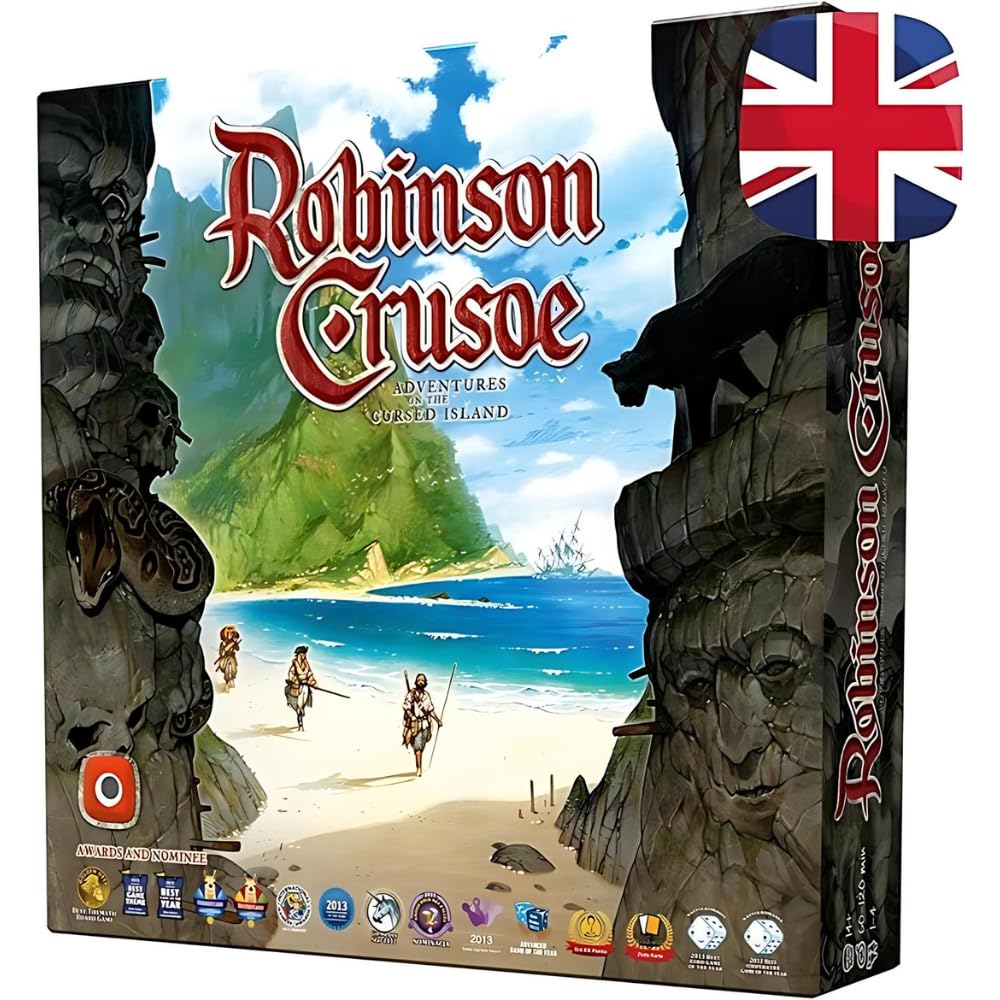
| Robinson Crusoe: Adventures on the Cursed Island | Narrative-driven survival experiences | $54.55 |
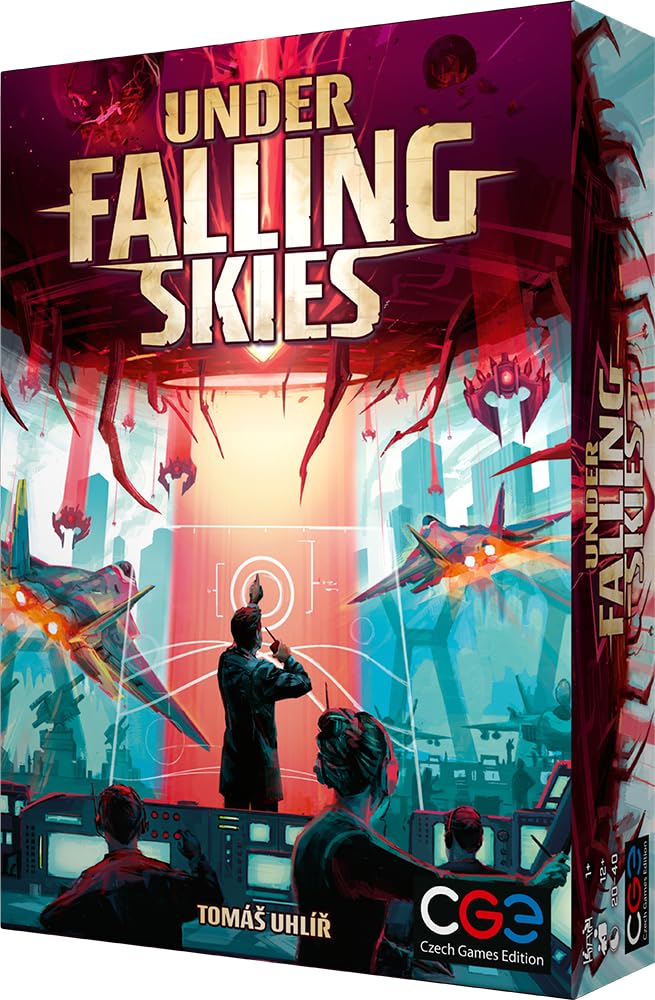
| Under Falling Skies | Quick, tense solo sessions with variable difficulty | $56.07 |
| Marvel Champions: The Card Game | Building different decks against varied scenarios | $55.99 |
Detailed Reviews
1. Spirit Island — Endlessly Variable Asymmetric Combat
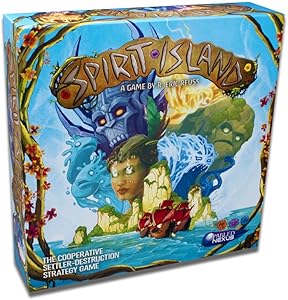
Spirit Island stands apart because no two games feel remotely similar. You're a spirit defending an island from colonizers, but which spirit you play completely changes how you approach the game. One spirit excels at pushing invaders off the island, another creates disease and blight, and a third focuses on slow environmental degradation. The invaders arrive in unpredictable patterns, and the game's difficulty scales from genuinely manageable to brutally punishing.
What makes this exceptional for replay value is the combination of asymmetry and variable enemy placement. Each of the unique spirits has distinct power cards and mechanics that unlock new strategic possibilities. The invader deck randomizes where settlers appear and what they do, so you can't memorize solutions. Even the map itself changes because spirits affect different regions with different terrain effects.
I've played Spirit Island over 150 times across different spirits, and I still discover new synergies. Pairing spirits creates additional strategic layers—some combinations work better together because their powers complement each other. The game also includes difficulty levels that add modular challenges, scaling from "learning mode" to "nearly impossible without perfect play."
This isn't a game for people who want quick 20-minute sessions. Setup takes 10 minutes, and games run 60-120 minutes depending on your chosen difficulty. It's also mechanically dense—learning the spirit powers and how they interact with invader mechanics requires genuine study. But if you love strategic depth and don't mind the learning curve, Spirit Island delivers more replayability than almost any solo board game with replay value available today.
Pros:
- Eight completely different spirits with unique playstyles and power sets
- Randomized invader placement ensures tactics change every game
- Difficulty settings scale smoothly from beginner to expert
- Deep strategic interactions between spirits and map control
- Hundreds of potential hours of engaging solo play
Cons:
- Steep learning curve for new players
- Longest games exceed two hours
- Component organization matters (lots of tokens and cards)
- Some spirits feel significantly stronger than others at high difficulty
---
2. Mage Knight Board Game — Mastery Through Complex Tactical Depth

Mage Knight Board Game is a tactical puzzle where you're a wizard conquering a procedurally-generated fantasy landscape. Every action involves careful hand management and resource optimization—you spend spell cards for movement, mana for spellcasting, and gems for special abilities. The complexity isn't ornamental; it directly impacts how you approach each turn.
Replay value comes from the modular board setup and deck variability. The map tiles shuffle differently each game, creating new territory to explore. Your mage's ability cards reshape how you tackle problems—one mage might excel at melee combat while another focuses on ranged spellcasting and terrain manipulation. You'll encounter randomized enemies and cities, forcing tactical adaptation rather than predetermined solutions.
The game demands genuine strategic thinking. You can't simply burn through your hand—you need to plan several turns ahead, considering movement constraints and mana efficiency. Games run 60-90 minutes, and the learning curve is steep, but once combat mechanics click, the puzzle-solving becomes addictive. Beating the game on higher difficulties requires understanding optimal card sequencing.
For someone who loves solving complex tactical problems and doesn't mind playing the same game type repeatedly, Mage Knight delivers exceptional replayability. Each session becomes a fresh puzzle because the board, enemies, and available cards are different. However, if you prefer narrative progression or games that wrap up in 30 minutes, this might feel too demanding.
Pros:
- Modular board ensures different map layouts and exploration challenges
- Multiple mage characters with distinct spell decks
- Difficulty modes scale from introductory to brutal
- Tactical depth that rewards clever card sequencing
- Generous game time for your money
Cons:
- Extremely heavy rules and long learning period
- Setup and teardown are time-consuming
- Not casual—requires full mental engagement
- Can feel like a puzzle to solve rather than a story to experience
- Higher price point than other entries
---
3. Robinson Crusoe: Adventures on the Cursed Island — Narrative-Driven Survival
Robinson Crusoe plays like a story generator wrapped in survival mechanics. You're stranded on an island managing hunger, weather, health, and mysterious curse mechanics. Different scenarios frame distinct survival challenges—one scenario focuses on building a shelter before winter, another centers on finding resources to construct a boat. Each scenario feels like its own adventure rather than a reskinned puzzle.
The replay value stems from scenario variety and random event generation. The game includes multiple scenario setups, and within each one, the random event deck creates unexpected crises. One game you'll face a hurricane destroying your shelter while hunting for food; another might pit you against island creatures and supply shortages. The card-driven event system ensures you can't memorize the optimal response sequence.
Robinson Crusoe also lets you choose different character combinations, and each character brings specific abilities that reshape your survival strategy. One character excels at construction while another handles hunting more efficiently. Pairing characters differently opens new tactical approaches to the same scenario.
Games run 60-120 minutes, and the theme genuinely matters—you feel the pressure of survival rather than pushing abstract cubes. Setup is moderate, and rules are more approachable than Mage Knight. The main drawback is that some scenarios work better than others, and you might finish a scenario only to discover there's limited new challenge in replaying it without difficulty modifications.
Pros:
- Thematic survival mechanics create genuine tension
- Multiple scenarios with distinct strategic focuses
- Character combinations add tactical variety
- Random events prevent prediction and routine solutions
- Compelling narrative arc within each game
Cons:
- Some scenarios feel imbalanced or overly punishing
- Replay value within single scenarios decreases after 2-3 plays
- Setup requires reading scenario-specific rules
- Random chance can overshadow player decision-making sometimes
- Weather and event cards occasionally feel arbitrary
---
4. Under Falling Skies — Quick, Engaging Dice Placement
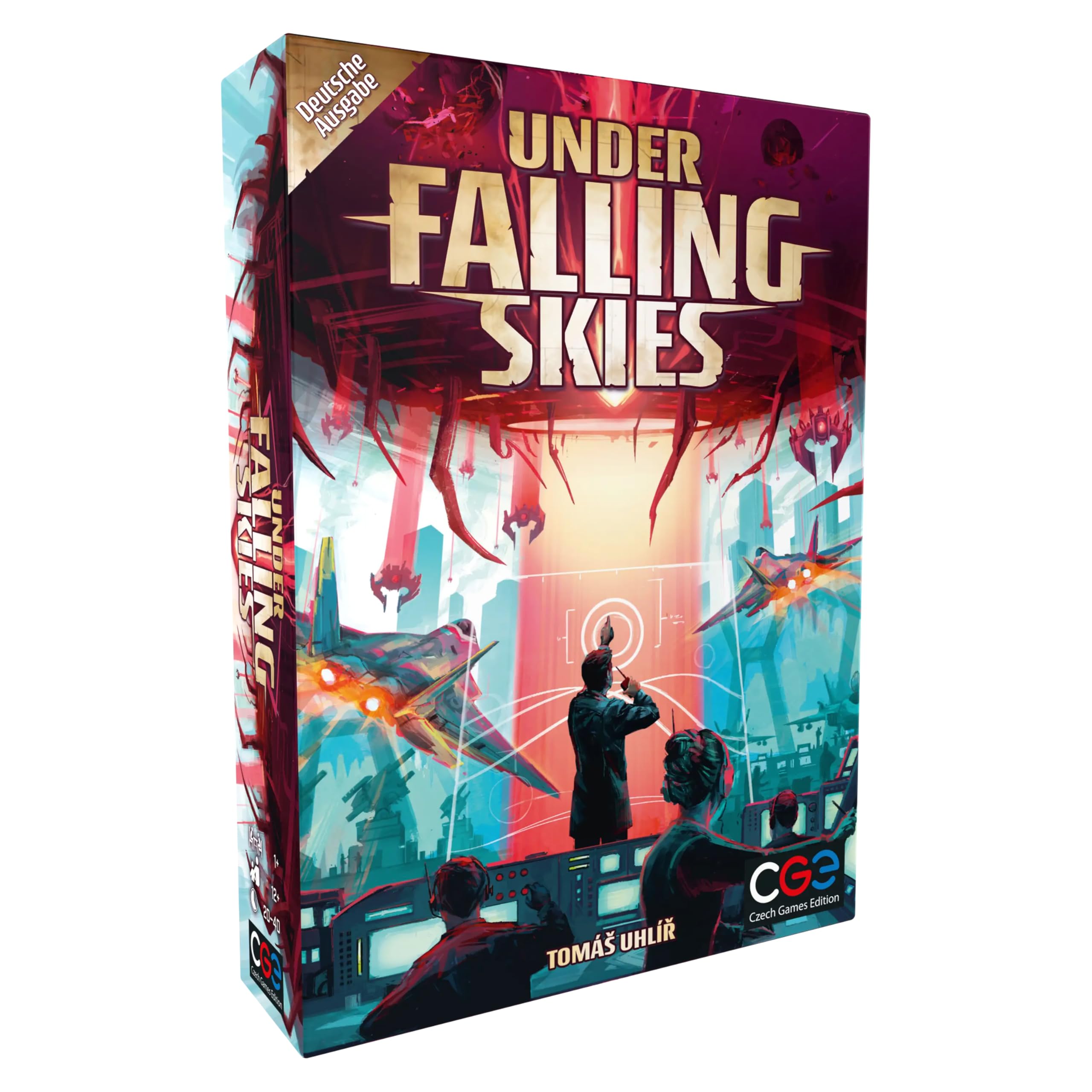
Under Falling Skies fixes the problem of solo board games that demand 90+ minutes. This is a 30-minute dice-placement game where aliens descend toward your city in waves, and you place dice to defend buildings or prepare future defenses. The catch: each die's value determines when you can use it, and aliens advance if you don't defend adequately.
What makes this excellent for replay value is how tightly balanced and escalating the difficulty becomes. You start with manageable alien waves, but each round the invaders get stronger and more numerous. Your decisions cascade—defending buildings now means sacrificing preparation for harder rounds. The dice rolls introduce genuine randomness without making success purely luck-dependent.
The game includes multiple difficulty settings and city configurations, subtly changing how you approach each game. A city with strong late-game defense buildings requires completely different early strategies than one focused on early aggression. Despite the small box and quick playtime, there's real depth to understanding when to defend, when to sacrifice buildings, and how to optimize your dice placement.
Under Falling Skies suits someone wanting solo board games with replay value that don't consume your entire evening. It's punchy, tense, and finishes before you feel burnt out. The main limitation is that it's more tactical puzzle than deep strategic experience—some players will exhaust its challenge potential faster than they would with Spirit Island or Mage Knight.
Pros:
- 30-minute playtime perfect for weeknight sessions
- Escalating difficulty creates tension and engagement
- Dice luck integrated smartly into placement decisions
- Multiple city configurations change strategic approaches
- High accessibility paired with real decision-making
Cons:
- Shorter potential replay lifespan than heavier games
- Limited strategic depth compared to complex games
- Random dice rolls occasionally create unwinnable situations
- Solo focus means no multiplayer variance
- Component quality is solid but presentation is minimal
---
5. Marvel Champions: The Card Game — Deck Building Against Variable Scenarios
Marvel Champions is a living card game where you build a hero deck to defeat supervillains. Each villain has unique mechanics and attack patterns, and your hero deck construction directly counters specific challenges. Playing Iron Man requires different cards than Spider-Man because their abilities have different strengths.
Replay value emerges from villain variety and deck customization. You might face Rhino in a straightforward brawl requiring endurance, then fight Kang with time-manipulation powers forcing tactical tempo adjustments. Each villain creates new deck-building puzzles—which cards synergize with your hero, and which cards specifically counter the villain's mechanics?
The game includes dozens of card combinations across multiple heroes, and subsequent expansions add villains and heroes infinitely. Building different decks against the same villain yields different experiences, and fighting different villains forces fresh deck construction. A single hero can be played dozens of times with completely different card selections.
Games run 45-60 minutes, and the learning curve is gentle compared to Mage Knight or Spirit Island. Rules are intuitive, and you can jump in quickly. The main consideration is that this is a collectible card game framework, so replay value eventually requires purchasing expansions to unlock new heroes and villains.
Pros:
- Multiple heroes offer distinct playstyles and mechanics
- Varied villains create new deck-building challenges
- Approachable rules for board game newcomers
- Satisfying card synergies and combo potential
- Each hero-versus-villain matchup feels fresh
Cons:
- Expansion purchases necessary for long-term replayability
- Base game content gets exhausted relatively quickly
- Some hero-villain matchups feel imbalanced
- Deck building occasionally feels optimized rather than creative
- Random villain attacks sometimes overshadow player decisions
---
How I Chose These
I evaluated these games across five dimensions: variability (how different each game plays), strategic depth (whether decisions matter across multiple sessions), scenario/content variety (whether the game includes multiple distinct challenges), balance (whether wins feel earned rather than random), and playtime efficiency (whether the game respects your time). Games needed proven longevity—all of these have communities with hundreds to thousands of documented plays per person.
I excluded games that felt like one-off puzzles, games where optimization made replays predictable, and games where randomness replaced decision-making. I also weighted toward games that worked solo from the box rather than multiplayer games awkwardly retrofitted for solo play. The best solo board games with replay value share one trait: they're designed with solo play as the priority, not an afterthought.
Frequently Asked Questions
What separates the best solo board games with replay value from games with limited replayability?
Real replayability requires both variability (the game plays differently each time) and escalating difficulty (you can't master it in three sessions). Games with fixed solutions or strategies get solved quickly. The games above mix randomized elements with depth—you can't memorize winning paths because the game adapts.
Which of these plays fastest?
Under Falling Skies averages 30 minutes per game. Marvel Champions runs 45-60 minutes. Robinson Crusoe and Spirit Island hit 60-90 minutes for experienced players, while Mage Knight can stretch past 90 minutes. If speed is your priority, Under Falling Skies is the clear winner.
Do I need expansions to maintain replay value?
Spirit Island, Mage Knight, and Robinson Crusoe all provide hundreds of hours without expansions. Marvel Champions eventually benefits from expansion content, though the base game includes multiple villains and heroes. Under Falling Skies is complete as-is. Expansions enhance rather than enable replayability.
Which game should I buy if I only pick one?
If you want maximum depth and don't mind complexity, Spirit Island. If you prefer shorter sessions and approachable rules, Under Falling Skies. If you love tactical puzzles and have the time, Mage Knight. For narrative-driven experiences, Robinson Crusoe. For Marvel fans specifically, Marvel Champions becomes obvious.
---
The best solo board games with replay value share an obsessive attention to variability and player agency. Spirit Island stands out because its asymmetric spirits and randomized invasions ensure no two games mirror each other, but each entry above earns its place through distinct strengths. Whether you want deep strategy, quick tension, or emergent narratives, at least one of these games will reward repeated plays across months or years.
Get the best board game picks in your inbox
New reviews, top picks, and honest recommendations. No spam, unsubscribe anytime.
More in Cooperative
Best Solo Board Games Ever in 2026: Our Top Picks for Playing Alone
Solo board gaming has exploded over the last few years, and if you've been thinking about diving into games you can play by yourself, you're in for a...
Best Solo Board Games with High Replayability in 2026
If you're looking for board games you can play alone without feeling like you're missing out on the experience, you've probably noticed that most games...
Best Compact Solo Board Game 2026: 5 Games That Actually Travel Well
Finding a great solo board game that doesn't require a huge table or an hour of setup is harder than you'd think.