By Jamie Quinn · Updated April 11, 2026
Best Solo Military Board Games for 2026: Tactical Challenges You Can Play Alone


Best Solo Military Board Games for 2026: Tactical Challenges You Can Play Alone
Finding a solid solo military board game means looking for mechanics that don't feel like you're playing against a broken AI—you want real strategic depth where you're genuinely fighting against the system, not just grinding through predetermined moves. The best solo military board games challenge your decision-making under pressure, force meaningful choices between bad options, and keep you coming back because the difficulty scales and the scenarios shift.
Quick Answer
Spirit Island is the best solo military board game for most players. It's a defense game where you play as spirits protecting an island from colonial invaders, with asymmetrical powers that create wildly different strategic puzzles each session. The solo mode isn't an afterthought—it's the core of how the game was designed, and the difficulty scaling means you'll stay challenged whether you're learning or mastering it.
Our Top Picks
| Product | Best For | Price |
|---|---|---|
| Mage Knight Board Game | Maximum tactical complexity and replay value | $149.95 |
| Under Falling Skies | Quick solo sessions (30-45 minutes) with mounting tension | $56.07 |
| Marvel Champions: The Card Game | Solo players who want combat without traditional military themes | $55.99 |
| Robinson Crusoe: Adventures on the Cursed Island | Narrative-driven survival with military resource management | $54.55 |
| Spirit Island | Asymmetrical powers and strategic depth in defense scenarios | $58.12 |
Detailed Reviews
1. Mage Knight Board Game — Peak Solo Complexity

Mage Knight demands your full attention in ways most solo board games don't. You're exploring a hexagonal grid, managing spell cards, recruiting units, and navigating a world that actively resists you through encounter cards. The core appeal for solo military players is the puzzle—every turn presents multiple viable paths forward, and you're constantly calculating risk versus reward. The solo AI is baked into the card system itself, which means there's no clunky NPC ruleset to reference. Instead, the world operates by clean, intuitive rules that you internalize quickly.
The game's modular difficulty system lets you add complications gradually. Start with the basic conquest scenario, then layer on the advanced ruleset, additional encounter decks, and time limits until you're playing what might be the most complex solo board game experience available. Play time ranges from 60-90 minutes once you know the rules, though your first dozen sessions will take longer.
This isn't a military game in the traditional sense (you're not commanding armies), but the tactical positioning, resource allocation, and defensive maneuvering absolutely scratch the military strategy itch. The downside: it's heavy. The rulebook is dense, setup takes 10 minutes, and if you don't enjoy solving optimization puzzles, you'll find Mage Knight exhausting rather than fun.
Pros:
- Every decision matters and affects future turns
- The AI system is elegant and never feels unfair
- Massive replay value across different character abilities and scenarios
- Difficulty can scale from approachable to genuinely punishing
Cons:
- Steep learning curve—expect 2-3 sessions before the rules click
- High price point at $149.95
- Solo-focused gameplay doesn't translate well if you ever want multiplayer
- Takes up significant table space and requires organization
---
2. Under Falling Skies — Quick Military Pressure
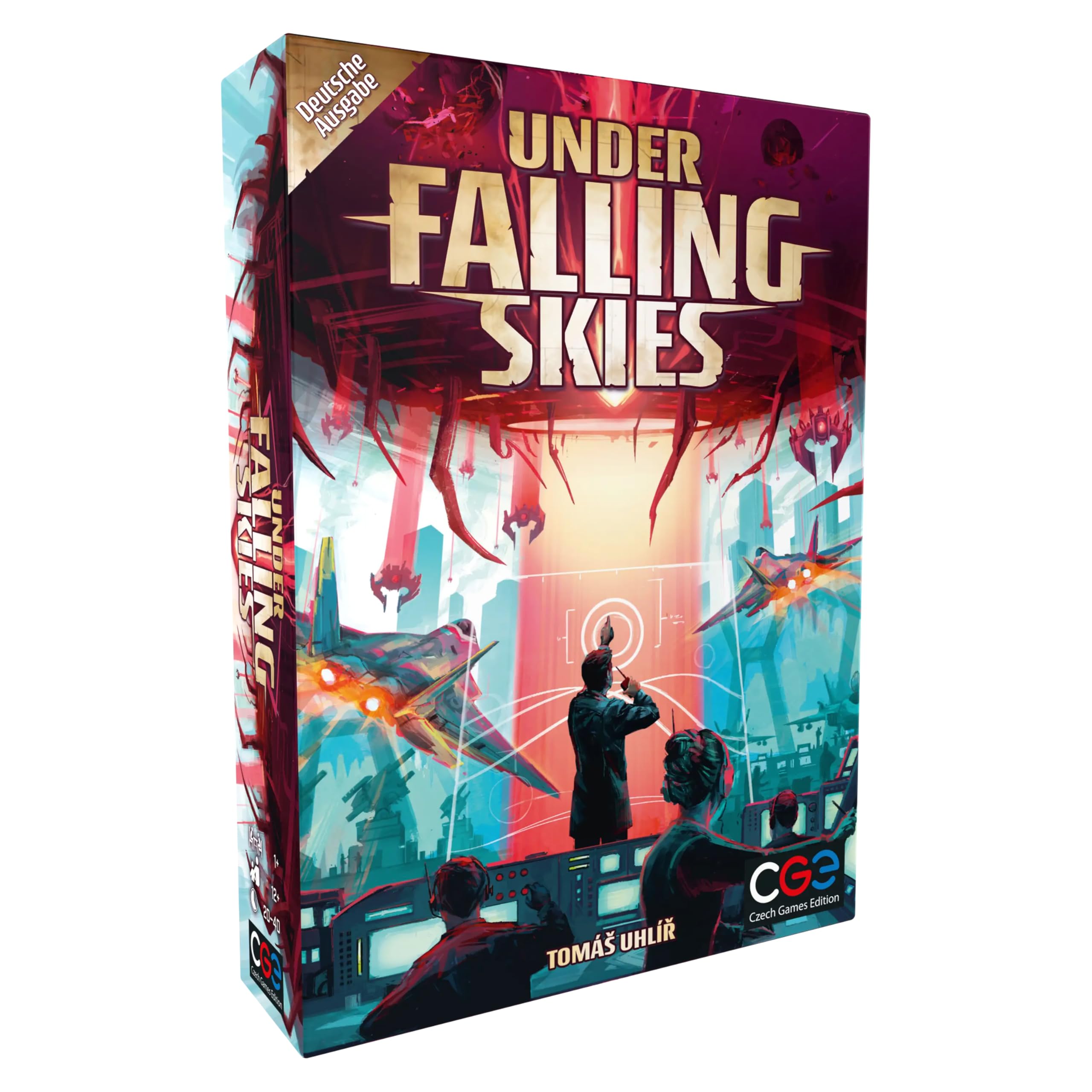
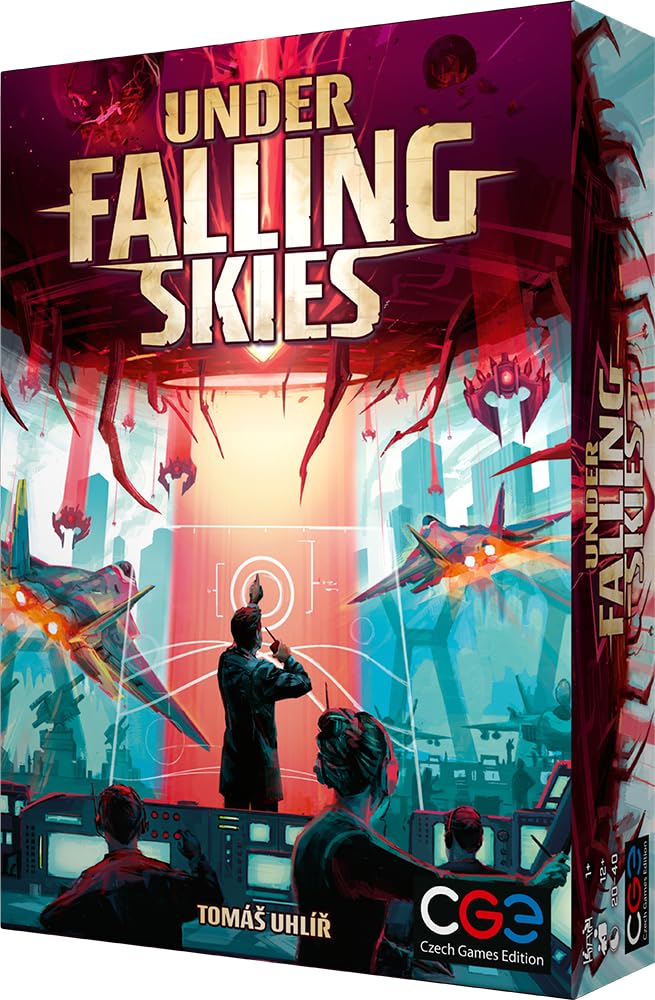
Under Falling Skies does something elegant: it creates genuine military tension in under an hour. You're defending Earth from an alien invasion using dice placement and tower defense mechanics. Each turn, you place dice to activate different defenses, and then aliens advance closer. The pressure ramps because you've got limited actions, your dice results are unpredictable, and the aliens keep getting closer to your three bases.
The solo mode is the definitive way to play this game. There's no downtime, no negotiation, just pure tactical decision-making. You're constantly asking yourself: should I secure my weakest base or commit extra firepower to one position? It's the military resource allocation problem distilled to its essence. The game runs 30-45 minutes, making it perfect for a quick lunch-break strategy session or a cool-down game after something heavier.
Difficulty scales through scenario cards and by adjusting the alien advancement speed. For solo military board games, this hits the sweet spot of being immediately accessible but with enough depth to challenge experienced players. The downside is that it's relatively lightweight compared to other options on this list. If you're craving a deep strategic experience, you might find Under Falling Skies too streamlined.
Pros:
- Quick play time without sacrificing tension
- Easy to teach yourself—rules fit on a few pages
- Excellent solo scaling difficulty
- Highly replayable across different scenarios
Cons:
- Lighter than some solo players might want
- Limited faction variety (you play the same basic strategy each game)
- Dice luck can make some sessions feel predetermined
- Less narrative depth than survival-focused games
---
3. Marvel Champions: The Card Game — Solo Combat Without the Military Setting
Marvel Champions is a deck-building game where you play as a superhero fighting supervillains. I'm including it here because it delivers what solo military board games often chase: engaging solo combat with escalating difficulty and meaningful deck construction choices. You're managing resources, deciding when to defend versus attack, and responding to enemy schemes that pressure you differently depending on the villain.
The solo experience isn't grafted on—it's intrinsic to how the game works. Each villain has unique powers and attack patterns, so you're constantly adapting your strategy. The base game includes four heroes, so you've got different tactical approaches available. Want to play an aggressive Spider-Man deck? Totally viable. Prefer a control-focused Captain Marvel? Also works. This flexibility makes Marvel Champions one of the best deck-building games for solo players who want combat variety.
The main limitation: if you want traditional military themes (commanding units, territorial control, siege mechanics), this won't scratch that itch. It's superhero combat, not warfare. Also, while the base game is solid, serious solo players will eventually want expansions to access the full difficulty range and villain variety.
Pros:
- Excellent solo-first game design
- Multiple heroes with genuinely different playstyles
- Villains present varied strategic challenges
- Moderate price with good content in the base game
Cons:
- Not a military-themed game (if theme matters to you)
- Limited hero options in base game
- Expansion fatigue is real—you'll want more content relatively quickly
- Some villains feel easier or harder in ways that don't scale evenly
---
4. Robinson Crusoe: Adventures on the Cursed Island — Survival Under Siege
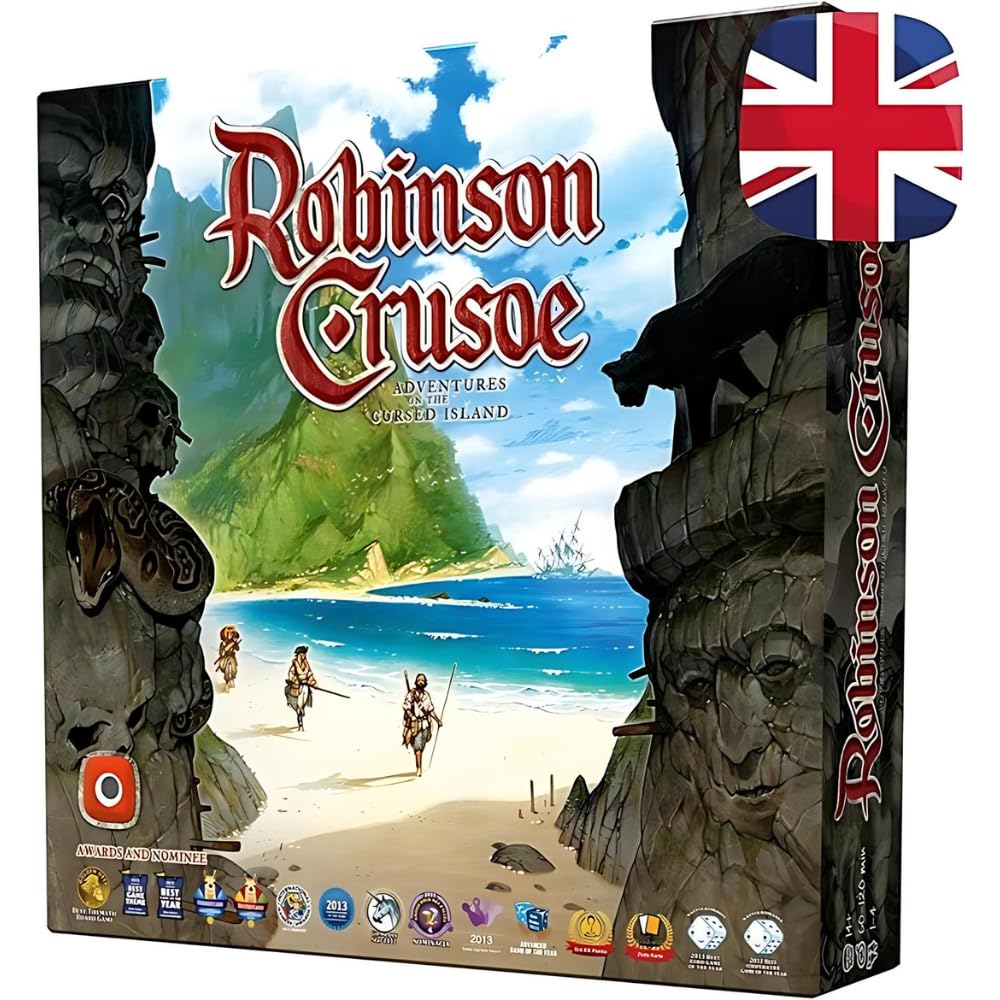
Robinson Crusoe frames military resource management as survival. You're stranded on an island and must manage food, health, building resources, and threats—including threats that actively hunt you. The "military" aspect emerges through how the game forces you to prioritize: build shelter or hunt food? Defend your camp or explore for resources? Every decision has consequences that ripple forward.
The solo experience here is about managing scarcity under pressure. The game creates genuine moments where you're barely surviving, and that tension is exactly what makes Robinson Crusoe compelling. It plays best as a narrative solo game where you're storytelling alongside the mechanics—your decisions feel like they matter because the game actively threatens your survival.
Setup and rule complexity are substantial, but the payoff is a cohesive thematic experience where the mechanics serve the story. Solo players specifically should know: this game shines in solo mode. The multiplayer experience is clunky by comparison, so if you buy it, you're buying it primarily as a solo experience.
Pros:
- Thematic depth—survival mechanics actually support the theme
- Solo scaling works through different scenarios and difficulty modifiers
- High replay value across different island scenarios
- Genuinely suspenseful resource management
Cons:
- Setup and teardown take 15-20 minutes
- Rules are dense and the rulebook isn't perfectly organized
- Can feel like you're fighting the system rather than the island
- Some scenarios are significantly harder than others without obvious balance
---
5. Spirit Island — Best Solo Military Board Game Overall
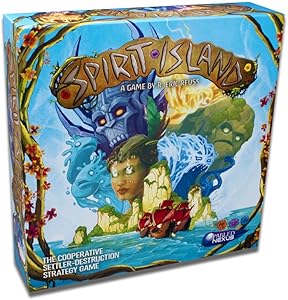
Spirit Island is the gold standard for asymmetrical solo military board games. You play as island spirits defending against colonizer invasion, and each spirit has a completely different power set. Playing as the river spirit plays nothing like playing as the mountain spirit—they have different action economies, different ways to block invaders, and different optimal strategies.
The military element is pure defense. Invaders advance across the island, build towns, and escalate their presence. Your job is to contain, repel, and eventually push them back. The tension comes from the mismatch between your powers and their mechanical advantages. They move predictably (which you can leverage), but they also grow stronger and outnumber you. The game forces you to make intelligent, efficient plays rather than just grinding through mechanics.
Difficulty scaling is phenomenal. The base game alone has a 1-8 difficulty range, so you can play casually one session and face near-impossible odds the next. Each spirit brings completely different strategic puzzles, meaning you'll play dozens of sessions before you've exhausted the base game's variety.
For solo military board games, this is the closest thing to a universal recommendation. The only real caveat: you need to be comfortable with some mechanical complexity and you have to enjoy asymmetrical powers. If you want all players (or in this case, you alone) to have equivalent abilities, Spirit Island isn't your game.
Pros:
- Best-in-class solo mode design with meaningful asymmetry
- Difficulty scaling is extensive and well-balanced
- Each spirit feels like a genuinely different game
- Excellent solo pacing and table presence
Cons:
- Rules density is high—expect a learning curve
- Spirit powers create a wide skill gap (some spirits are significantly harder than others)
- Setup takes 10 minutes
- If you don't enjoy asymmetrical gameplay, this won't appeal
---
How I Chose These
I evaluated these games on specific criteria that matter for solo military board games: first, the AI system had to be clean and intuitive (no clunky solo rulebooks that feel tacked on). Second, difficulty had to scale meaningfully—the game should be approachable for new players but offer genuine challenge for experienced ones. Third, each game needed to present meaningful decisions where your choices actually matter and lead to different outcomes. Finally, replay value matters because solo games live or die based on whether you want to play them multiple times.
I also weighted toward games where the solo experience is the primary design goal, not an afterthought. The best solo military board games feel like they were built for solo play from the ground up, and that design philosophy shows in how the mechanics interact.
Frequently Asked Questions
What's the difference between these and other cooperative board games?
These games are specifically designed for solo play, meaning the AI system or solo variant is central to how the game works, not optional. Many cooperative games can be played solo, but the best solo military board games have solo-specific mechanics and scaling that wouldn't exist in a purely cooperative context.
Do I need expansions for any of these games?
No. The base games for all five of these are completely playable and substantial on their own. Expansions add variety, but they're not required to get hundreds of hours of play.
Which of these best solo military board games is easiest to teach yourself?
Under Falling Skies has the gentlest learning curve. You can teach yourself the rules in one 30-minute session. Mage Knight and Spirit Island require more effort, but the payoff is deeper gameplay.
Can I play these with other people?
Spirit Island and Marvel Champions are solid multiplayer games. Robinson Crusoe and Under Falling Skies technically support multiplayer but work better solo. Mage Knight is purely solo.
---
If you want the deepest tactical experience, Mage Knight delivers. If you want the best overall design, Spirit Island wins. For quick sessions, Under Falling Skies is your answer. The best solo military board games on this list all solve slightly different problems, so your choice depends on whether you prioritize complexity, theme, play time, or asymmetrical powers. Start with Spirit Island if you're unsure—it's the most consistently satisfying across different player experience levels.
Get the best board game picks in your inbox
New reviews, top picks, and honest recommendations. No spam, unsubscribe anytime.