By Jamie Quinn · Updated April 11, 2026
Best Solo Multiplayer Board Games in 2026: 5 Games That Actually Deliver


Best Solo Multiplayer Board Games in 2026: 5 Games That Actually Deliver
Finding the right board game that works brilliantly whether you're playing alone or with friends is trickier than it sounds. Most games are designed for one experience or the other, forcing you to choose between depth and flexibility. The best solo multiplayer board games give you both—they're rich enough to hold your attention as a solo challenge and engaging enough that adding players doesn't feel like a compromise.
Quick Answer
Spirit Island is the standout choice for most players. It's a collaborative game where you control spirits defending an island from colonizers, with a solo mode that delivers the same strategic depth as multiplayer sessions. You get genuine puzzle-solving, meaningful choices, and a game that respects your intelligence whether you're playing alone or with others.
Our Top Picks
| Product | Best For | Price |
|---|---|---|
| Spirit Island | Asymmetrical gameplay and deep strategy | $58.12 |
| Mage Knight Board Game | Complex solo challenge with multiplayer options | $149.95 |
| Robinson Crusoe: Adventures on the Cursed Island | Thematic survival stories | $54.55 |
| Under Falling Skies | Quick, tense solo experiences | $56.07 |
| Marvel Champions: The Card Game | Superhero theme with flexible player counts | $55.99 |
Detailed Reviews
1. Spirit Island — Asymmetrical Powers Meet Deep Strategy
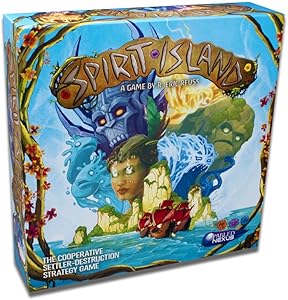
Spirit Island stands out because it doesn't compromise whether you're solo or multiplayer. You play as spirits with wildly different abilities—one might manipulate growth and reclamation while another focuses on fear and dread. The colonizers follow predictable patterns, which sounds limiting until you realize you're orchestrating a dance where every action matters. Solo, you control multiple spirits and manage the island's defense. Add players and each person guides their own spirit, but the puzzle remains equally satisfying.
The game shines because of its asymmetry. No two spirits play the same way, which means even replaying solo feels fresh. The difficulty scales genuinely—there are actual learning curves, not just stat adjustments. A beginner spirit like Earth might take 10 minutes per turn while Serpent (with complex growth mechanics) takes 20. That's not a flaw; it's depth that rewards learning.
I should mention the rulebook is dense. Spirit Island doesn't hold your hand through early games, and setup takes 15 minutes. But this complexity is the source of its richness. If you want something you can teach to casual players in 10 minutes, look elsewhere.
Pros:
- Each spirit plays entirely differently, creating genuine replayability
- Solo mode feels equally strategic as multiplayer
- Gorgeous components and thoughtful design
- Scales difficulty without feeling artificial
Cons:
- Steep learning curve and rulebook can overwhelm new players
- 90-120 minutes per game is substantial
- Component organization requires custom solutions
2. Mage Knight Board Game — A Solo Puzzle Wrapped in Adventure

Mage Knight is expensive, but it's expensive for a reason. This is genuinely one of the best solo multiplayer board games ever designed. You play as a mage exploring a fantasy world, taking turns conquering cities, recruiting allies, and managing a hand of spells and abilities. Every decision branches into multiple consequences—should you heal now or save your magic for attack?
The core brilliance is the card system. Your cards do multiple things depending on how you use them. Play a card for attack value and you can't use its defense benefit. Commit it to a spell and you're locked into that resource. This creates dozens of micro-puzzles per turn. Solo, you're solving against the game's AI systems (which feel natural, never cheap). Multiplayer, you're solving around other players' choices.
Mage Knight genuinely plays differently at different player counts. Solo feels like an intricate puzzle. Two players becomes negotiation and planning. Three becomes controlled chaos. The game scales because it's fundamentally about decision management, not about scaling numbers.
Fair warning: Mage Knight can take 2-3 hours, even solo. The learning curve is steep enough that your first few games will feel slower as you reference rules. And at $149.95, it's an investment. But if you want a game that occupies your brain cells like a complex strategy puzzle, this is it.
Pros:
- Exceptional card system with multiple uses per card
- Legitimate difficulty spikes and achievement moments
- Plays great at any player count from 1-4
- Hundreds of hours of content through varied scenarios
Cons:
- Steep price point
- Rules complexity requires 30-45 minutes to fully grasp
- Game length (2-3 hours) limits casual play sessions
- Component storage is a logistical challenge
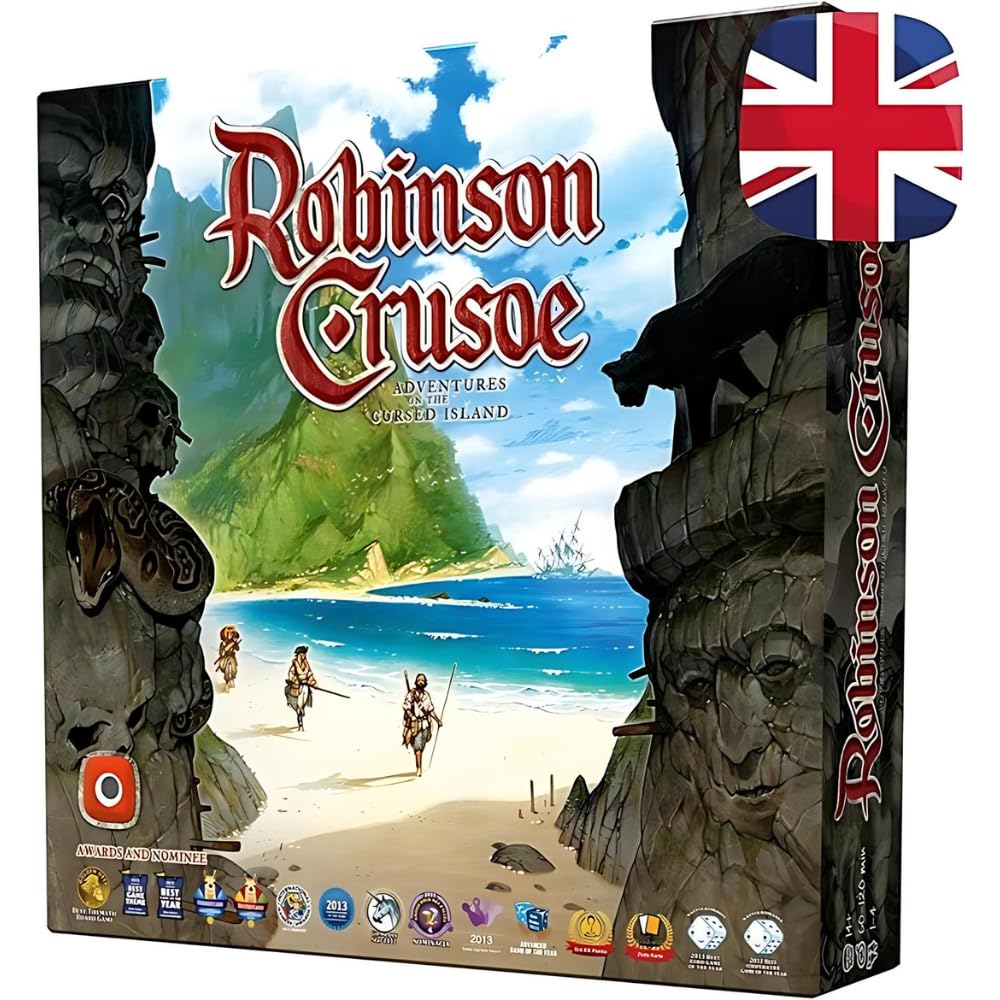
3. Robinson Crusoe: Adventures on the Cursed Island — Narrative Survival Stories
Robinson Crusoe nails something most board games miss: genuine narrative progression. You're not just solving mechanical puzzles; you're living a story about survival. Each game is a scenario—Shipwreck, Friday's Rescue, Cannibal Island—and each scenario tells a different story with different victory conditions.
The solo experience is its strongest suit, though it accommodates multiplayer. Solo, you control your character and make all decisions, creating tension through resource scarcity (food, wood, health). With players, you're coordinating team efforts and deciding who does what. The game creates natural conflict without being competitive—you're all trying to survive together.
What makes Robinson Crusoe special is how thematic it feels. You're not managing abstract resources; you're managing hunger, weather, and injury. Hunting for food actually feels risky. Building shelter feels rewarding. The scenarios are genuinely different enough that you want to replay them.
The catch: Robinson Crusoe is notoriously difficult. Most scenarios are brutal, especially on first attempts. If you play to win, you'll lose more than you'll succeed. This works for some players and frustrates others. The game compensates with scaling difficulty, but even on easy, it's genuinely challenging. This makes victory feel earned rather than expected.
Pros:
- Thematic narrative that creates immersion
- Each scenario plays distinctly differently
- Excellent solo experience with authentic multiplayer
- Genuine difficulty that rewards strategy
Cons:
- Very challenging difficulty can frustrate casual players
- Setup takes 10-15 minutes per game
- Some scenarios feel unbalanced on first play
- Rulebook organization could be clearer
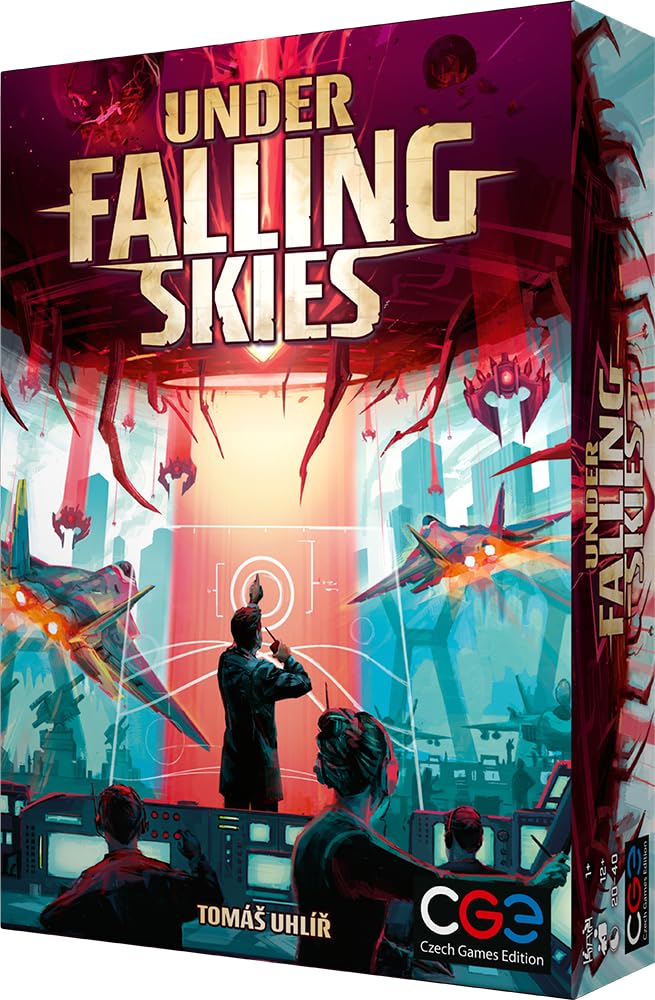
4. Under Falling Skies — Tense Solo Alien Defense
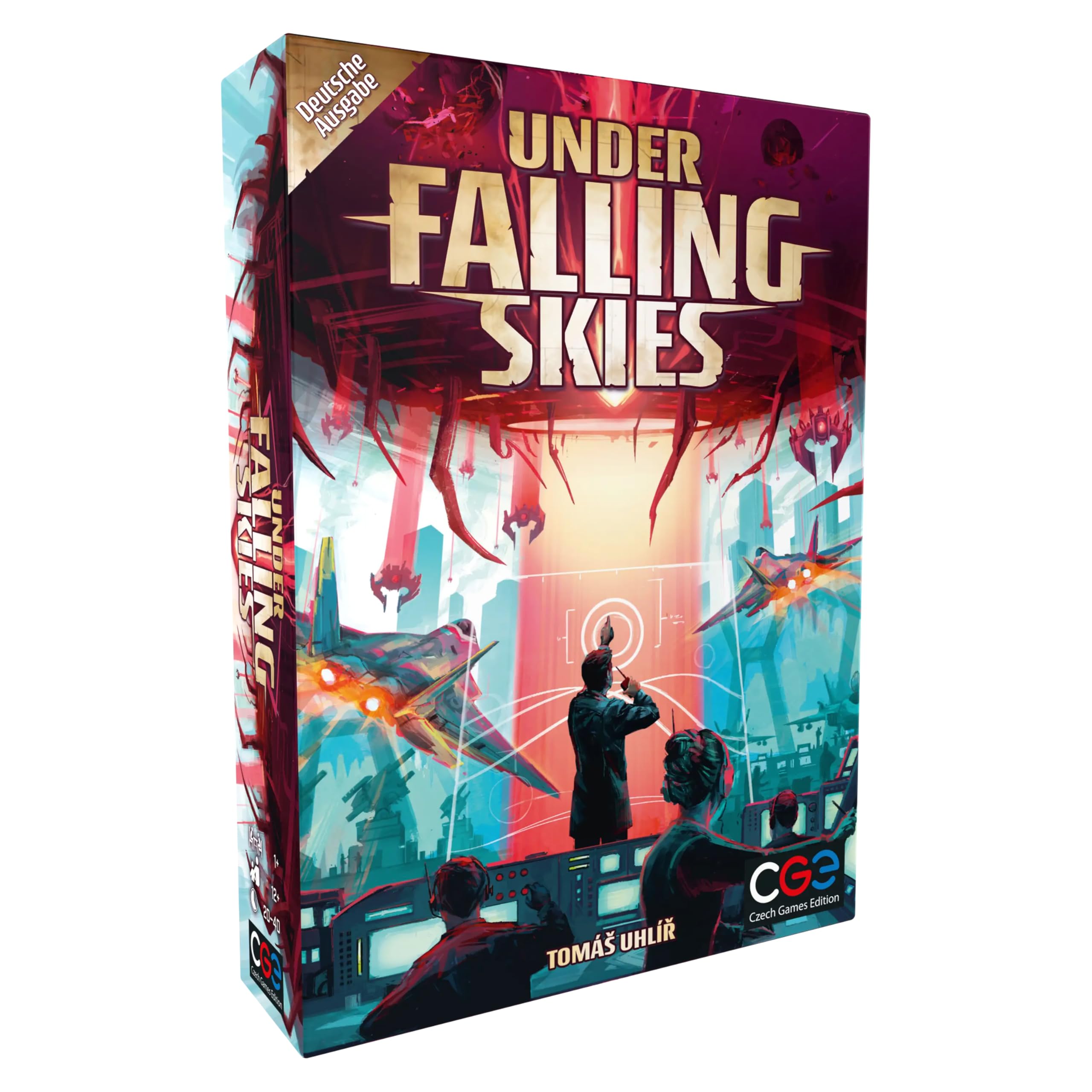
Under Falling Skies is fundamentally a solo game that works with others. You're controlling a city under alien invasion, placing dice to build defenses and research upgrades while aliens descend each turn. The aliens are relentless—they get stronger, they move closer, and you're always one bad turn away from losing.
This is the perfect game if you want something that plays in 30-45 minutes. No lengthy rulebooks, no 3-hour time commitment. You roll dice, you place them strategically, aliens attack—that's the game. The depth comes from dice placement. Your dice values determine what you can accomplish, and you need to plan around uncertainty. Do you spend your best die on defense now or save it for research?
The multiplayer version lets each player control a different building (Lab, Gun Tower, Shield Generator) with shared dice. It's fundamentally cooperative, though each player has specific priorities. This creates interesting negotiation about what gets priority.
Under Falling Skies works as a best solo multiplayer board game specifically because it doesn't pretend to be something it's not. It's a compact, focused experience that delivers equally whether you're solo or with friends. It's not trying to be an epic adventure; it's trying to be tense, well-paced, and fun.
Pros:
- Short playtime (30-45 minutes) perfect for casual sessions
- Clean, intuitive ruleset with surprising depth
- Great dice-placement mechanics
- Excellent solo mode that carries to multiplayer
Cons:
- Lacking narrative or thematic immersion
- Can feel repetitive over many plays
- Multiplayer mode feels less compelling than solo
- Limited component quality at this price
5. Marvel Champions: The Card Game — Superhero Flexibility at Scale
Marvel Champions is a living card game where you play as Marvel heroes fighting iconic villains. The core game includes Spider-Man, Captain Marvel, and Iron Man each with customizable decks. You defeat enemies and accumulate damage, with the villain building their own threat board.
The solo experience is genuinely engaging because villains have distinct abilities. Rhino plays differently than Klaw, which plays differently than Ultron. This creates puzzle-solving—figuring out which hero's deck counters which villain. Multiplayer multiplies this: one player might focus on damage while another manages threat, creating role specialization.
Marvel Champions is specifically designed to grow. The base game is self-contained and plays great, but expansions add heroes and villains that dramatically expand possibilities. This modularity makes it feel like the best solo multiplayer board games that respect your time investment—you're not locked into one setup.
The accessibility is notable. If you've played any card game, you understand Marvel Champions in 15 minutes. New players can jump in immediately. This makes it fantastic for introducing people to hobby board games without overwhelming them.
The limitation is depth. After 10-15 plays, you'll start seeing patterns. The base game's hero variety is limited (Spider-Man plays support, Iron Man plays tech, Captain Marvel plays aggression). Expansions help, but the core experience is lighter than something like Mage Knight or Spirit Island.
Pros:
- Accessible ruleset with surprising strategic depth
- Great solo experience that feels complete at base game
- Modular expansion system adds significant variety
- Licensed IP executed thoughtfully (not just IP slapped on mechanics)
Cons:
- Less strategically complex than heavy strategy games
- Base game villain variety is somewhat limited
- Expansion model means ongoing investment for full experience
- Can feel mechanical rather than thematic at times
How I Chose These
The best solo multiplayer board games need to solve a specific problem: they must be equally engaging whether you're playing alone or with others. I evaluated each game on whether the solo and multiplayer experiences felt intentional rather than bolted-on.
I weighed mechanical depth (games should reward learning and strategic thinking), thematic resonance (narrative and theme matter even in abstract games), and time investment (you should know what you're committing to). I also considered accessibility—how quickly someone new to board games can meaningfully engage.
Player count scalability matters deeply here. Games that feel like they lose something when you add or remove players aren't truly best solo multiplayer board games; they're just good games that happen to have multiple modes. The five games I selected genuinely feel like they belong to their player count while maintaining quality.
Frequently Asked Questions
Can I play these games competitively if I want to?
Most of these are cooperative or semi-cooperative. Mage Knight and Marvel Champions offer competitive multiplayer variants, though they're designed for cooperation. If you specifically need competitive games playable solo and multiplayer, check two-player games instead.
Which game is best for introducing friends to hobby board games?
Marvel Champions. It's the most accessible entry point with the shortest learning curve. Under Falling Skies is close, but Marvel Champions' IP appeal helps pull in new players. Spirit Island and Mage Knight are for people already invested in strategic gaming.
Do I need expansions to get good solo multiplayer board games experiences?
No. Every game here is complete and excellent out of the box. Expansions enhance variety, but they're not required for enjoyment. Mage Knight and Spirit Island are particularly generous with content in the base game.
How much table space do these require?
Mage Knight and Robinson Crusoe need 3x3 feet minimum. Spirit Island needs about the same. Under Falling Skies and Marvel Champions play comfortably on a standard dinner table. If you're space-constrained, Under Falling Skies is your best bet.
Are these good for people who like cooperative games?
Yes—four of the five (Spirit Island, Robinson Crusoe, Under Falling Skies, Marvel Champions) are cooperative. Mage Knight is competitive but solvable solo. If cooperative games are your preference, these are excellent choices.
The best solo multiplayer board games aren't a compromise between two experiences—they're games where both solo and multiplayer feel like the intended way to play. Pick whichever matches your patience for complexity and available time. Start with Marvel Champions or Under Falling Skies if you want accessible entry points, or jump straight to Spirit Island if you want something that'll reward hundreds of hours of learning.
Get the best board game picks in your inbox
New reviews, top picks, and honest recommendations. No spam, unsubscribe anytime.