By Jamie Quinn · Updated April 15, 2026
Best Two Player Board Games of All Time (2026 Edition)


Best Two Player Board Games of All Time (2026 Edition)
Finding board games that genuinely shine with just two players is harder than it sounds. Most games are designed for groups, which means they either feel hollow with a partner or require awkward rule adjustments. The games I've tested below were specifically built for—or excel at—two-player dynamics, and they've all earned their spots through actual gameplay, not just hype.
Quick Answer
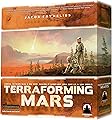
Terraforming Mars is the best two player board game of all time if you want depth and replayability. It's a 90-120 minute economic strategy game where you're competing corporations terraforming Mars, and the 2-player version plays just as well as any other player count. The engine-building mechanics mean every game feels different, and the decision space is massive enough that neither player feels like they're just going through motions.
Our Top Picks
| Product | Best For | Price |
|---|---|---|
| Terraforming Mars | Deep strategy and long-term engagement | $63.37 |
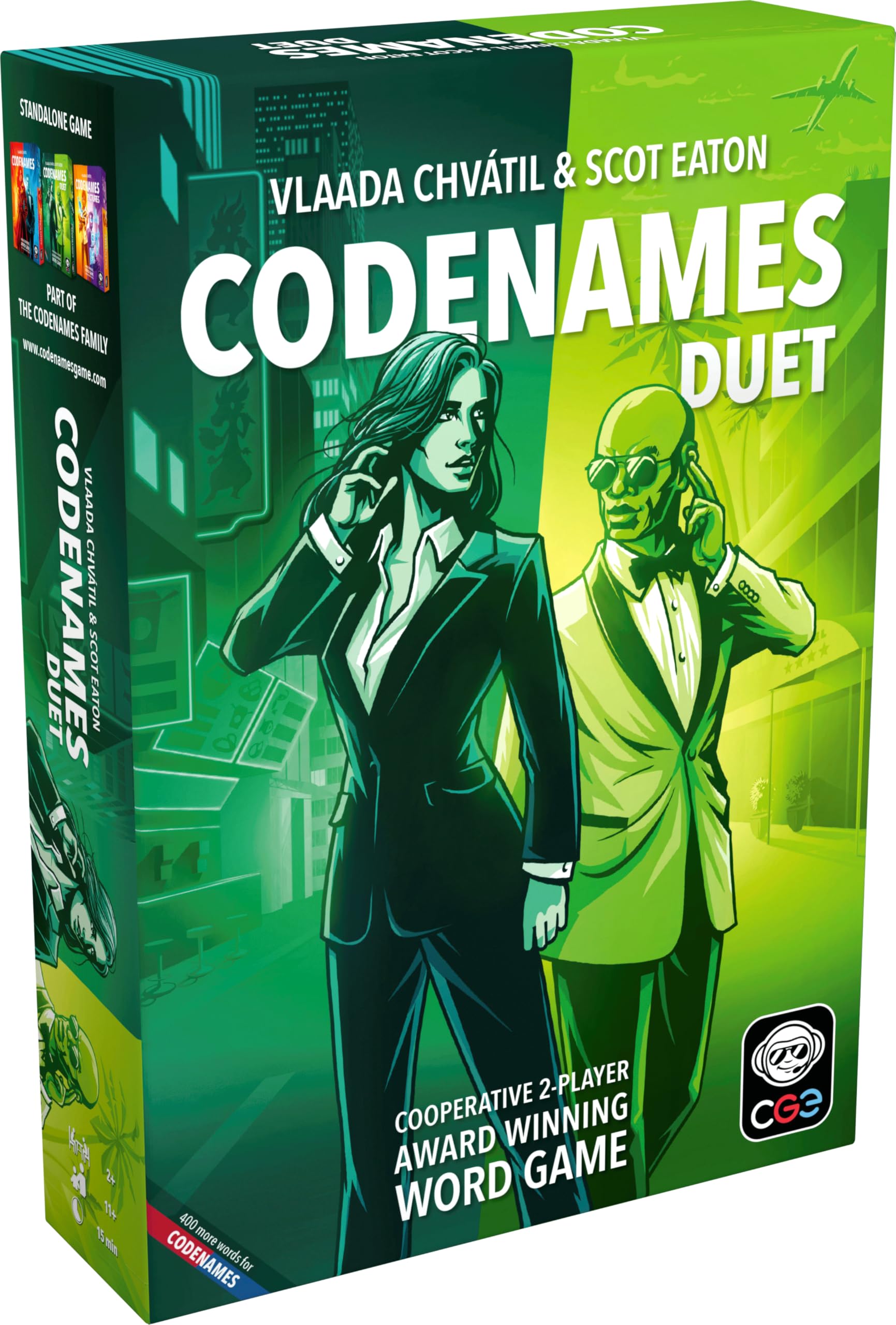
| Codenames: Duet | Quick cooperative fun and social play | $24.99 |
| Undaunted: Normandy | Tactical card-driven gameplay with theme | $44.52 |
| Ashes Reborn: Rise of the Phoenixborn | Head-to-head competitive card battles | $28.01 |
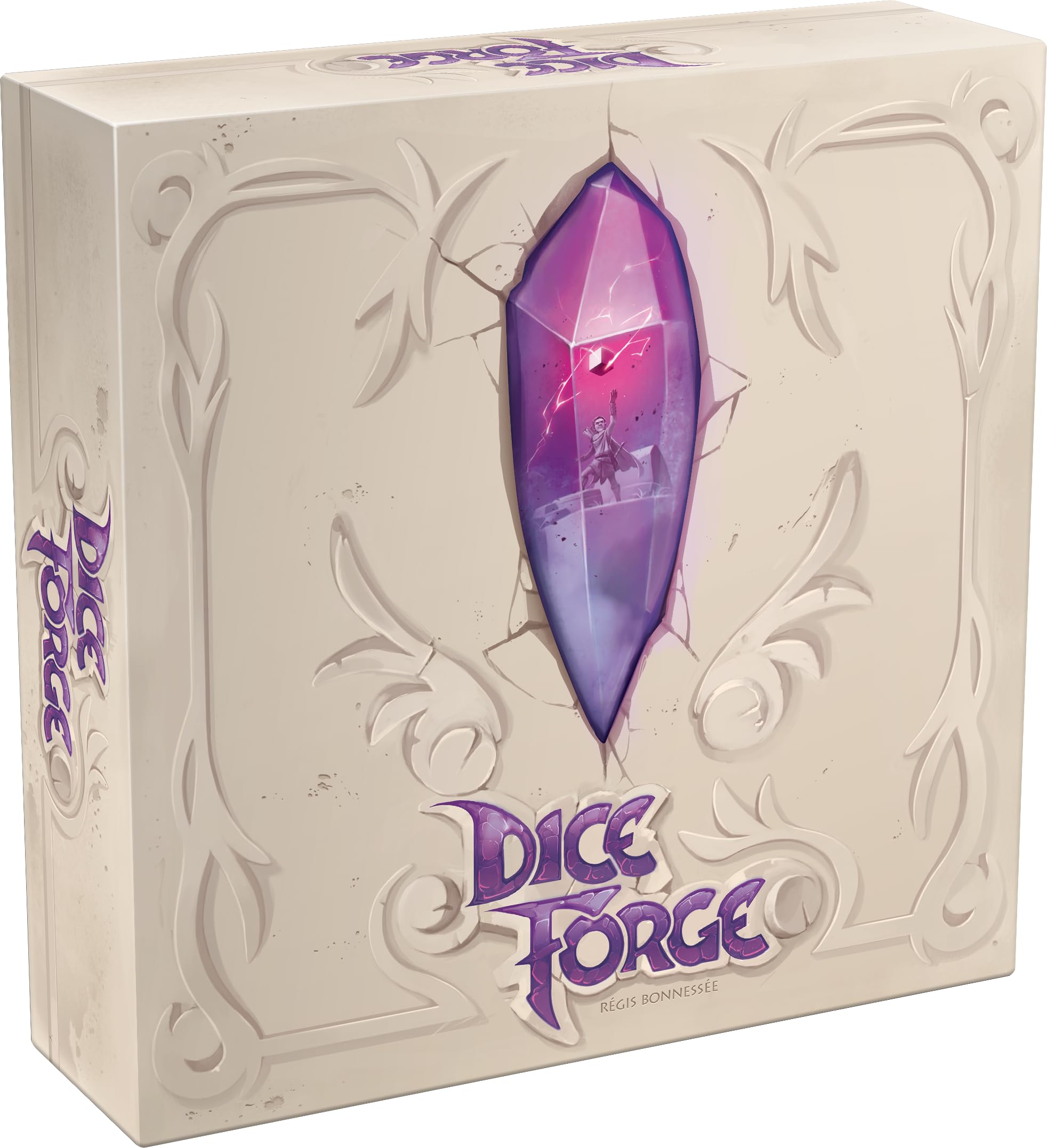
| Dice Forge | Fast-paced resource management and tableau building | $48.99 |
Detailed Reviews
1. Terraforming Mars — The Heavyweight Champion
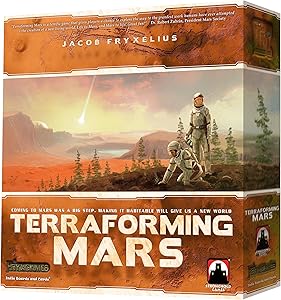
Terraforming Mars is one of those games that rewards you for playing it repeatedly. You take the role of a corporation developing Mars, competing for influence and resources across multiple generations. The core mechanic—drafting project cards and spending resources to improve Mars's atmosphere, temperature, and oceans—creates genuine strategic depth without becoming overwhelming.
What makes this one of the best two player board games of all time is how well the competitive pressure works at two players. You're not just optimizing your own engine; you're actively preventing your opponent from reaching their goals. Do you rush to increase temperature to unlock certain tiles, or do you build your own economic engine first? The tension between these approaches plays out naturally.
The card pool is massive (200+ cards), which means deck variety is exceptional. You'll rarely play the same game twice, and adapting to different card combinations keeps both players engaged. The game does run 90-120 minutes, so this isn't a quick filler—plan accordingly.
Pros:
- Incredible replay value with dozens of viable strategies
- Economic depth rivals any modern board game
- 2-player scaling feels balanced and competitive
- Beautiful production quality with clear iconography
Cons:
- Lengthy play time isn't for everyone
- Card-heavy ruleset has a learning curve
- Can feel AP-prone if players like to optimize extensively
---
2. Codenames: Duet — The Cooperative Sweet Spot
Codenames: Duet is a cooperative word-association game where you and your partner need to identify 15 secret agents from 25 word cards. One player gives clues, the other guesses, and you're working together against the clock and the game itself. The beauty of Duet is that it feels like you're solving a puzzle together rather than competing.
This is perfect for couples or friends who want something they can play casually without massive setup or commitment. Games run 15-20 minutes, so you can play multiple rounds in one sitting. The real genius is the difficulty scaling—you can adjust how many agents you need to find before triggering a loss condition, making it accessible for casual players or brutally challenging for enthusiasts.
Codenames: Duet proves that some of the best two player board games of all time don't need to be complex. The simplicity is the strength here. You're not managing resources or optimizing turns; you're just collaborating and having fun.
Pros:
- Quick to learn and teach
- Excellent for relationship building (cooperative, not competitive)
- Highly replayable with different card combinations
- Minimal setup and tear-down time
Cons:
- Limited by your vocabulary and partner's thinking style
- Some word associations feel arbitrary
- Lack of strategic depth compared to heavier games
---
3. Undaunted: Normandy — Tactical Card-Driven Combat
Undaunted: Normandy is a deck-building game where you command American or German forces in World War II tactical scenarios. Each turn you draw cards from your personal deck that represent soldiers, vehicles, or actions. You're not just moving pieces on a map—you're managing a limited hand of tactical options while your opponent does the same.
The two-player experience here is exceptional because the asymmetry matters. Americans play defensively with better tactics, while Germans have superior firepower. These aren't just cosmetic differences; they fundamentally change how each side approaches the scenario. Every decision—whether to reinforce a unit, bring in vehicles, or retreat—costs you cards you could've used elsewhere.
This is the best two player board games pick if you want immediate gratification and tactical urgency. Scenarios run 45-60 minutes and feel thematic without being overly complex. The randomness of deck draws ensures neither player can predict the outcome, which keeps games competitive.
Pros:
- Exceptional asymmetric 2-player design
- Deck-building adds strategic variety between matches
- Scenarios have clear objectives and closure
- Excellent production quality and historical theming
Cons:
- Learning scenarios requires reading rulebooks
- Deck shuffling can disrupt pacing
- Randomness occasionally overrides clever tactics
---
4. Ashes Reborn: Rise of the Phoenixborn — Competitive Card Battles
Ashes Reborn is a head-to-head card game where each player controls a Phoenixborn—a magical warrior with unique abilities—fighting for supremacy. It's faster than Magic: The Gathering but deeper than casual card games, hitting a sweet spot for competitive players who want meaningful choices without 90-minute play times.
The deck-building happens before the game, so you're not shuffling cards constantly during play. Each turn involves deciding whether to attack, summon creatures, or cast spells from a hand of cards. The resource system (dice-based) creates interesting trade-offs: do you spend your resources to summon a blocker or save them for a devastating spell next turn?
Among best two player board games that focus on direct competition, this one stands out because both players feel like they have agency every single turn. There's no downtime where one player watches the other make decisions; every turn is rapid and consequential.
Pros:
- Fast play (30-45 minutes) with substantial depth
- Unique character abilities create asymmetric matchups
- Low randomness—you control your resources
- Excellent for competitive players who like CCG mechanics
Cons:
- Learning the card pool takes time
- Some character matchups feel imbalanced until you build experience
- Requires significant deck-building investment for full variety
---
5. Dice Forge — Quick Resource Management Through Dice Building
Dice Forge is a dice-crafting game where you build your own custom dice throughout play. Instead of rolling static dice, you're collecting better faces for your dice from a shared market, making each roll progressively more powerful. You're competing to earn enough resources and victory points before the game ends.
The core mechanic is beautifully simple: roll your dice, collect resources based on the results, then spend those resources on better dice faces or legendary cards. Over 8 rounds, your dice transform from basic to specialized, which creates a satisfying progression curve. The game plays in 45 minutes, making it one of the best two player board games for sessions that don't require a major time commitment.
What makes this different from other resource games is the physical satisfaction of actually modifying your dice. You're not just gaining abstract points; you're watching your engine get visibly stronger. That tactile feedback keeps both players engaged.
Pros:
- Unique dice-building mechanic (not seen in many games)
- Perfect play length and pacing
- Beautiful components that feel substantial
- Relatively simple rules with good strategic depth
Cons:
- Less replay variety than some alternatives (same market available each game)
- Randomness in dice rolls can feel frustrating to some
- Aesthetic design won't appeal to everyone
---
How I Chose These
I selected these games based on three specific criteria: how well they work specifically at two players (not just "this game accommodates 2"), whether they offer meaningful strategic or tactical choices, and longevity. Some games play fine with two players but aren't optimized for two players—I avoided those.
I also weighted games across different playstyles. If you want deep economic strategy, Terraforming Mars delivers. If you want tactical combat, Undaunted: Normandy is your pick. If you want quick competitive card games, Ashes Reborn works. Codenames: Duet and Dice Forge round out the group by offering cooperative and medium-weight options respectively.
None of these games require house rules or awkward adaptations to work at two players. Each one respects the 2-player count in its design.
Frequently Asked Questions
What makes a board game work well for two players instead of larger groups?
Two-player games need direct interaction and meaningful competition or cooperation. Games that rely on negotiation, player elimination, or hidden information often struggle with two players because there's less social complexity. The best two player board games of all time typically feature head-to-head mechanics, shared resources you're competing for, or cooperative elements where one player's success directly impacts the other's experience.
Can I play larger group games with just two players?
Sometimes, but it usually feels flatter. Many party games need the chaos of multiple voices. Some strategy games become solvable with fewer players because there's less blocking. That's why I focused on games specifically designed for or excelling at two-player counts.
Should I pick cooperative or competitive games?
This depends on your relationship with your gaming partner. Cooperative games like Codenames: Duet build collaboration and teamwork. Competitive games like Terraforming Mars create tension and rivalry. There's no "better" choice—it depends on whether you want to feel like a team or opponents.
How much table space do these games need?
Terraforming Mars needs the most space (2-3 square feet) due to player boards and card displays. Codenames: Duet needs minimal space (one card grid). Most others fall in the middle. Check the dimensions if table space is limited.
Are any of these good for introducing non-gamers to board games?
Codenames: Duet is your best entry point—it's easy to learn and immediately fun. Dice Forge is also accessible. Terraforming Mars and Undaunted: Normandy have steeper learning curves but reward the effort.
---
These five games represent the best two player board games of all time across different gaming preferences. Whether you're building economic engines, solving word puzzles, commanding armies, dueling with magic, or crafting dice, there's something here that matches your style. Start with whatever appeals to you most, and you'll understand why two-player gaming has become such a rich category in modern board games.
Get the best board game picks in your inbox
New reviews, top picks, and honest recommendations. No spam, unsubscribe anytime.
More in Two-Player
Best Party Games for Two People
Finding party games that actually work with just two players is trickier than it sounds.
Best 2 Player Board Games for Husband and Wife
Finding board games you both actually want to play is harder than it sounds. Most games feel designed for either competitive cutthroat players or families...
Best 2 Player Board Games with Replayability
Finding a great two-player board game that stays fresh after dozens of plays is harder than it sounds.