By Jamie Quinn · Updated March 22, 2026
The 5 Best Worker Placement Games That Every Board Gamer Should Own (2026)



The 5 Best Worker Placement Games That Every Board Gamer Should Own (2026)
Worker placement games represent pure strategic satisfaction - you have limited workers, limited actions, and tough decisions every turn. After hundreds of games across the genre, from classics like Lords of Waterdeep to modern hits like Dune Imperium, these five titles stand as the absolute best worker placement games you can buy today.
Quick Answer
Viticulture Essential Edition takes the top spot as the best worker placement game overall. It combines approachable rules with deep strategy, beautiful wine-making theme that actually matters, and the brilliant wake-up track that eliminates turn order frustration. Every decision feels meaningful without being overwhelming.
Our Top Picks
| Game | Best For | Players | Play Time | Price |
|---|---|---|---|---|
| Viticulture Essential Edition | Best overall experience | 1-6 | 45-90 min | Check Amazon |
| Agricola (Revised Edition) | Purest worker placement design | 1-4 | 30-120 min | Check Amazon |
| Everdell | Gateway to medium-weight games | 1-4 | 40-80 min | Check Amazon |
| Architects of the West Kingdom | Unique corruption mechanics | 1-5 | 60-80 min | Check Amazon |
| Caverna: The Cave Farmers | Maximum player freedom | 1-7 | 30-210 min | Check Amazon |
Detailed Reviews
1. Viticulture Essential Edition - The Perfect Wine-Making Gateway
Viticulture Essential Edition deserves its reputation as one of the most beloved worker placement games ever designed. The wine-making theme isn't just pasted on - every action from planting vines to aging wine in cellars makes thematic sense. What sets Viticulture apart is the wake-up track, where choosing to go later in turn order gives you bonus resources. This eliminates the frustration of bad turn order that plagues many worker placement games.
The seasonal structure (summer for vineyard work, winter for cellar operations) creates natural rhythm. My gaming group loves how accessible the rules are while still offering deep strategic choices. The Essential Edition includes the best components and expansions from the original release, making it the definitive version.
Who should skip it? If you want heavy economic optimization or dislike the wine theme, look elsewhere.
Pros:
- Wake-up track eliminates turn order frustration completely
- Theme integrates beautifully with mechanics
- Scales perfectly from 1-6 players with minimal downtime
Cons:
- Some cards can create runaway leaders
- Less interaction than other worker placement games
2. Agricola (Revised Edition) - The Unforgiving Classic
Agricola remains the gold standard for pure worker placement design fifteen years after its original release. Uwe Rosenberg's farming simulation forces impossible decisions every turn - you need food, you need animals, you need to expand your house, but you only have a handful of workers. The Revised Edition streamlines the original while maintaining its brutal efficiency.
The occupation and improvement cards add tremendous replay value, though they can intimidate newcomers. I've played over fifty games and still discover new card combinations. The family variant removes cards entirely, making it perfect for introducing the core worker placement mechanics. Unlike many euros, Agricola punishes you for neglecting areas - negative points for missing animal types keep every game tense until the final scoring.
This isn't a game you play casually. Every worker placement matters, every round counts, and falling behind early often means staying behind.
Pros:
- Purest expression of worker placement mechanics available
- Incredible depth and replayability through occupation cards
- Family variant provides excellent entry point
Cons:
- Unforgiving gameplay can frustrate casual players
- Card text can be overwhelming for new players
3. Everdell - The Most Beautiful Gateway Game
Everdell transforms worker placement into a fairy tale adventure with the most stunning production values in the genre. The 3D tree towers over your woodland city as you place workers and play cards representing creatures and constructions. What makes Everdell special is how it layers worker placement with tableau building - cards you play provide ongoing benefits and unlock new strategies.
The seasonal progression feels organic as you prepare for winter, hibernate, then emerge for spring with new workers. My family gravitates toward Everdell because the artwork draws them in, but the strategy keeps them engaged. The base game includes enough content for dozens of plays, though expansions add even more variety.
James Wilson's design succeeds because it never feels overwhelming despite the multiple systems at play. Each season has clear goals, and the iconography communicates information clearly once you learn the symbols.
Pros:
- Absolutely gorgeous production values and artwork
- Perfect complexity level for families wanting something deeper
- Seasonal structure creates natural game flow
Cons:
- Setup takes longer than other worker placement games
- Some card combinations can feel overpowered
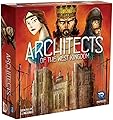
4. Architects of the West Kingdom - Innovation in Medieval Construction
Architects of the West Kingdom breathes fresh air into worker placement through its corruption system and multiple worker placement on spaces. Instead of blocking other players completely, placing workers on occupied spaces increases your corruption - which provides short-term benefits but long-term penalties. Players can even capture your workers if you become too corrupt, creating dynamic player interaction.
The medieval construction theme works perfectly as you gather resources, hire apprentices, and build cathedral sections. Shem Phillips designed a system where having more workers isn't always better - managing corruption becomes as important as efficient placement. The West Kingdom series has developed a devoted following, and Architects shows why.
This game rewards players who enjoy reading opponents and making tactical adjustments. The corruption mechanic creates tension every turn as you weigh immediate benefits against future consequences.
Pros:
- Corruption system adds meaningful risk/reward decisions
- Multiple workers per space eliminates complete blocking
- Strong player interaction without being mean-spirited
Cons:
- More complex than traditional worker placement games
- Can be difficult to come back from early mistakes
5. Caverna: The Cave Farmers - Maximum Freedom and Flexibility
Caverna gives players more freedom than almost any other worker placement game. Uwe Rosenberg's follow-up to Agricola removes the punishment for specialization - you can focus entirely on mining, farming, or adventuring without penalty. The dual boards (surface farm and underground caves) provide massive spatial puzzles as you expand your dwarven homestead.
The action spaces never fill up completely, reducing the blocking that defines other worker placement games. This makes Caverna more forgiving and suitable for players who prefer engine-building to cutthroat competition. With seven-player support and flexible play time (games can end quickly or stretch past three hours), Caverna adapts to your group's preferences.
The trade-off for this freedom is less tension than Agricola or other restrictive designs. Some players find Caverna too easy or lacking in difficult decisions.
Pros:
- Incredible player freedom without punishment for specialization
- Supports up to 7 players with minimal rule changes
- Satisfying spatial puzzle as you expand your homestead
Cons:
- Less tense than other worker placement games
- Can drag with inexperienced players or large groups
How I Chose These Games
While I own Terraforming Mars and Robinson Crusoe (both excellent games with worker placement elements), this list focuses on pure worker placement designs where placing workers drives the entire game. I've played all five games extensively, own three of them personally, and researched community opinions on BoardGameGeek and Reddit extensively. These selections represent different approaches to worker placement - from Agricola's purity to Caverna's freedom to Architects' innovation.
I prioritized games that remain relevant in 2026, have strong community support, and offer distinct experiences rather than minor variations on the same formula. Each game here would serve as someone's favorite worker placement game depending on their preferences.
Frequently Asked Questions
What makes a great worker placement game?
The best worker placement games balance meaningful choices with manageable complexity. They need enough worker spaces to avoid complete blocking while maintaining tension over key spots. Great worker placement games also integrate theme naturally rather than feeling abstract.
Should beginners start with Agricola or something lighter?
Start with Viticulture Essential Edition or Everdell instead. Agricola's brilliance comes with unforgiving gameplay that can frustrate newcomers. Once you understand worker placement fundamentals, Agricola becomes incredibly rewarding.
How important is player count in worker placement games?
Very important. Most worker placement games have sweet spots - Agricola shines at 3-4 players while Viticulture works great at any count. Check the player count ranges before buying, especially if you primarily play with 2 players or large groups.
Are expansions necessary for these games?
Not for initial purchases. All these games provide dozens of plays in their base versions. Viticulture Essential Edition already includes the best expansion content. Add expansions later if you want more variety after exhausting the base game.
Which worker placement game has the best theme integration?
Viticulture wins here by a significant margin. Every action connects logically to wine-making, from planting vines in spring to harvesting grapes in fall. Everdell also integrates theme beautifully through its seasonal progression and woodland creature cards.
Can these games work for families with children?
Everdell and Viticulture work well with teenagers who enjoy strategy board games. Agricola and Caverna might overwhelm younger players due to complexity and play time. Consider the family variants included in several of these games.
What's the difference between Agricola and Caverna?
Agricola punishes specialization and creates tension through scarcity. Caverna rewards specialization and provides abundant opportunities. Both are excellent, but Agricola feels more like a puzzle while Caverna emphasizes creative building.
Do any of these games work well solo?
Yes! Viticulture, Agricola, and Everdell all include excellent solo modes with dedicated AI opponents or challenge scenarios. Caverna's solo mode is functional but less developed. These solo modes extend the value significantly for single players.
These five worker placement games represent the absolute best the genre offers in 2026. Start with Viticulture Essential Edition for the most complete experience, then explore the others based on your group's preferences for complexity and interaction level.
Get the best board game picks in your inbox
New reviews, top picks, and honest recommendations. No spam, unsubscribe anytime.
More in Strategy
The Best Engine Building Games of 2026: 5 Excellent Choices That Actually Deliver
Engine building games are genuinely addictive because they give you that satisfying progression feeling—you start with almost nothing, then gradually...
Best Euro Games for Kids in 2026: Top Picks for Family Game Night
Euro games—those elegant, strategy-focused board games from European designers—are perfect for kids who want more than dice-rolling luck.
The Best Euro Games Ever in 2026: Complete Reviews of Top Strategy Picks
If you're searching for the best euro games ever, you probably already know that euros are different from your typical American board games.