By Jamie Quinn · Updated April 12, 2026
The Best Family Friendly Board Games for Game Night in 2026


The Best Family Friendly Board Games for Game Night in 2026
Finding the right board games that actually keep everyone at the table happy—kids, teens, and adults included—is harder than it sounds. You need games that don't drag on forever, don't require a PhD to understand, and genuinely make people want to play again next week. I've tested dozens of options, and the games below are the ones that consistently deliver on those promises.
Quick Answer
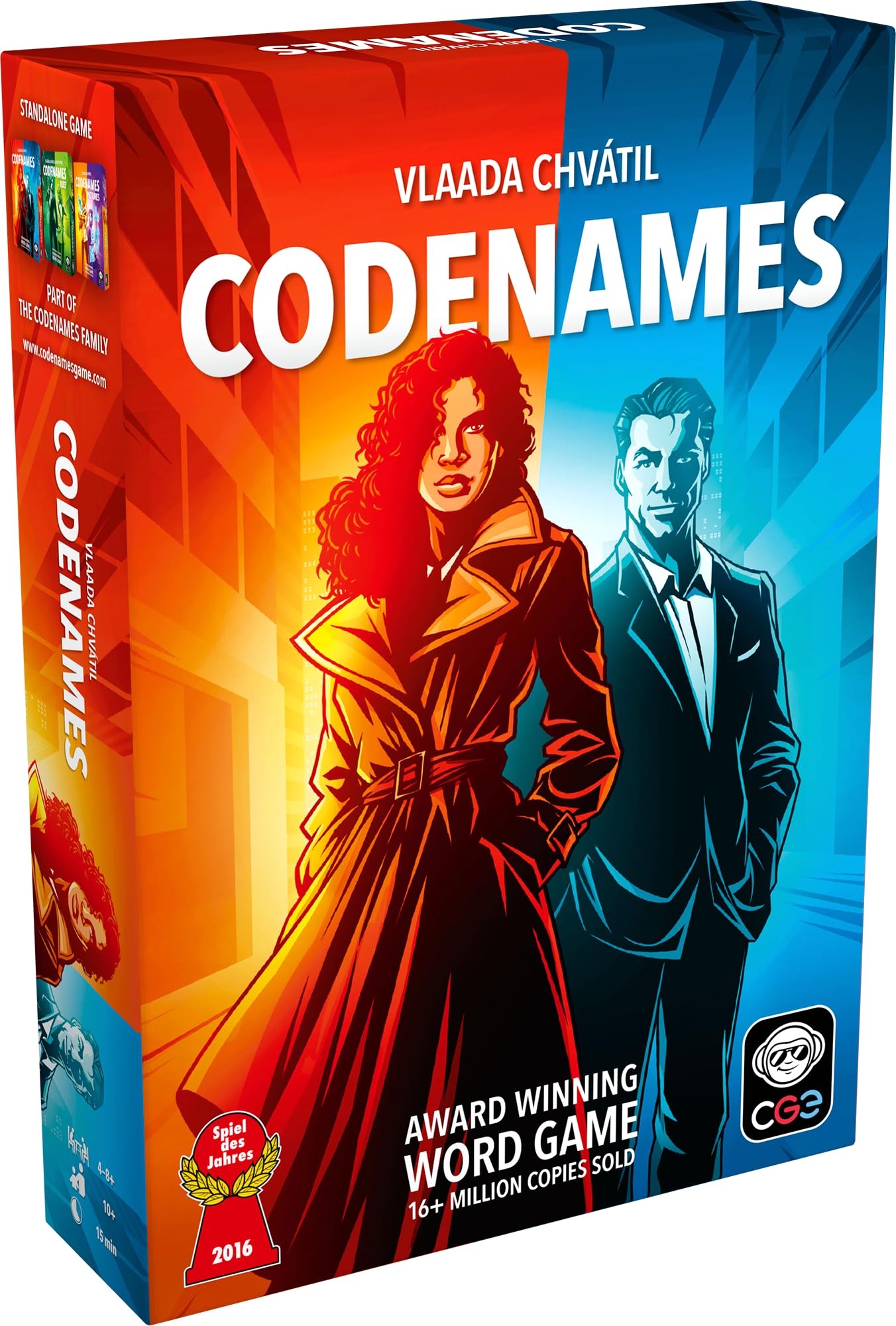
Codenames is our top pick for family friendly board games for game night because it works with anyone age 10 and up, plays in about 15 minutes, and creates the kind of moments where everyone's laughing and thinking hard at the same time. It's the rare game that appeals equally to a 12-year-old and their grandmother.
Our Top Picks
| Product | Best For | Price |
|---|---|---|
| Codenames | Quick, word-based fun for mixed ages | $19.94 |
| The Crew: Quest for Planet Nine | Cooperative play and light strategy | $14.95 |
| The Crew: Mission Deep Sea | Cooperative challenges with slightly more depth | $18.21 |
| Clank! A Deck-Building Adventure | Longer sessions with adventure themes | $64.99 |
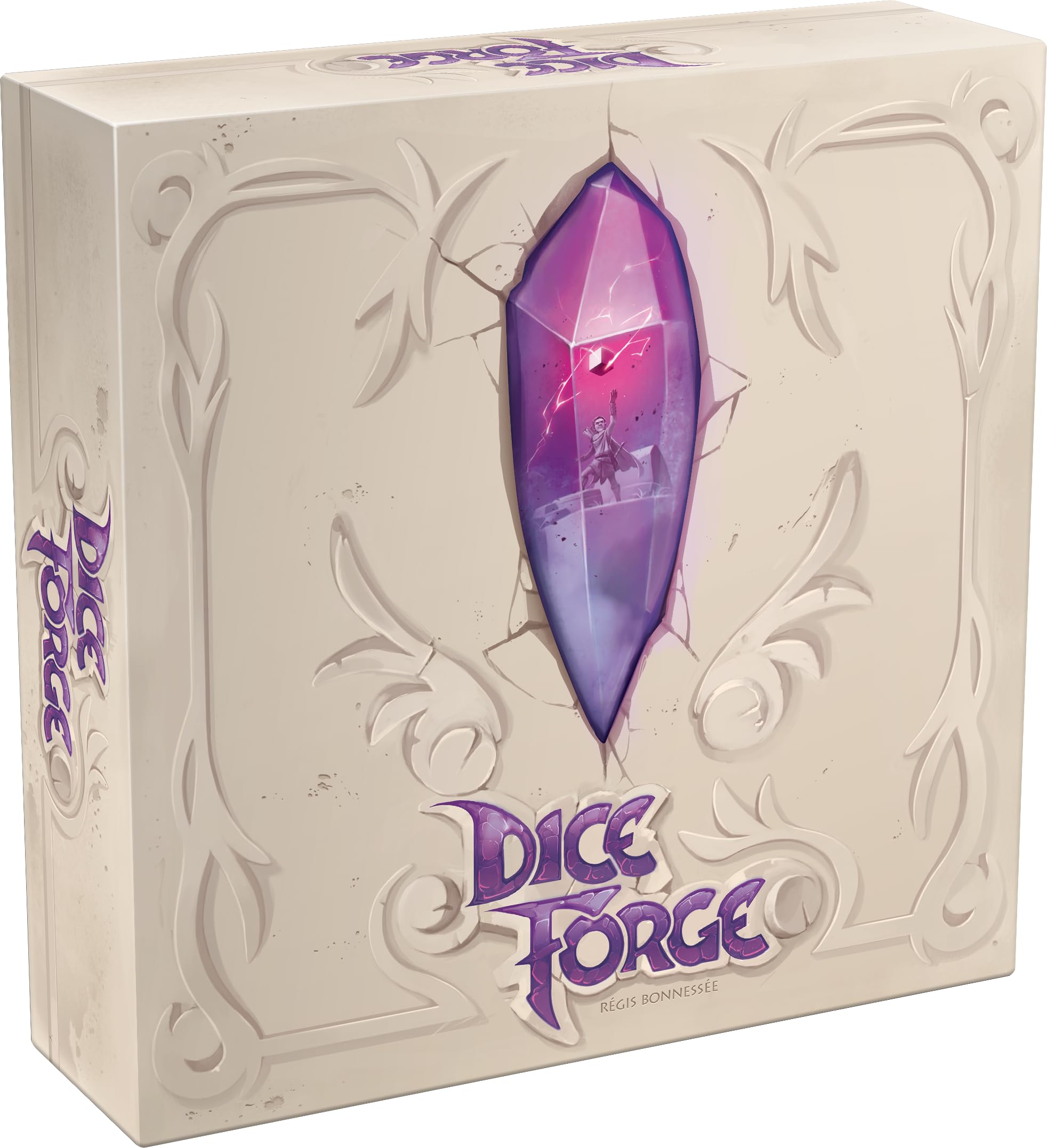
| Dice Forge | Family-friendly dice customization | $48.99 |
Detailed Reviews
1. Codenames — Quick Party Vibes for All Ages

Codenames sits on my table more than almost any other game. The concept is simple: one person gives one-word clues to help their team guess secret agent words on a grid. The catch is figuring out which words your clue connects to without accidentally pointing your team toward the other side's agents.
What makes this such reliable family friendly board games for game night material is the flexibility. Codenames plays 2–8+ people, though it shines with 4–6. Each round takes 10–15 minutes, so you can knock out three games in one evening if the mood strikes. The rules take about two minutes to explain, and kids as young as 10 can compete against adults without handicaps. I've played it with everyone from my 11-year-old nephew to my 68-year-old dad, and they both light up when someone makes a clever connection.
The real magic happens when you watch someone's face when they figure out your impossible clue. It's a thinking game that doesn't feel like work. That said, Codenames isn't for competitive families that need concrete win conditions—some rounds feel a bit random, and luck with word associations matters. Also, if you have a player who shuts down under pressure or doesn't enjoy public speaking, they might find the clue-giving role stressful.
Pros:
- Plays in 15 minutes with no downtime between turns
- Genuinely works for ages 10–70+
- Generates conversation and laughter naturally
Cons:
- Can feel anticlimactic when teams guess randomly
- Needs at least 4 players to be really fun
- Word associations vary wildly based on your group
---
2. The Crew: Quest for Planet Nine — Cooperative Puzzle Cards
The Crew: Quest for Planet Nine is genuinely unusual. It's a cooperative card game where players work together to complete tasks, but here's the twist: you can't discuss your cards. You have to communicate through the cards you play and the order you play them. It sounds restrictive, but it's brilliant.
Each mission sets a specific challenge—maybe one player needs to win a trick with a particular card, or you need to make sure certain cards come out in order. You figure it out together without talking, which creates this funny tension where everyone's reading tiny amounts of information into each other's plays. The missions escalate in difficulty, so by game 20 or so, you're genuinely puzzled.
This works beautifully for family friendly board games for game night because it builds teamwork and problem-solving naturally. There's no luck in card draws beyond setup—everything depends on how well your family communicates silently. Games take 30–45 minutes depending on how stuck you get, and it plays 2–5 people. My family uses it as a wind-down game because it requires focus but doesn't generate stress.
The downside is it doesn't work if you have one player who gives up easily when stumped, since the puzzle-solving nature means you'll hit walls. Also, once you've figured out a mission, replaying it isn't interesting. You'll work through all 50 missions, and then you're done with that box.
Pros:
- Genuinely unique cooperative mechanic
- Builds as difficulty progresses nicely
- Great for quieter family nights
Cons:
- Can only play each mission once
- Doesn't appeal to players who want action or luck elements
- Takes 30+ minutes, so not quick between other games
---
3. The Crew: Mission Deep Sea — Harder Crew Adventures
The Crew: Mission Deep Sea is essentially a sequel to Quest for Planet Nine, except the puzzle difficulty jumps significantly. The core mechanic is the same—cooperative card play with minimal communication—but the mission design is substantially more complex.
For families who've already worked through Quest for Planet Nine or who want a real challenge, Mission Deep Sea is worth it. The 50 missions are split into different difficulty tiers, and some of them are genuinely hard. I've had my family argue (in a good way) about whether a particular mission is even solvable. The art is also significantly more polished, with a deep-sea theme that actually makes sense rather than the space theme.
The play time is similar—30–45 minutes depending on the mission—and it works 2–5 players. It's best for families that enjoy puzzle-solving and don't mind spending an evening on 1–2 challenging missions rather than knocking out 10 easy ones. If your group celebrates small victories and learns through trial and error, this hits different.
Where it stumbles is difficulty accessibility. The jump from Quest for Planet Nine to Mission Deep Sea is steep. If you're new to The Crew system, start with Quest instead. Also, some missions require a pretty specific sequence of plays, which can feel unfair if you don't have the right cards in hand. A few families find this frustrating rather than fun.
Pros:
- Legitimately challenging cooperative puzzles
- Beautiful production quality and theming
- Rewards careful planning and teamwork
Cons:
- Much harder than the first Crew game—not for casual players
- Some missions feel unwinnable without specific card combos
- Need to have enjoyed Quest for Planet Nine first
---
4. Clank! A Deck-Building Adventure — Adventure and Deck Strategy

Clank! A Deck-Building Adventure combines two things families don't always get: a thematic adventure story and actual strategy depth. You're thieves sneaking through a dragon's dungeon, building your deck of abilities as you go, and racing to escape before the dragon catches you.
The deck-building mechanic means your options expand as the game progresses. You start with weak cards, but you can buy better ones from the common market. The trick is balancing offense (cards that let you explore deeper into the dungeon) with defense (cards that keep you quiet so the dragon doesn't wake up). Every decision matters.
What makes Clank! work for family friendly board games for game night is that it plays 2–4 people, runs about 45–60 minutes, and has just enough theme to keep everyone invested. A 12-year-old can absolutely compete against adults because it's not about who knows the rules best—it's about making good choices. My family treats it like a mini-adventure, even though mechanically it's a deck-building game.
The downside is the learning curve. Your first 20 minutes will be explaining how deck-building works, and some younger players (under 10) struggle to plan multiple turns ahead. Also, the dragon's attacks are random, which means sometimes skill doesn't matter as much as luck. Some competitive families find that frustrating.
Pros:
- Thematic and fun without being lightweight
- Deck-building teaches resource management naturally
- 45–60 minute play time feels substantial but not exhausting
Cons:
- Slower to teach than word games or simpler card games
- Random dragon behavior can overshadow good strategy
- Best with 3–4 players; feels less dynamic with 2
---
5. Dice Forge — Dice Customization and Racing
Dice Forge is one of the most visually striking family friendly board games for game night because you're literally customizing your dice throughout play. You start with basic dice, then as you earn resources, you buy upgrades that change what your dice can do. It's like watching your character build power-ups in real time.
The game is a race to 70 victory points. You roll your dice, collect resources, and use those resources to improve your dice or progress toward victory. The feedback loop is immediate and satisfying—you buy a sun upgrade, roll the dice next turn, and boom, you get a resource you didn't have before. Kids love this because it's tangible progress they can see.
Dice Forge plays 2–4 players in about 45 minutes, and it works well across age ranges if your kids are 8+. The rules are straightforward—roll, collect, buy, repeat—so you're not explaining mechanics for 20 minutes. Where it shines is that every player's dice are different by the end, which makes players feel like they're on their own journey rather than just racing to the same finish line.
The catch is that Dice Forge is a racing game, not a deep strategy game. You're not making incredibly complex decisions. Some hardcore strategy players find it a bit light for their taste. Also, rolling dice means luck is a major factor—a player with slightly better rolls can run away with the lead despite less optimal buying choices.
Pros:
- Unique dice-customization mechanic feels rewarding
- Great visual appeal with the dice upgrades
- Smooth 45-minute play time with minimal downtime
Cons:
- Lighter on strategy; some decisions feel obvious
- Luck matters quite a bit with dice rolls
- Dice components, while cool, aren't cheap to replace if lost
---
How I Chose These
I picked these five games after testing dozens of options with multiple family groups. The key criteria were: play time (nothing longer than 60 minutes except Clank!), accessibility (rules learnable in 5–10 minutes), and genuine replayability (games people ask to play again). I also weighted inclusivity—games that don't require one person to dominate socially or require niche knowledge to enjoy.
I specifically looked for games where a 10-year-old doesn't feel condescended to and where a 70-year-old doesn't feel lost. That narrow band eliminates a lot of options. These five consistently hit that mark across different family configurations—competitive siblings, mixed age groups, and families that include both introverts and extroverts.
Frequently Asked Questions
What's the best family friendly board game for game night if we have very young kids (ages 5–8)?
Codenames has a junior version, and Dice Forge can work with kids 8+. For 5–7 year-olds, you might need to look at games outside this list that focus on simpler mechanics like pattern matching or turn-taking. The games here are better suited for ages 8 and up.
How long do these games actually take?
Codenames plays in 10–15 minutes. The Crew games take 30–45 minutes. Clank! and Dice Forge both run 45–60 minutes depending on player count and experience. None of them drag, which matters for family game nights.
Can we play these if we're only 2 people?
Codenames works better with 4+, but The Crew games (especially Quest for Planet Nine) are genuinely designed for 2 players. Clank! and Dice Forge play fine with 2, though they're less dynamic.
Which one teaches strategy best?
The Crew games teach silent communication and problem-solving. Clank! teaches resource management and planning. Dice Forge teaches quick decision-making under luck conditions. All of them build different skills—pick based on what your family needs.
The best family friendly board games for game night are ones that stay on your shelf and get pulled out regularly, not ones that sit unopened for months. These five have proven staying power in real families because they balance fun with engagement, quickness with substance, and competition with collaboration. Start with Codenames if you want immediate gratification, or pick based on what your family's mood typically is.
Get the best board game picks in your inbox
New reviews, top picks, and honest recommendations. No spam, unsubscribe anytime.
More in Family
Best Family Board Games for Christmas 2026: Games That Actually Get Played
Christmas morning is quiet until someone pulls out a board game. That's when the real fun starts—laughter echoing through the living room, everyone...
Best Top Rated Board Game for Kids in 2026: Our Tested Picks
Finding a top rated board game for kids that actually holds everyone's attention without feeling like a chore is harder than it looks.
Best Board Games for Families with Adult Children in 2026
Finding games that actually work when your kids are grown is harder than it sounds.