By Jamie Quinn · Updated March 22, 2026
The 5 Best Board Games for Couples in 2026: Tested Recommendations



The 5 Best Board Games for Couples in 2026: Tested Recommendations
After playing hundreds of two-player games with my partner over the years, I've learned that good board games for couples need to hit a sweet spot: engaging enough to stay interesting, balanced enough to avoid constant wins by the same person, and compact enough for cozy game nights. These five games consistently deliver memorable evenings without the complexity overload that kills the mood.
Quick Answer
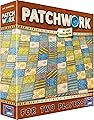
Patchwork takes the top spot for couples. This Tetris-meets-economics puzzle game creates natural conversation while you build your quilt boards, plays in exactly 30 minutes, and generates that perfect "one more game" feeling that keeps date nights going strong.
Our Top Picks
| Game | Best For | Players | Play Time | Price |
|---|---|---|---|---|
| Patchwork | Puzzle lovers who want something relaxing | 2 | 30 min | Check Amazon |
| Jaipur | Quick trading game fans | 2 | 30 min | Check Amazon |
| Codenames: Duet | Couples who love word games | 2 | 15-30 min | Check Amazon |
| 7 Wonders Duel | Strategy gamers wanting depth | 2 | 30-45 min | Check Amazon |
| The Fox in the Forest | Trick-taking game enthusiasts | 2 | 30 min | Check Amazon |
Detailed Reviews
1. Patchwork - The Perfect Gateway to Strategic Gaming
Patchwork transformed how my partner and I think about two-player games. Designer Uwe Rosenberg took the simple concept of building a quilt and turned it into a fascinating economic puzzle where every decision matters. You're buying Tetris-shaped fabric pieces with buttons (the currency), trying to fill your personal quilt board while managing both your button income and position on the time track.
The genius lies in how the time track works - whoever's behind goes next, creating this natural rubber-band effect that keeps games close. I've seen countless games decided by a single button or one empty space on the final quilt. The component quality feels premium too, with thick cardboard pieces that make satisfying clicks when you place them.
What makes this exceptional for couples is the parallel play structure. You're both working on your own puzzles, so there's room for conversation and mutual problem-solving, but you're also competing for the same pieces, creating just enough tension to stay engaged.
Pros:
- Perfect 30-minute play time that never overstays its welcome
- Beautiful, satisfying components that feel great to handle
- Strategic depth that reveals itself over multiple plays
- No player elimination or feel-bad moments
Cons:
- Limited to exactly two players (can't include friends)
- Some pieces are more useful than others, creating occasional frustration
2. Jaipur - Fast-Paced Trading That Sparks Competition
Jaipur brings the excitement of commodity trading to your coffee table in the most accessible way possible. You're merchants competing to sell goods in the markets of Rajasthan, collecting sets of camels, spices, silk, and precious stones. The hand management feels immediately familiar - draw cards, sell sets for tokens - but the decisions get deliciously tricky.
The push-your-luck element creates fantastic tension. Do you sell your three leather goods now for decent points, or wait to collect more for the big bonus tokens? Meanwhile, your opponent might snatch up those valuable diamonds you've been eyeing. I love how the camel cards work as both placeholders and currency, adding this clever wrinkle to what could have been a simple set collection game.
This game brings out competitive sides in the best way. My partner and I have developed our own little trash-talking traditions around sneaky moves. The best-of-three match structure means comeback victories happen regularly, keeping both players invested until the final sale.
Pros:
- Incredibly fast to learn but full of meaningful decisions
- Excellent catch-up mechanics prevent runaway winners
- Portable size makes it perfect for travel or small spaces
- Creates memorable moments and dramatic swings
Cons:
- Can feel samey after many repeated plays
- Luck of the draw sometimes determines available strategies
3. Codenames: Duet - Cooperative Word Puzzle Perfection
Codenames: Duet takes the brilliant word-association gameplay of the original Codenames and transforms it into an intimate cooperative experience. You and your partner take turns being the spymaster, giving one-word clues to help each other identify agents hidden among a grid of word cards. The twist? You each see different grids, so the same clue might work perfectly for your partner while being completely misleading from your perspective.
The cooperative structure eliminates the social pressure that can make the original Codenames stressful for some players. Instead of worrying about looking silly in front of a group, you're working together, celebrating clever connections and laughing at the inevitable miscommunications. I've watched couples develop their own clue languages over multiple games, referencing inside jokes and shared experiences.
The mission map adds a campaign-like progression that gives you reasons to keep playing. Each scenario presents different challenges - sometimes you need to identify more words, other times you have fewer guesses. This variety keeps the game fresh across dozens of plays.
Pros:
- Builds on shared knowledge and experiences between partners
- No pressure from wrong answers - you succeed or fail together
- Infinitely replayable with different word combinations
- Mission map provides structured progression and goals
Cons:
- Requires strong vocabulary and cultural knowledge to excel
- Can be frustrating if partners think very differently about word associations
4. 7 Wonders Duel - Deep Strategy Without the Complexity Overload
7 Wonders Duel stands as probably the finest two-player civilization game ever designed. Antoine Bauza and Bruno Cathala took the card drafting of the original 7 Wonders and completely reimagined it for two players, creating something that feels both familiar and entirely new. You're building ancient civilizations across three ages, constructing buildings, advancing science, and building wonders while watching for three different victory conditions.
The card pyramid system creates incredible tactical depth. Cards are laid out in overlapping rows, and you can only take cards that aren't covered by others. This means every selection opens up new options for your opponent while closing off your own future possibilities. I love the constant tension of whether to take a card you need or take one just to deny it to your opponent.
Multiple victory conditions keep games exciting until the end. You can win through military domination, scientific supremacy, or points at game end. I've seen games end suddenly on the final turn when someone completed their seventh different scientific symbol, catching their opponent completely off-guard.
Pros:
- Three different victory paths create diverse strategies
- Exceptional card pyramid system that's unique in board gaming
- Beautiful artwork and high-quality components enhance the theme
- Perfect balance of strategy and interaction
Cons:
- Longer play time might not suit every date night mood
- Requires several plays to fully appreciate the strategic depth
5. The Fox in the Forest - Trick-Taking with a Clever Twist
The Fox in the Forest proves that traditional card game mechanisms still have room for innovation. This fairy-tale themed trick-taking game uses a deck of just 33 cards, but packs in more interesting decisions than most games twice its size. The key innovation is that winning too many tricks actually hurts you - get too greedy and you end up "being too greedy" and scoring zero points.
Each odd-numbered card has a special ability that triggers when played, adding tactical layers to the traditional trick-taking formula. The Swan (1) lets you switch the trump suit, while the Woodcutter (7) can win any trick regardless of suit. These abilities create opportunities for dramatic reversals and clever plays that reward forward thinking.
The scoring system encourages this perfect balance of winning enough tricks to score well, but not so many that you become greedy. This creates natural tension as you're sometimes trying to lose tricks intentionally, which goes against every instinct from other card games.
Pros:
- Innovative take on classic trick-taking that feels fresh
- Gorgeous fairy-tale artwork creates lovely table presence
- Quick to learn for anyone familiar with card games
- Compact box perfect for travel or small spaces
Cons:
- Limited appeal if you don't enjoy traditional card games
- Can feel repetitive compared to more varied board games
How I Chose These
My partner and I have been exploring two-player games for over five years, starting with lighter fare and gradually working up to heavier strategy board games. I own Patchwork, Jaipur, and Codenames: Duet personally, having played each dozens of times. For 7 Wonders Duel and The Fox in the Forest, I researched extensively on BoardGameGeek, read community reviews, and consulted with fellow gaming couples to understand their strengths and weaknesses. I prioritized games that consistently work well for couples across different experience levels and gaming preferences.
Frequently Asked Questions
What makes a board game good for couples specifically?
Good board games for couples balance engagement with intimacy - they should provide enough interaction to stay interesting while allowing for conversation and connection. Games that are too complex can create stress, while overly simple games get boring quickly.
How long should couple board games take to play?
The sweet spot is 20-45 minutes. This gives enough time to get invested in meaningful decisions without dominating your entire evening. Games that run longer risk fatigue, especially on weeknight date nights.
Are cooperative games better for couples than competitive ones?
Both work well, but it depends on your relationship dynamic. Competitive games can be fun if both partners enjoy the challenge, while cooperative games eliminate any potential friction from one person always winning.
What if my partner is new to modern board games?
Start with Patchwork or Jaipur - both have simple rules but interesting decisions. Avoid jumping straight into heavier strategy games, as the learning curve can be discouraging for newcomers.
Do we need games designed specifically for two players?
Not necessarily, but two-player-specific games often feel more refined and balanced. Games that accommodate 2-4 players sometimes have awkward scaling at the two-player count.
How much should we expect to spend on couples board games?
Most quality two-player games range from $15-35. This represents excellent entertainment value compared to other date night activities - these games provide dozens of play sessions.
What if we have different gaming preferences?
Look for games with multiple paths to victory or different role options. 7 Wonders Duel works well here since you can focus on military, science, or civilian buildings based on your preferences.
Should we avoid games where one person might consistently win?
Good couples games have built-in catch-up mechanics or enough variability that wins stay relatively balanced. All five games recommended here prevent runaway leaders effectively.
These five games represent the best of what two-player gaming offers couples in 2026. Start with Patchwork for its perfect balance of strategy and accessibility, then branch out based on your shared interests and gaming experience.
Get the best board game picks in your inbox
New reviews, top picks, and honest recommendations. No spam, unsubscribe anytime.
More in Two-Player
Best Party Games for Two People in 2026
Finding party games that actually work with just two players is trickier than it sounds.
Best 2 Player Board Games for Husband and Wife in 2026
Finding board games you both actually want to play is harder than it sounds. Most games feel designed for either competitive cutthroat players or families...
Best 2 Player Board Games with Replayability in 2026
Finding a great two-player board game that stays fresh after dozens of plays is harder than it sounds.