By Jamie Quinn · Updated March 28, 2026
Best Icebreaker Games for Friends in 2026


Best Icebreaker Games for Friends in 2026
Getting a group of friends together is one thing, but getting them to actually loosen up and have fun together? That's where icebreaker games for friends become invaluable. Whether you're hosting people who don't know each other well, or longtime friends who've fallen into the same boring routines, the right game can transform an awkward evening into something genuinely memorable. I've tested dozens of options, and these five stand out because they do more than just pass time, they create the kind of moments people actually talk about afterward.
Quick Answer
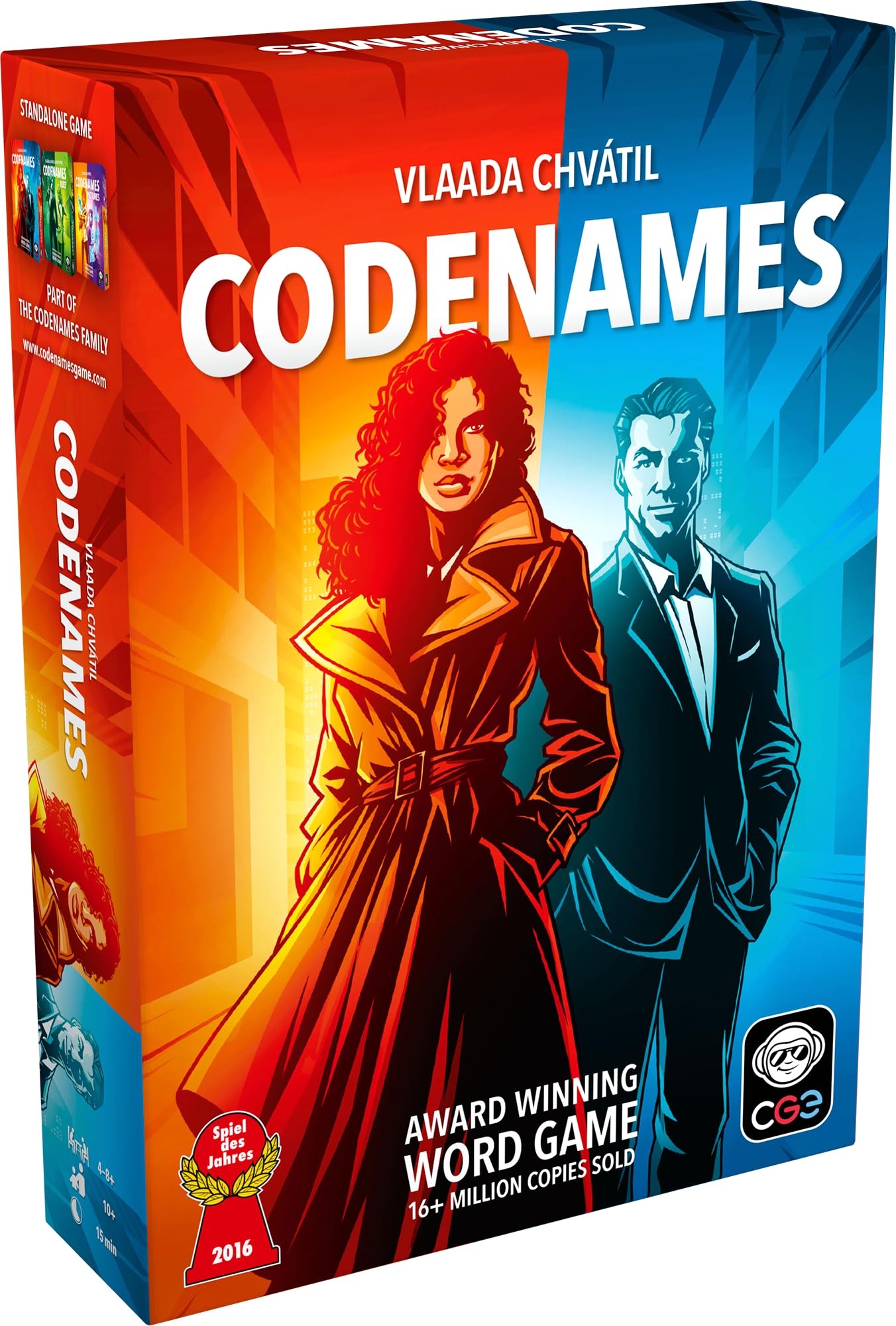
Codenames is our top pick for icebreaker games for friends because it works with virtually any group size (2-8+ players), requires zero setup beyond opening the box, and gets everyone engaged immediately. The deduction-based gameplay naturally draws out conversation, competitive energy, and clever thinking without feeling forced or staged.
Our Top Picks
| Product | Best For | Price |
|---|---|---|
| Codenames | Groups of 4-8 where you want team-based competition | $17-22 |
| Deception: Murder in Hong Kong | Breaking the ice with 4-12 players who enjoy social deduction | $25-35 |
| One Night Ultimate Werewolf | Quick sessions (15 mins) with 3-8 people, high replayability | $12-18 |
| Sushi Go Party! | Casual, inclusive groups where everyone gets a turn quickly | $20-28 |
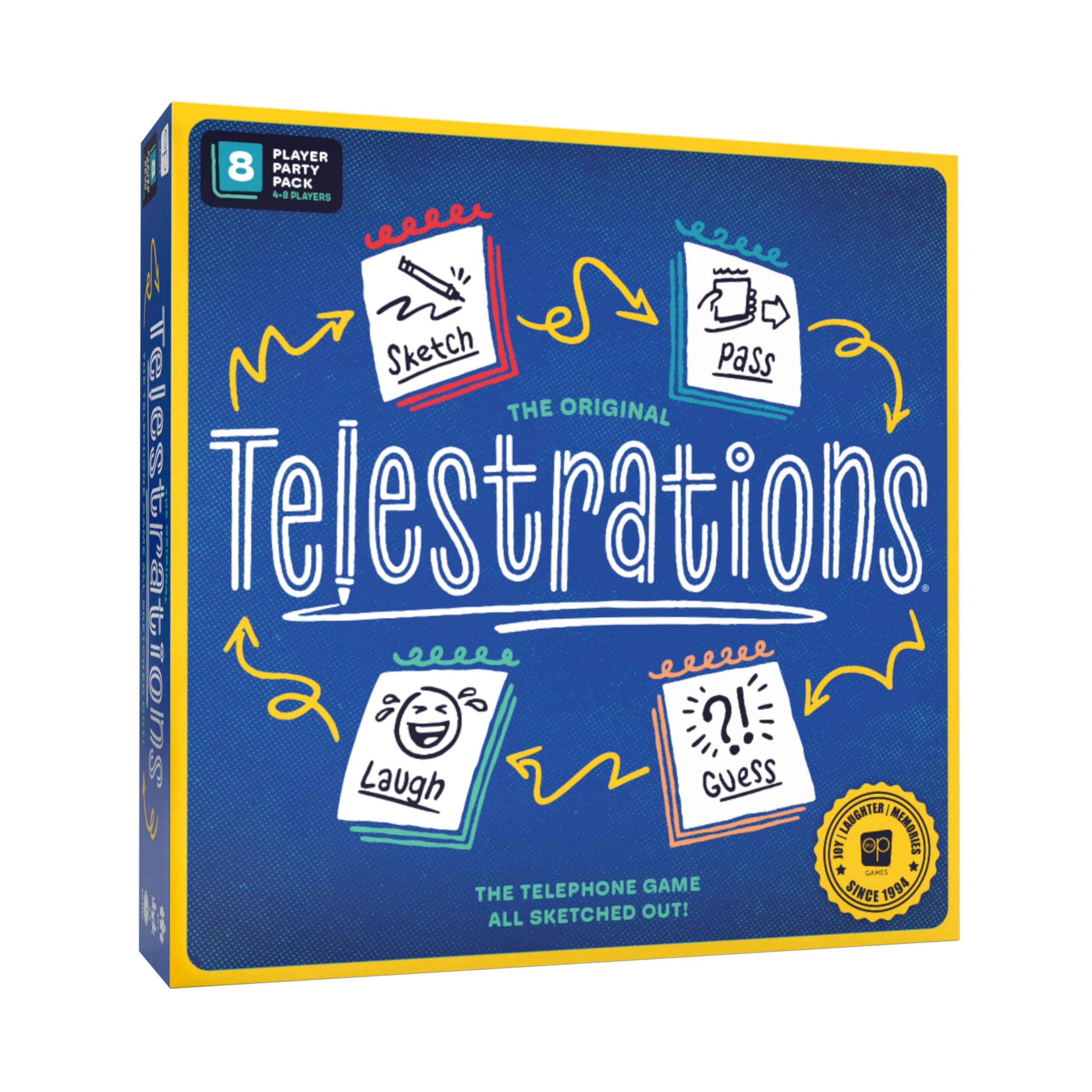
| Telestrations | Large groups (4-8+) who like creative, hilarious chaos | $18-25 |
Detailed Reviews
1. Codenames. Team-Based Word Deduction That Actually Works
Codenames wins the icebreaker games for friends category because it's fundamentally social. One person (the spymaster) gives one-word clues to help their team identify secret agents on a 5x5 grid of words. That's it. But that simplicity is exactly why it works as an icebreaker, there's no rulebook to memorize, no learning curve, and within two minutes everyone understands what's happening.
What makes this special is that it rewards the exact behaviors that break ice: lateral thinking, communication, and inside jokes. You'll watch friends figure out creative connections ("Aurora" to link "BOREALIS" and "SLEEPING"), laugh at wildly wrong guesses, and develop natural team chemistry. The game plays in 15-20 minutes, so even if the first round feels awkward, you're not trapped for hours.
The main limitation: it needs at least 4 players to shine. With two people it becomes a straightforward puzzle rather than a social experience. Also, groups that overthink every clue can drag rounds out, though that's more of a player-management thing than a game flaw.
Pros:
- Zero learning curve; rules explain in 90 seconds
- Works as an icebreaker for ages 12-70+
- Replayable dozens of times before cards feel repetitive
- Team structure creates natural alliances and conversation
Cons:
- Requires at least 4 players; not great for pairs
- One bad spymaster can stall the game's momentum
- Card wear is noticeable after heavy use (consider getting sleeves)
2. Deception: Murder in Hong Kong. The Ultimate Social Icebreaker
If Codenames is a warm-up, Deception: Murder in Hong Kong is a full-contact sport for breaking the ice. This is social deduction on steroids, one player is secretly the murderer, one is trying to solve the crime, and everyone else is lying or telling the truth depending on which side they're on. The murder solver has only 4 minutes to interrogate suspects and figure out whodunit.
What makes this incredible for icebreaker games for friends is the intensity. Nobody just sits quietly. The best players use tone of voice, hesitation, and body language to convince others they're innocent. Accusations fly. Defenses crumble. Within 30 minutes you've watched people reveal how they think under pressure, and that vulnerability actually brings groups closer.
The catch is that it needs a comfortable group or people who don't mind social friction. If someone takes accusation personally, the dynamic can sour. Also, with fewer than 5 players it loses some of its magic, the deception works best when there are enough people to create actual doubt.
Pros:
- Creates genuine, memorable tension (the good kind)
- Forces communication and forces people to think on their feet
- Works with 4-12 players, scales beautifully
- Multiple roles keep repeated plays fresh
Cons:
- Can feel uncomfortable for people who dislike confrontation
- Requires at least 5 players to hit its stride
- First round often confuses people who haven't seen it before
3. One Night Ultimate Werewolf. Fast, Chaotic, Perfect for Skeptics
One Night Ultimate Werewolf is the rapid-fire version of classic Mafia games, and it's perfect when your group is skeptical about board games in general. Each round takes 15 minutes. You get a secret role (villager, werewolf, drunk, insomniac, etc.), a frantic discussion phase, and then a vote to eliminate someone. Wrong? You lost. Right? You won.
The genius here is that you're constantly trying to convince people you're something you're not, or figuring out who's lying. It's chaotic, it moves fast, and because rounds are short, even people who get knocked out early can jump into the next game immediately. I've seen groups play 5-6 rounds in a row without anyone getting bored.
Where it fails as an icebreaker is with groups larger than 8. The discussion becomes a shouting match rather than deduction. Also, players who dislike randomness (your role is literally dealt to you) might find it frustrating.
Pros:
- 15 minutes per round keeps energy high
- Naturally creates accusations and defenses (in a fun way)
- Works with 3-8 players, scales down better than most games
- Roles create variety; no two games feel identical
Cons:
- Heavily dependent on luck (your starting role)
- Gets unwieldy with more than 8 players
- Requires a strong moderator or rounds can devolve into chaos
4. Sushi Go Party!. The Quiet Icebreaker
Not every icebreaker needs to be loud or confrontational. Sushi Go Party! breaks the ice by creating a collaborative, almost meditative experience. Players draft sushi cards in a "pick and pass" mechanic, building sets to score points. It's simple, elegant, and genuinely fun.
What makes this work as an icebreaker is that it's low stakes. Nobody feels attacked. Everyone's making decisions simultaneously. There's room for conversation without someone having to defend themselves or perform. I've watched groups that seemed disconnected slowly relax into laughing at lucky combos and playful trash talk. By the end, the competitive friendliness has built natural rapport.
The trade-off is that Sushi Go Party! doesn't generate the same high-energy moments as social deduction games. If your group wants adrenaline, this isn't it. It's better for groups who are already somewhat comfortable with each other but need to warm up.
Pros:
- No confrontation; purely positive competition
- Scales beautifully from 2-8 players
- Rounds move quickly (20-30 minutes)
- Beautiful artwork and tactile card quality
- Works with mixed skill levels and ages
Cons:
- Quieter than other icebreaker options; some groups need more energy
- Card drafting can feel random if you overthink
- Less memorable than higher-stakes games
5. Telestrations. Pure Silliness (The Secret Weapon)
Telestrations is what happens when you combine Telephone with drawing, and it's comedic chaos. One person draws something based on a word. The next person guesses what they drew (usually wrong). The next person draws that wrong guess. Repeat. By the end, the final drawing looks nothing like the original word, and everyone's laughing at how far things deviated.
For icebreaker games for friends, Telestrations is secretly powerful because it removes social pressure. You're not being clever or competitive; you're collaborating in absurdity. Bad artists are actually better at this game because their drawings are funnier. The shared laughter genuinely builds connection, and that's the whole point of icebreakers.
The main limitation is that it needs a table large enough for everyone to draw simultaneously, and it works best with 4-8 players. Fewer than 4 and the chain is too short. More than 8 and wait times get annoying.
Pros:
- Hilarious for absolutely everyone
- No competition means no one feels singled out
- Very low skill floor (drawing ability is irrelevant)
- Works great for mixed-age groups
- Setup time is literally zero
Cons:
- Requires decent table space
- Quality of fun depends on players embracing silliness
- Can drag slightly with more than 8 players
- Some groups might find it too "dumb"
How I Chose These
I evaluated these games on four specific criteria for icebreaker quality. First, speed to engagement, how quickly do people actually start having fun, rather than learning rules? Second, social mechanisms, does the game naturally force communication or create memorable moments? Third, scalability, do they work with groups of 4, 6, 8, 10? Fourth, replayability without fatigue, can you play two rounds without people checking their phones?
I also considered group type variation. If you're hosting friends who know each other well but are stuck in patterns, you need something different than introducing strangers. Social deduction games (Codenames, Deception, One Night Ultimate Werewolf) work better for breaking patterns because they create tension and surprise. Collaborative or creative games (Sushi Go Party!, Telestrations) work better when the barrier is actual discomfort or social anxiety.
I deliberately excluded longer strategy games, party games that require props you don't have, and games with steep learning curves. Icebreaker games for friends should be immediately accessible.
Frequently Asked Questions
What's the best icebreaker game if people haven't played board games before?
Start with Codenames or Telestrations. Both have rules you can explain in under 2 minutes, and both generate immediate fun rather than requiring players to "get into" the game. One Night Ultimate Werewolf is also great if your group has a competitive streak.
Can I play these icebreaker games for friends with more than 8 people?
Most of these max out at 8 players before things get unwieldy. Codenames and Deception: Murder in Hong Kong can technically accommodate 10-12 with some adaptation. If you have a really large group, you might want to split into two games or look at larger party games designed for 10+ people.
Which icebreaker game is best for a first date group setting?
Sushi Go Party! or Codenames. Both are fun without being confrontational, and they don't put anyone on the spot. Avoid Deception or social deduction games until people know each other better, vulnerability requires comfort.
How do I make sure icebreaker games for friends actually break the ice instead of feeling awkward?
Go for the quieter option first (Sushi Go Party! or Telestrations) if the group seems stiff. Save social deduction for when energy's already up. Also set expectations: tell people "we're playing a game to have fun together" rather than implying it's some therapeutic exercise. That framing makes all the difference.
Are these games good for remote play?
Not really. Codenames has an online version, but most of these rely on physical presence, face-to-face reactions, and the tactile experience of holding cards. Stick with in-person icebreaker games for friends if you want them to actually work.
---
Pick the game that matches your group's vibe. If they're competitive, start with Codenames. If they're creative and silly, go straight to Telestrations. If they need legitimate tension-breaking, Deception: Murder in Hong Kong does that better than anything else. Any of these will beat spending your evening watching people stare at their phones, and all of them create the kind of shared moments that actually matter.
Get the best board game picks in your inbox
New reviews, top picks, and honest recommendations. No spam, unsubscribe anytime.
More in Party
Best Party Board Games for Large Groups in 2026
Planning a game night for 8+ people? Finding the right board game that actually works for large groups is trickier than it sounds.
Best Trivia Games to Play With Friends in 2026
You're gathering friends for game night, and you want something that gets everyone talking, laughing, and actually engaged—not something that turns into a...
Best Popular Trivia Games for Group Settings in 2026
Group game nights can be hit or miss—either everyone's engaged and laughing, or half the table is checking their phones.