By Jamie Quinn · Updated April 12, 2026
Best Popular Board Games for Family Game Night in 2026


Best Popular Board Games for Family Game Night in 2026
Family game night works best when everyone at the table stays engaged—not bored, not frustrated, just genuinely having fun together. The trick is finding games that hit that sweet spot: easy enough for younger players to learn quickly, interesting enough that adults don't feel like they're babysitting, and short enough that nobody's checking their phone by turn three.
Quick Answer
Codenames is the best popular board game for family game night because it works with 2-8+ players, takes 15 minutes per round, and gets everyone talking and laughing without requiring any board game experience. You can play it again immediately without setup, which means your family will actually want multiple rounds.
Our Top Picks
| Product | Best For | Price |
|---|---|---|
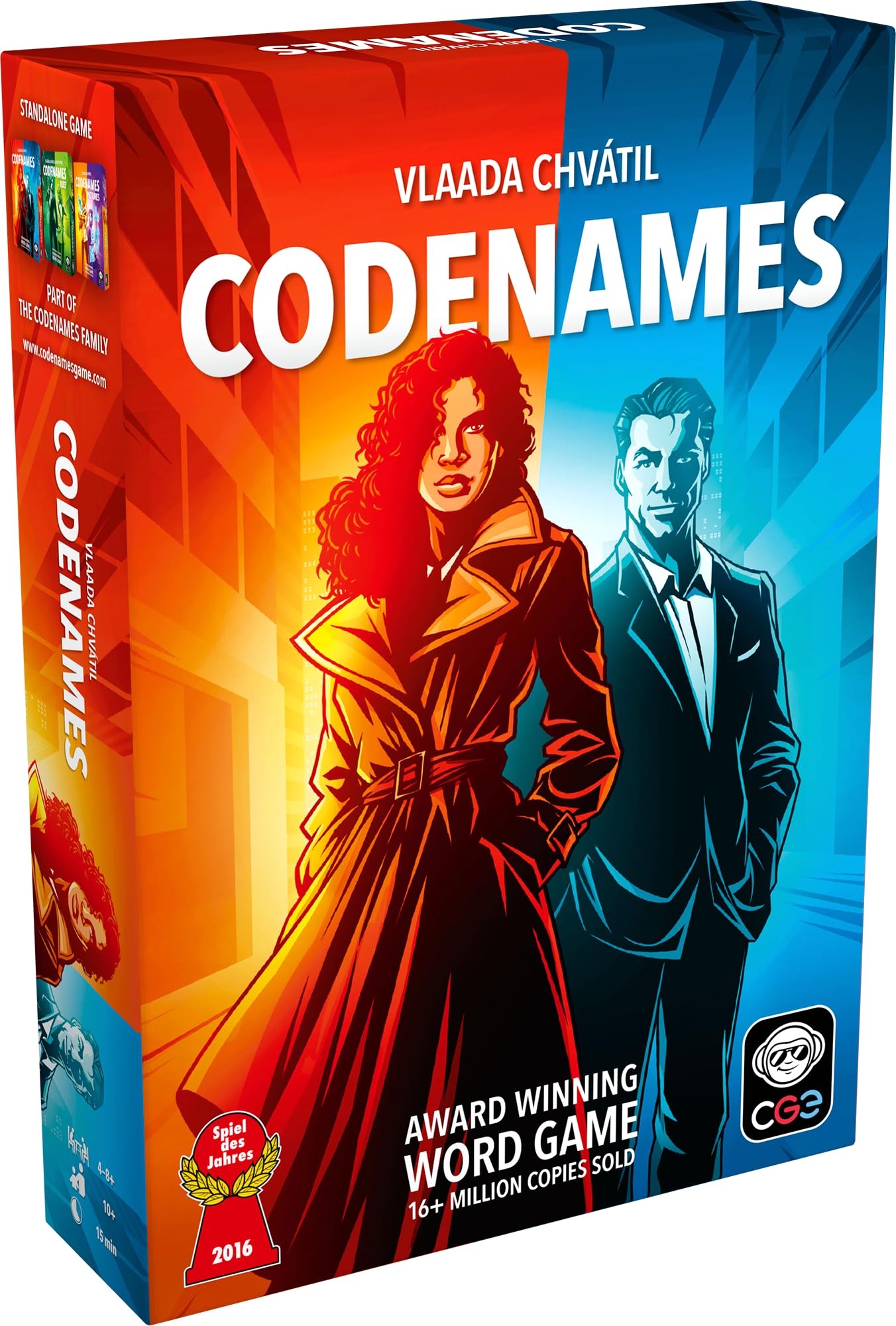
| Codenames | Large groups and word-lovers | $19.94 |
| The Crew: Quest for Planet Nine | Cooperative family bonding | $14.95 |
| The Crew: Mission Deep Sea | Trick-taking with a twist | $18.21 |
| Clank! A Deck-Building Adventure | Adventure-themed gameplay | $64.99 |
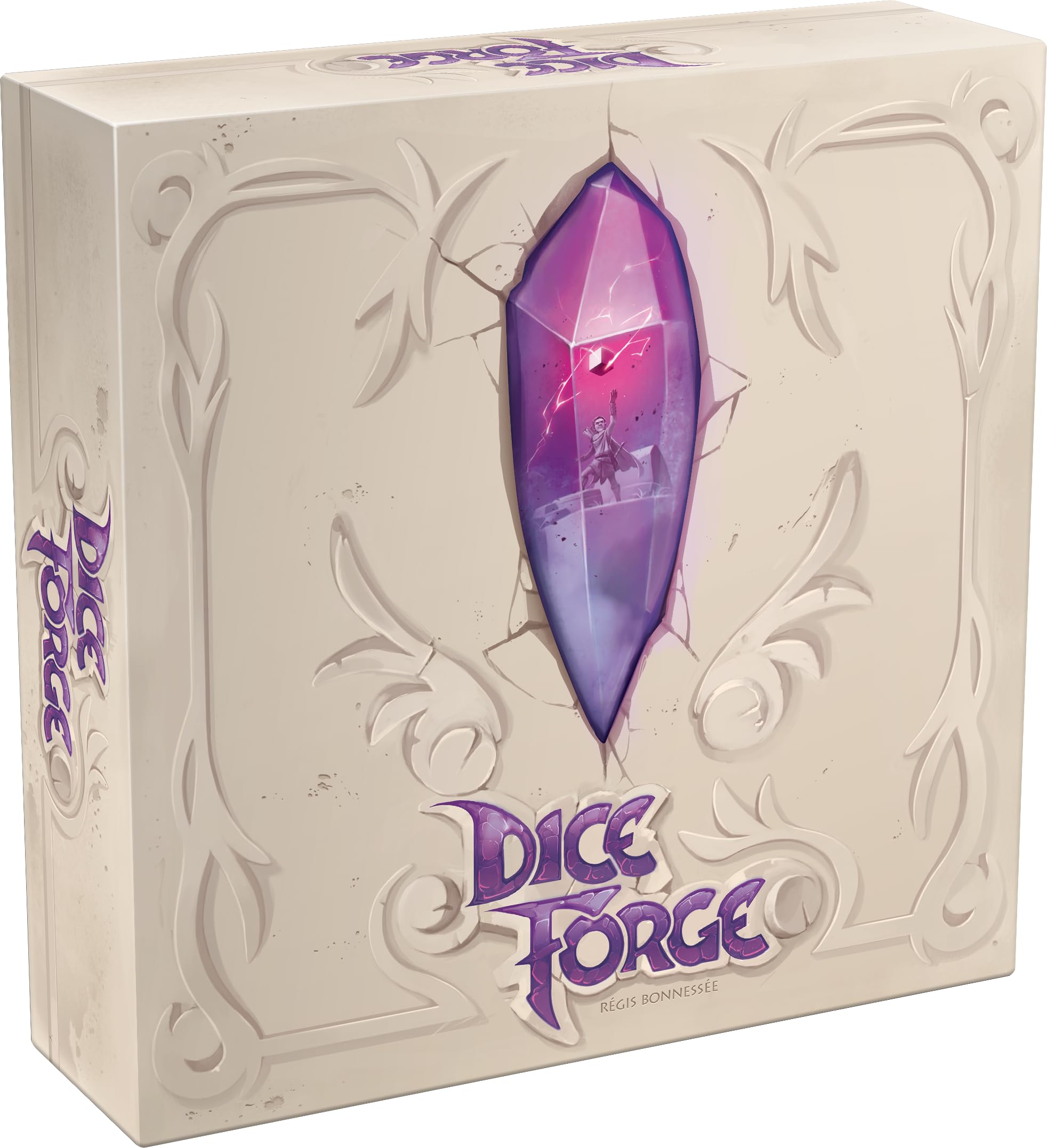
| Dice Forge | Quick, exciting rounds | $48.99 |
Detailed Reviews
1. Codenames — Perfect for Groups That Want to Talk and Think

Codenames sits at the intersection of party game and word game, which is why it's become such a staple for popular board games for family game night. One player on each team gives one-word clues to help their teammates guess secret agents from a 5×5 grid of words. It sounds simple, but the strategy comes from knowing how your specific family members think.
My favorite thing about Codenames? Setup takes 30 seconds. You literally just spread out 25 word cards and you're playing. No board to assemble, no pieces to count, no rulebook deep dive. The learning curve is so gentle that even kids as young as 8 can contribute meaningfully, while adults find themselves overthinking one-word clues for way longer than necessary. Each round lasts about 15 minutes, so you can easily fit in three or four games before anyone gets tired.
The game scales beautifully from 2 to 8+ players, though it really shines with 4-6. If you have more people, you can play as larger teams without any rule changes. The only downside is that it's entirely word-dependent—your family needs to speak the same language and have similar cultural references for the clues to land. If someone hasn't heard of a word on the board, they're at a disadvantage.
Pros:
- Takes 15 minutes per round—perfect pacing for multiple games
- Works with groups of any size (4-8+ players easily)
- Minimal setup and rules explanation
- Encourages creative thinking and hilarious moments
- Extremely replayable because different word combinations create new challenges
Cons:
- Requires everyone to speak the same language fluently
- Less fun with only 2 players (though playable)
- Some words on the cards may be unfamiliar to younger children
---
2. The Crew: Quest for Planet Nine — Cooperative Adventure for Family Bonding
The Crew: Quest for Planet Nine transforms card game mechanics into a cooperative mission where your whole family works together instead of competing. Each round presents a new puzzle: you need to win specific tricks in a specific order using cards from your hand, but here's the constraint—you can't tell other players what cards you have. You can only give one clue per trick.
This is a game that actually gets easier to play as your family learns it, because you develop shorthand communication styles. After a few rounds, a single raised eyebrow or pause might tell your spouse everything they need to know. It's genuinely clever game design, and popular board games for family game night should create moments like these where you feel connected to the people you're playing with.
The difficulty ramps up across the 50 included missions, so you can start with the tutorial levels and work your way up to genuinely challenging puzzles. At 30-45 minutes per game, it's longer than Codenames but shorter than most traditional board games. The cooperative nature means nobody gets eliminated early—everyone plays all the way through.
The main trade-off is that The Crew: Quest for Planet Nine isn't competitive, so families that thrive on beating each other might feel less engaged. Also, one particularly harsh puzzle can occasionally frustrate players, especially if someone's having an off night with their card-reading abilities.
Pros:
- Cooperative gameplay means family members work together
- 50 progressive missions provide months of new content
- Forces creative, non-verbal communication
- Perfect difficulty curve—starts easy, gets challenging gradually
- Genuinely makes you want to replay failed missions immediately
Cons:
- No competitive element (some families prefer that drama)
- Can feel frustrating when you're stuck on a puzzle
- Requires concentration—not ideal if people are very distracted
- Best with 3-4 players (plays 2-5)
---
3. The Crew: Mission Deep Sea — Trick-Taking with Hidden Depth

The Crew: Mission Deep Sea is the sequel to Quest for Planet Nine, and while it follows the same cooperative trick-taking structure, it introduces new mechanics that change how you think about the game entirely. You're still trying to complete specific objectives with hidden hands, but now you have signal tokens that let you send one-symbol clues to specific players.
What makes this version interesting for popular board games for family game night is how it teaches communication. The signal tokens are intentionally limited—you can't just spam information at your family. You have to be strategic about when and what you communicate, which creates a genuine puzzle layer on top of the trick-taking mechanics.
The campaign structure is similar to its predecessor, with progressively harder missions that unlock new rules. I'd say this version has a slightly steeper learning curve than Quest for Planet Nine, so if your family is new to cooperative games, you might want to start with that one first. Mission Deep Sea gets interesting once everyone understands the core mechanics and you can focus on the puzzles themselves.
The 45-60 minute playtime is a bit longer, and some families might find the communication restrictions frustrating during harder missions. It's not a game where you can casually chat while playing—you need everyone's focused attention.
Pros:
- Signal tokens create a unique communication puzzle layer
- Escalating difficulty across 50 missions
- Teaches strategic decision-making about information sharing
- Works beautifully for families who loved Quest for Planet Nine and want new challenges
- Genuinely tense moments when you're trying to hint at something crucial
Cons:
- Steeper learning curve than other cooperative games
- Requires sustained focus and attention (less casual)
- Signal tokens can feel restrictive if your family prefers open communication
- Best with 3-4 players, less fun solo
---
4. Clank! A Deck-Building Adventure — Competitive Adventure with Excitement

Clank! combines deck-building (where you gradually improve your hand of cards) with a fantasy dungeon-crawling theme. You're thieves racing through a dragon's lair, collecting treasure while trying not to make too much noise. The "clank" noise alerts the dragon, and if the dragon catches you before you escape, you lose that round's treasure.
This is a popular board game for family game night that leans into the adventure fantasy theme hard. The artwork is colorful and fun, and the actual gameplay has genuine tension—you're constantly deciding whether to be greedy (grab one more treasure, make more noise) or cautious (escape quickly). Kids especially love the dragon threat hanging over everything.
The deck-building aspect means that early rounds feel chaotic because everyone's working with a limited starting deck, but by mid-game, you've acquired better cards and your strategies become clearer. A typical game runs 45-60 minutes with 3-4 players, which is long enough to feel substantial but not so long that attention wanes.
Clank! at $64.99 is your investment choice here—it's more expensive than the other games because of the components and production quality. It's definitely worth the price if your family loves theme and adventure games, but it's overkill if you're just looking for something to play once a week casually. Also, the deck-building component means games 2 and 3 feel slightly repetitive (same starting cards) unless you're specifically okay with that loop.
Pros:
- Strong fantasy theme keeps players emotionally invested
- Deck-building creates progression and strategy
- Dragon threat mechanic creates genuine tension and memorable moments
- Beautiful components and artwork
- Plays 2-4 (though best with 3-4)
Cons:
- More expensive than most family games ($64.99)
- Takes longer than other options (45-60 minutes)
- Deck-building means the first game plays quite differently from subsequent games
- Can feel frustrating for players who get unlucky with card draws
- Teaches competitive play rather than cooperation
---
5. Dice Forge — Quick Rounds with Satisfying Customization
Dice Forge flips the script on dice games by letting you physically modify your dice during play. You start with standard six-sided dice, but as you earn resources, you can replace the faces with better outcomes. By mid-game, you're rolling dice that are completely customized to your strategy, which feels genuinely satisfying.
The core mechanic is simple: roll your dice, collect resources, spend those resources to improve your dice, rinse and repeat. But that simplicity is the genius part—it takes about five minutes to explain to new players, but the strategy emerges naturally as people realize how their dice customization affects future rolls.
Games run about 30-40 minutes, making it perfect for popular board games for family game night when you want something meatier than Codenames but shorter than Clank!. The variable player powers (each player picks a different hero with unique abilities) means games feel distinct from each other, so replay value is solid.
The downside is that Dice Forge is purely competitive—it's about individual advancement, not shared victory. Some families find that tiring after several rounds. Also, luck plays a significant role in dice outcomes, which means a player can feel like they're losing despite good strategy, and that's frustrating for some people.
Pros:
- Physically modifying dice creates tactile satisfaction
- Quick playtime (30-40 minutes) keeps energy high
- Teaches resource management naturally through gameplay
- Variable heroes provide different strategic paths
- Scales well from 2-4 players
Cons:
- Purely competitive (not for families seeking cooperation)
- Luck-dependent (good strategy doesn't guarantee wins)
- Some players find dice variance frustrating
- Less thematic than Clank! (more abstract)
---
How I Chose These
I looked specifically for games that nail the family game night sweet spot: they teach their rules in under five minutes, play in 15-60 minutes, and work with 3-6 players (the typical family size). I weighted heavily toward games where everyone stays engaged the entire time—no long turns where one person analyzes the board while others wait.
I also prioritized variety in game type. Codenames is a word game. The Crew games are cooperative card games. Clank! is a deck-building adventure. Dice Forge is a dice game. That way, a family doing game night weekly has genuine variety rather than playing the same type of game repeatedly.
The price range matters too. I included games at different price points because a family's first game purchase might be $15-20, while a third or fourth purchase can justify $65 if they know exactly what they're getting.
---
Frequently Asked Questions
What's the best popular board game for family game night with kids under 8?
Codenames works great because it's purely cooperative (no one gets eliminated) and kids that young can contribute meaningfully even if they don't win. The Crew: Quest for Planet Nine also works, though some 6-year-olds might need more guidance. Avoid Clank! and Dice Forge with very young kids—the rules and strategies feel overwhelming for them.
How do I choose between The Crew games—Quest for Planet Nine vs. Mission Deep Sea?
Start with Quest for Planet Nine. It's cheaper ($14.95 vs. $18.21), teaches the cooperative trick-taking concept more gently, and you'll get dozens of hours from the 50 missions. Move to Mission Deep Sea only after you've mastered that one and want the added complexity. They're designed as a progression, not a choice between one or the other.
Can I play these games with just 2 players?
Most work fine with 2 players, but they shine with 3-4. Codenames is the exception—it's specifically designed for teams, so 2 players means you'd both be on the same team, which removes the competitive element. The Crew games work beautifully with 2 players. Clank! and Dice Forge both play fine with 2, just understand that the dynamic changes slightly.
Are these games good for mixed ages (like grandparents playing with teenagers)?
Absolutely. Codenames is specifically designed for this. The Crew games work well across ages because they're cooperative and don't require quick reflexes. Clank! and Dice Forge are best when everyone at the table is roughly similar in strategic thinking, though they work fine with mixed ages as long as you have patience for teaching.
---
These popular board games for family game night each solve a different problem: Codenames for groups that want fun and laughter, The Crew games for families seeking cooperation, Clank! for adventure lovers, and Dice Forge for people who want quick tactical decisions. Start with whichever matches your family's actual preferences, not what you think game night should look like. The best game is the one your family actually wants to play again next week.
Get the best board game picks in your inbox
New reviews, top picks, and honest recommendations. No spam, unsubscribe anytime.
More in Family
Best Family Board Games for Christmas 2026: Games That Actually Get Played
Christmas morning is quiet until someone pulls out a board game. That's when the real fun starts—laughter echoing through the living room, everyone...
Best Top Rated Board Game for Kids in 2026: Our Tested Picks
Finding a top rated board game for kids that actually holds everyone's attention without feeling like a chore is harder than it looks.
Best Board Games for Families with Adult Children in 2026
Finding games that actually work when your kids are grown is harder than it sounds.