By Jamie Quinn · Updated April 15, 2026
The Best Campaign Board Games for 2026: Epic Stories You'll Actually Want to Replay



The Best Campaign Board Games for 2026: Epic Stories You'll Actually Want to Replay
Campaign board games offer something special—they let you build a narrative across multiple sessions, watch your characters evolve, and make decisions that genuinely matter to the story unfolding in front of you. Whether you're chasing treasure through a fantasy dungeon or investigating cosmic horrors, the best campaign board games blend strategic gameplay with compelling storytelling.
Quick Answer
Gloomhaven is our top pick for campaign board games. It delivers 50+ hours of interconnected adventures with meaningful character progression, modular difficulty scaling, and a branching campaign that responds to your choices—all wrapped in rock-solid tactical gameplay that stays fresh across dozens of sessions.
Our Top Picks
| Product | Best For | Price |
|---|---|---|
| Gloomhaven | Deep, long-form campaigns with tactical combat | $199.99 |
| Frosthaven | Experienced players wanting Gloomhaven's sequel with new mechanics | $199.99 |
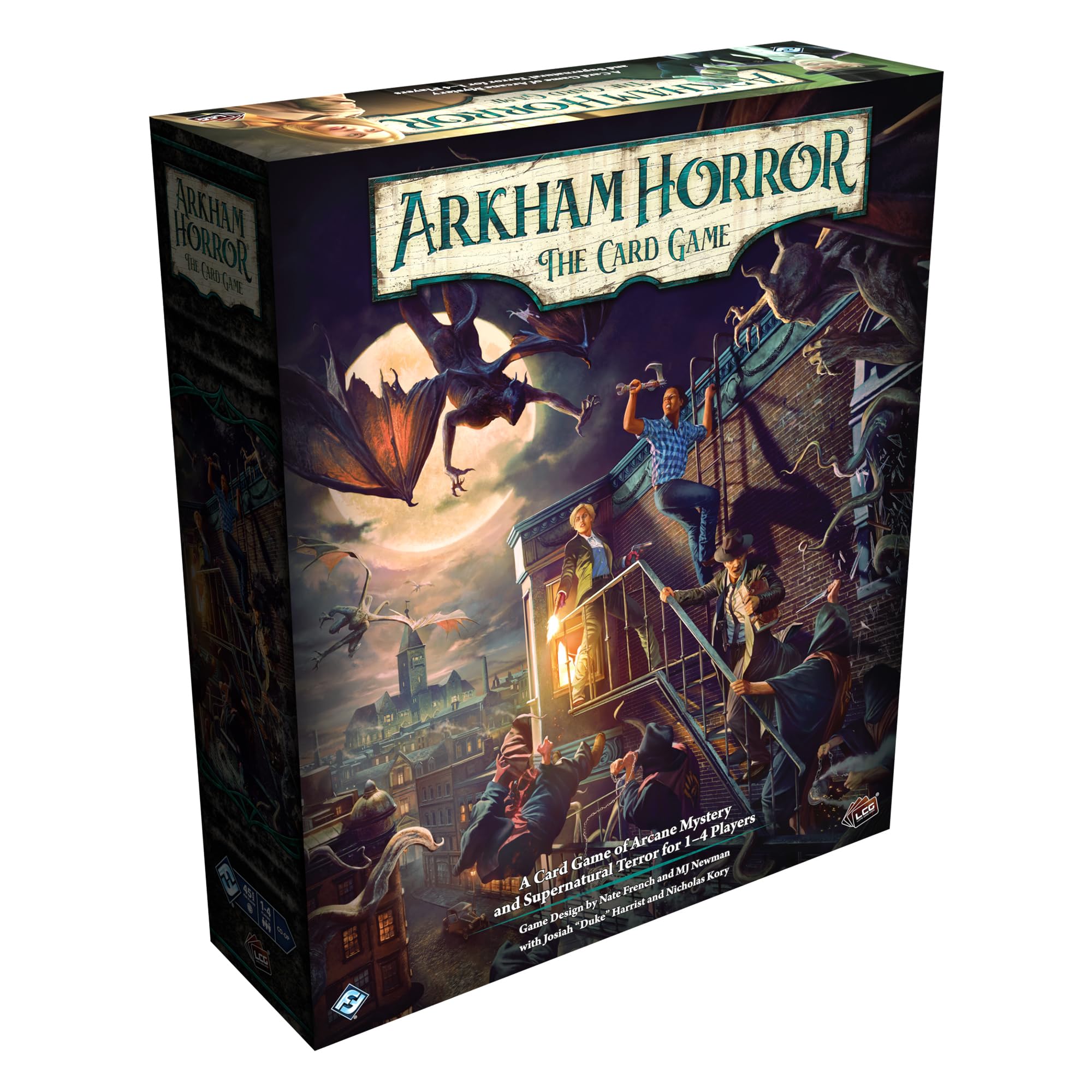
| Arkham Horror: The Card Game | Story-driven investigators solving mysteries | $69.99 |
| Imperium: Classics | Solo campaigns with multiple civilization arcs | $34.85 |
| Ashes Reborn: Rise of the Phoenixborn | Competitive campaigns with card-driven asymmetry | $28.01 |
Detailed Reviews
1. Gloomhaven — The Gold Standard for Tactical Campaigns

Gloomhaven stands as the definitive entry point into top 10 campaign board games for good reason. This is a game that respects your time investment by delivering meaningful decisions every single turn. You'll manage hand limitations, position characters tactically on a grid-based board, and watch your party grow stronger across 50+ scenarios. The campaign tracks your choices—which contracts you accept, which enemies you eliminate, which treasure you claim—and the story shifts based on your decisions. Character progression feels earned rather than predetermined, with permanent item upgrades and ability unlocks that meaningfully change how you play.
The modular difficulty system means you're never fighting an unfair battle. Too easy? Bump the difficulty. Getting demolished? Scale back. This flexibility keeps the experience engaging whether you're veteran board gamers or stepping into campaign games for the first time. Solo play works brilliantly, and the 2-4 player sweet spot creates natural tension as players coordinate tactics.
Pros:
- 50+ interconnected scenarios that genuinely respond to your choices
- Character progression feels meaningful, not cosmetic
- Grid-based tactical combat demands actual strategy, not luck
- Scaling difficulty ensures the challenge stays balanced
- Campaign can take 50-100+ hours depending on how many scenarios you pursue
Cons:
- $199.99 is a serious investment upfront
- Setup takes 10-15 minutes per session
- Components can wear after extended play (sleeves recommended)
- Learning curve on rules is steeper than lighter campaign games
2. Frosthaven — The Polished Sequel for Experienced Players
If Gloomhaven clicked for you and you've completed the campaign, Frosthaven is the natural next step. This sequel refines nearly every system while introducing new mechanics that fundamentally change how top 10 campaign board games play. Crossover events let you tie your Frosthaven campaign directly to your Gloomhaven story, creating continuity across both games.
Frosthaven adds town management alongside dungeon crawling. Between adventures, you're not just resting—you're managing a settlement, upgrading buildings, and investing in your community's future. This adds strategic depth beyond individual scenarios. The new classes feel genuinely different from Gloomhaven's archetypes, and the modular puzzle scenarios break up the traditional combat encounters with refreshing variety.
The component quality improved noticeably over Gloomhaven. Cards feel sturdier, tokens are more intuitive, and the overall production values justify the premium price. However, this is a game built for people who already understand campaign board games deeply.
Pros:
- Town management system adds strategic layers beyond combat
- Component quality is noticeably improved from Gloomhaven
- Scenario variety feels broader with puzzle and exploration elements
- Can integrate with Gloomhaven for an extended narrative
- New card mechanics prevent the experience from feeling repetitive
Cons:
- $199.99 entry cost is steep
- Assumes familiarity with Gloomhaven's systems and terminology
- Setup is even more involved than Gloomhaven
- Best experienced by 2-4 players; solo play works but feels less engaging
- Town management adds complexity that some players find fiddly
3. Arkham Horror: The Card Game — Narrative Mystery Through Cooperative Play
Arkham Horror: The Card Game strips away the grid-based combat that defines many top 10 campaign board games and replaces it with investigation, resource management, and escalating dread. You're investigators confronting Lovecraftian horrors across interconnected scenarios, and your sanity—represented literally as damage to your deck—matters as much as your health.
Each campaign tells a self-contained story across 3-8 scenarios. Your investigators gain experience and trauma that carries forward, and permanent trauma reshapes your deck for the remainder of the campaign. This makes failure feel consequential in ways that pure tactical games sometimes miss. The narrative branching is substantial; your choices on one scenario directly impact available options in later ones.
The card-driven mechanics mean every playthrough varies based on which assets you draw, which encounters appear, and which investigators you select. This replayability justifies multiple campaign runs.
Pros:
- Strong narrative focus with meaningful branching
- Investigator variety creates different tactical approaches
- Campaign structure (3-8 scenarios) feels naturally paced
- Exceptional atmospheric design through card art and flavor text
- Multiple campaigns available means 20+ hours of distinct stories
Cons:
- Card-dependent—bad luck on draws can feel unfair
- Scenario setup requires careful organization and card management
- $69.99 base game plus need for expansions creates ongoing costs
- 2-player sweet spot; solo play works but feels less thematic
- Rules interactions can get complex and require rulebook reference
4. Imperium: Classics — Solo Campaign Depth in a Compact Package
Imperium: Classics deserves recognition as an underrated gem among campaign board games. For $34.85, you get multiple 5-6 hour campaigns, each following a different civilization's rise and fall across 30 turns. The asymmetry is stunning—each civ plays by fundamentally different rules, which means each campaign arc feels genuinely fresh.
This is a deck-building game at its core, but the campaign structure transforms it into something deeper. You're not just optimizing a single powerful deck; you're managing a civilization's evolution through eras, adapting strategies as your available cards shift. Permanent decisions reshape future gameplay, which creates the narrative thread that connects solo campaign sessions.
The solo experience here outpaces many games explicitly designed for multiplayer. There's genuine tension in managing resources and timing your civilization's pivots. The game respects your intelligence—it doesn't hold your hand or soften difficulty for emotional reasons.
Pros:
- $34.85 represents incredible value for campaign content
- Five distinct civilizations mean radically different campaign experiences
- Solo play is intentional design, not an afterthought
- Deck-building mechanic keeps gameplay engaging across 30+ turns
- Relatively quick setup and session length (5-6 hours per campaign)
Cons:
- Multiplayer is an afterthought; this game is built for solo play
- Visual presentation is functional but uninspired
- Rules clarity could be stronger in the rulebook
- Card-dependent outcomes can create moments where luck dominates
- Not ideal if you want shared-table narrative experiences
5. Ashes Reborn: Rise of the Phoenixborn — Asymmetric Competition with Campaign Depth
Ashes Reborn: Rise of the Phoenixborn occupies an interesting space in top 10 campaign board games—it's a competitive card game that unfolds as a campaign. Two players take opposing sides, with each match building toward narrative conclusions. The Phoenixborn characters are radically asymmetric; each plays with different units, spells, and strategic focuses.
Campaigns track wins, losses, and special events that cascade into future matches. You're building toward victory conditions that require not just winning individual duels, but achieving specific campaign objectives. This transforms what could be a pure competitive card game into something with genuine narrative stakes.
At $28.01, it's the most affordable entry into campaign board games, which makes it perfect for players curious about the format but hesitant to invest heavily.
Pros:
- Radical asymmetry between characters creates replayability
- Campaign structure adds meaningful stakes to competitive play
- $28.01 price point is accessible for experimenting with campaigns
- 2-player games are fast enough for multiple sessions in one sitting
- Character variety supports multiple campaign approaches
Cons:
- Competitive focus means less collaborative storytelling
- Balance between characters isn't perfectly calibrated
- Best as a 2-player game; doesn't scale to groups
- Card availability can feel restrictive compared to deck-building games
- Campaign progression sometimes feels separated from match outcomes
How I Chose These
I evaluated campaign board games across several dimensions: narrative responsiveness (does the story actually change based on your choices?), mechanical depth (do gameplay decisions stay interesting across 20+ hours?), component quality and longevity, accessibility for different player counts, and honest value relative to the asking price. I weighted replayability heavily because a campaign game you shelve after one playthrough isn't delivering value. I also considered the full range—tactical dungeon crawlers, card-driven investigations, deck-building campaigns, and competitive narrative experiences—rather than favoring one category. The five games above represent different philosophies of what campaign board games can accomplish, which means there's genuine diversity in recommendation rather than just variations on one theme.
Frequently Asked Questions
What's the difference between a campaign board game and a regular board game?
Campaign games track persistent state across multiple sessions—character progression, story choices, permanent card effects, or world changes. A regular game resets to the starting position each time you play. This persistence creates narrative continuity and makes your decisions feel consequential in ways that episodic games can't match.
How long does it take to complete a campaign in top 10 campaign board games?
It varies dramatically. Ashes Reborn campaigns can finish in 5-8 hours total. Arkham Horror campaigns run 12-20 hours. Gloomhaven campaigns easily exceed 50 hours if you pursue all available scenarios. This range actually matters for planning—some groups want a definitive endpoint within a month, while others treat campaign games as ongoing commitments that last a year.
Do I need expansions to get full value from these games?
Not necessarily. Every game above delivers complete experiences from the base box. Arkham Horror benefits from expansions due to limited campaign variety, but Gloomhaven, Frosthaven, Imperium: Classics, and Ashes Reborn all feel substantial without additional purchases. That said, expansions add meaningful content if you fall in love with a particular game.
Can I play these games solo, or are they designed for groups?
Gloomhaven and Frosthaven work excellently solo or in groups. Imperium: Classics is explicitly solo-focused. Arkham Horror plays at its best with 2 players but has solid solo variants. Ashes Reborn is strictly 2-player competitive. Choose based on your actual play pattern rather than assuming multiplayer games must be shared experiences.
Which campaign board game should I buy first if I'm new to the format?
Start with Imperium: Classics or Ashes Reborn if you want to test the waters affordably. Jump to Gloomhaven if you're confident you'll play regularly and want the deepest tactical experience. Choose Arkham Horror if narrative and atmosphere matter more than mechanical complexity. None of these are wrong choices; they match different preferences.
Finding the right campaign board game depends on whether you prioritize tactical depth, narrative branching, accessibility, or replayability. Gloomhaven and Frosthaven offer the most comprehensive experiences, but they're investments. Arkham Horror delivers superior storytelling for investigators who appreciate mystery over combat. Imperium: Classics maximizes solo play value. Ashes Reborn is the most affordable entry point. Start with what appeals to your group's actual interests rather than chasing reputation.
Get the best board game picks in your inbox
New reviews, top picks, and honest recommendations. No spam, unsubscribe anytime.