By Jamie Quinn · Updated April 12, 2026
The Best Family Board Games of 2026: Our Top Picks for Game Night


The Best Family Board Games of 2026: Our Top Picks for Game Night
Finding the right board game for your family can feel overwhelming with so many options out there. I've spent the last few years testing games with different age groups and player counts, and I've narrowed down what actually works when you've got everyone at the table—from the competitive player to the one who just wants to have fun. Here are the games that have earned regular rotation in households that care about real gameplay and actual engagement.
Quick Answer
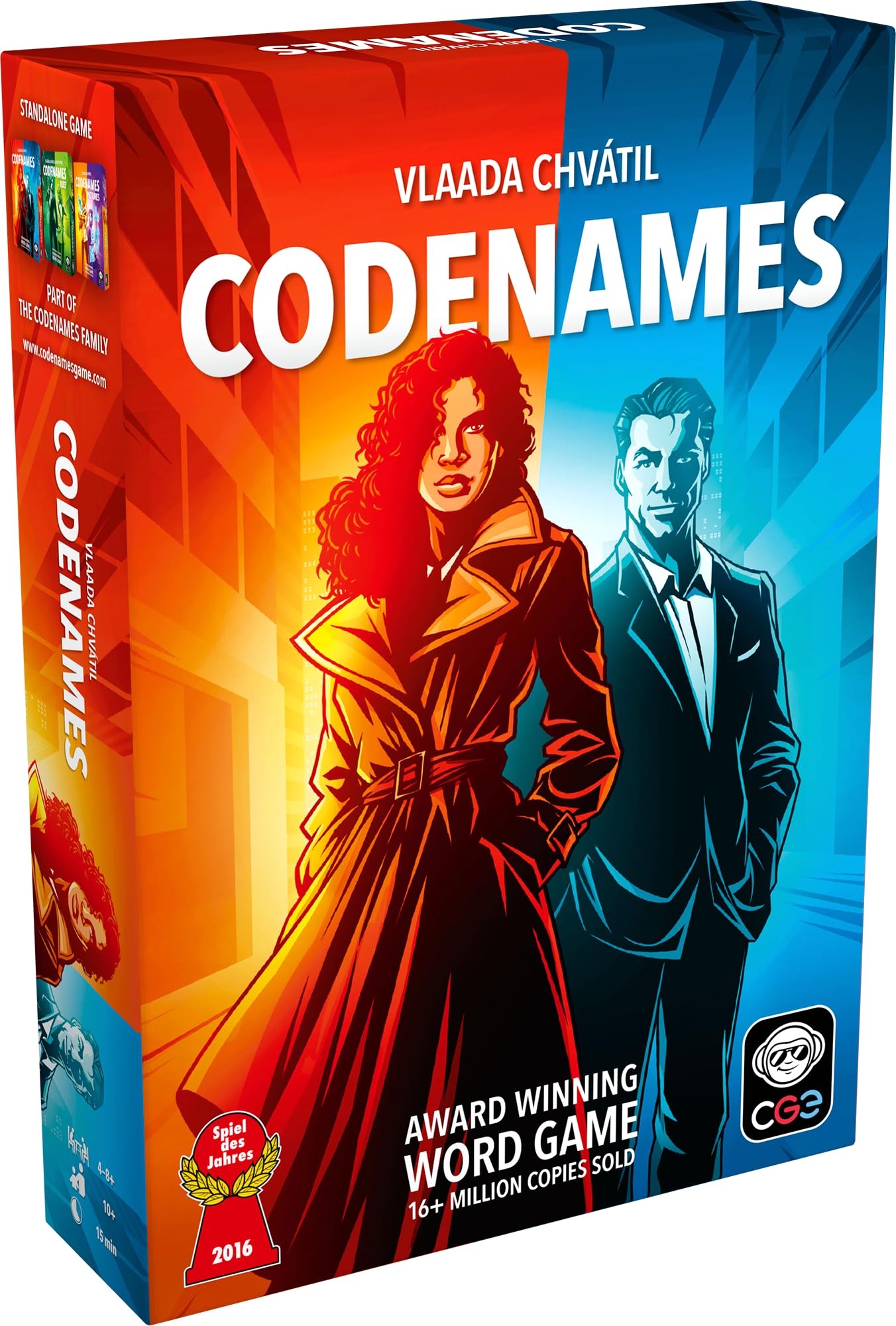
Codenames is the top family board game of the year if you want something that works with groups of all sizes, keeps everyone involved the entire time, and never overstays its welcome. It's cheap, easy to teach, and somehow manages to be competitive without anyone feeling left out.
Our Top Picks
| Product | Best For | Price |
|---|---|---|
| Codenames | Large groups and fast-paced family nights | $19.94 |
| The Crew: Quest for Planet Nine | Families wanting cooperative gameplay | $14.95 |
| The Crew: Mission Deep Sea | Groups of 2-5 who like puzzle-like challenges | $18.21 |
| Clank! A Deck-Building Adventure | Families who want adventure and deck-building mechanics | $64.99 |
| Dice Forge | Families wanting dice customization and quick turns | $48.99 |
Detailed Reviews
1. Codenames — The Gold Standard for Family Game Night

Codenames stands out as the top family board game of the year because it solves a problem most games don't: how to keep everyone engaged and laughing the entire time. You divide into teams, and one person gives one-word clues to help their team identify which words on the board belong to them. That's it. But the genius is in how those constraints force creativity, and how quickly a round moves.
What makes this work for families specifically is that no one sits around waiting for their turn. Both teams are always thinking, always trying to guess, and the clue-giving happens fast enough that attention spans stay sharp. I've played this with eight-year-olds and grandparents in the same game, and everyone stays invested.
The word cards never repeat (there are hundreds of unique combinations), so you can play dozens of times before anything feels stale. Setup takes 30 seconds. A round lasts 15-20 minutes. Teaching it takes two minutes because the rules are genuinely simple.
Pros:
- Works with groups of 4-8+ people
- Every player stays engaged the entire game
- Quick to teach and quick to play
- Extremely affordable
- Endless replayability with different word combinations
Cons:
- Needs at least 4 people to be genuinely fun
- Word card quality could be better for the price
- If someone hates word games, they won't enjoy this
2. The Crew: Quest for Planet Nine — The Cooperative Game That Rewires Your Brain
The Crew: Quest for Planet Nine might be the best value in the top family board game of the year category. This cooperative card game starts simple—play cards in ascending order to complete missions—but the twist is you can't tell other players what cards you have. You communicate only through limited clues.
This is genuinely different from what most families play. Instead of competing against each other, you're all working toward the same goal, which changes the whole dynamic. There's no winner that makes someone feel bad, but there's absolutely tension because completing missions gets progressively harder.
The campaign structure (there are 50 missions) means you're progressively learning new rules and mechanics. Early missions teach you the basics; later ones introduce time limits, hidden cards, and special rules that completely change strategy. Playing through a campaign takes about 4-5 hours total, spread across multiple sessions.
The low price point is shocking for how much game you're getting. This isn't a throwaway title—it's been nominated for serious board game awards.
Pros:
- Cooperative gameplay builds team cohesion rather than division
- 50 missions provide genuine progression
- Rules escalate naturally so learning never feels overwhelming
- Works great with 2-4 players
- Incredibly affordable
Cons:
- Some missions can feel frustrating if you get unlucky with card draws
- Not for players who only want competitive games
- Takes more explanation than Codenames, though still straightforward
3. The Crew: Mission Deep Sea — The Advanced Version with More Challenge
The Crew: Mission Deep Sea is the sequel to Quest for Planet Nine, and it stands as its own independent game. If you want the same cooperative, communication-limited gameplay but with different mechanics, this delivers. Instead of a space theme, you're exploring the ocean, and instead of ascending card sequences, you're managing trick-taking with modified rules.
This version introduces simultaneous play and other mechanics that make it feel distinct enough that owning both doesn't feel redundant. The missions are similarly structured with progressive difficulty, and the same "you can't talk directly about your hand" restriction keeps you constantly thinking about how to signal information.
Where this differs most: The Crew: Mission Deep Sea is slightly tighter and more puzzle-like. Some groups prefer this structure; others prefer the simplicity of Quest for Planet Nine. Both are genuinely good. This one edges slightly ahead if you have players who like deep thinking and puzzle-solving over speed and flow.
Pros:
- Independent game that doesn't require owning Quest for Planet Nine
- Trick-taking mechanics feel different from the original
- 50 missions again provide real campaign length
- Excellent for 2-5 players
- Great price for the content
Cons:
- If you own Quest for Planet Nine, the formula is familiar
- Trick-taking rules are more complex than straight card ordering
- Some families will find it harder to teach than the first one
4. Clank! A Deck-Building Adventure — The Gateway to Deck-Building Games

Clank! A Deck-Building Adventure combines deck-building mechanics with a fantasy adventure theme where you're actually moving around a board stealing treasure and running from a dragon. This is genuinely clever design because it solves the problem with most deck-builders: you're playing cards in a vacuum rather than a story.
Here, every card you buy and every turn you take matters spatially and strategically. Do you buy the strong card now, or do you keep your deck tight so you can draw your key cards more often? Should you push deeper into the dungeon for better treasure, or play it safe? The dragon mechanic (where noise you make can wake it up and chase you) adds this constant tension.
The art is excellent, the components feel good, and teaching someone new takes about 10 minutes. Games run 30-60 minutes depending on player count and experience level.
This works as a family game specifically because it's got adventure flavor that appeals to kids, but actual strategic depth that keeps adults engaged. It's one of the few games that scales legitimately well—a game with two players feels completely different from one with four.
Pros:
- Combines deck-building with board movement and adventure theme
- Every decision feels meaningful
- Scales beautifully from 2-4 players
- Great components and art
- Teaches deck-building mechanics without overwhelming new players
Cons:
- Higher price point than most on this list
- Setup takes a few minutes
- If someone doesn't like fantasy themes, the flavor won't help engagement
- Requires more rule-reading than some family games
5. Dice Forge — The Game Where You Customize Your Dice
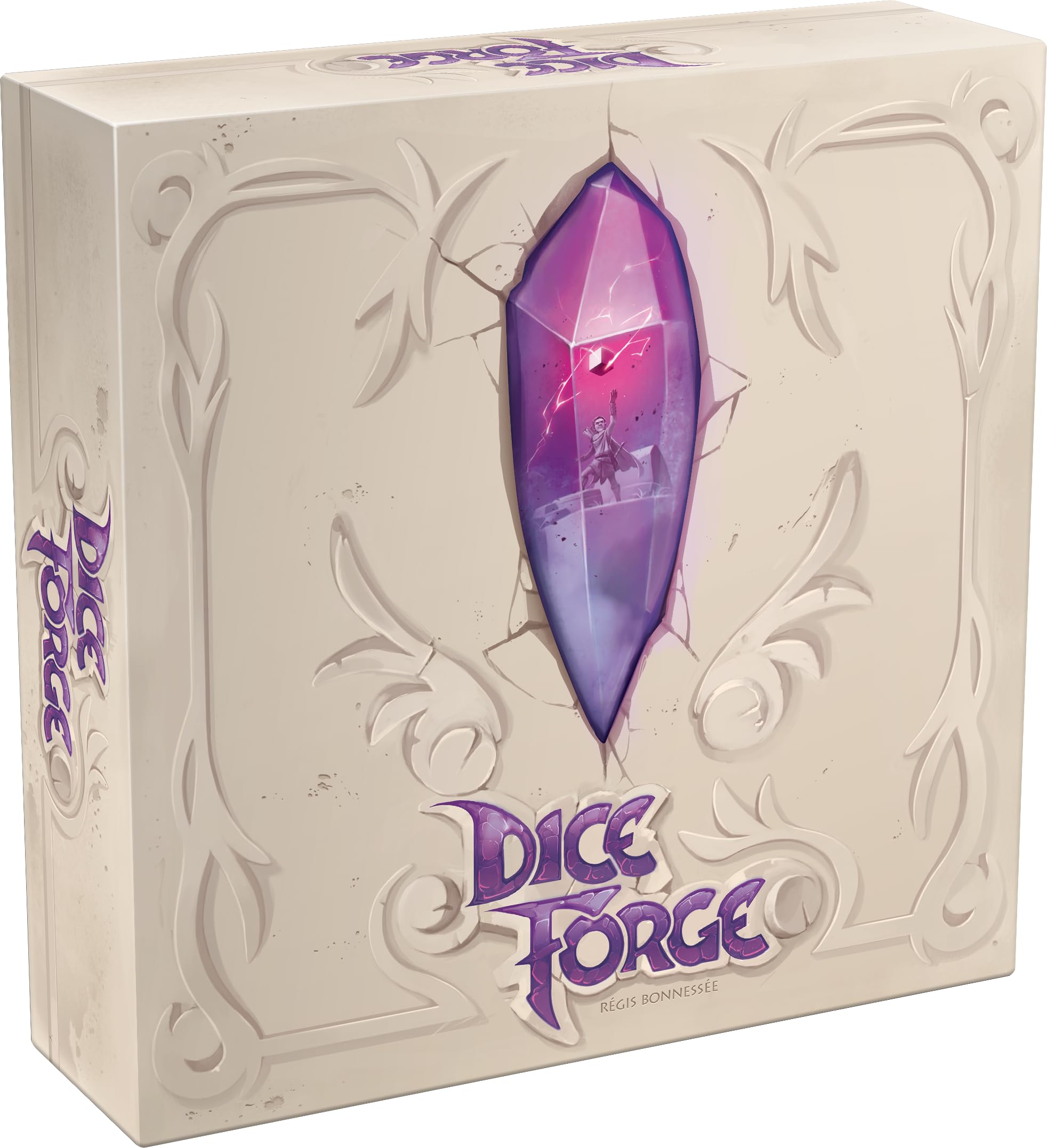
Dice Forge is fundamentally about rolling dice, but with a twist: your dice aren't static. As you earn rewards, you actually customize the faces on your dice by replacing them with new faces. It sounds gimmicky, but it completely changes how you feel about rolling them. By late game, your dice are genuinely yours in a way that matters.
The top family board game of the year conversation often misses games like this, which prioritize accessibility and fun over heavy strategy. Dice Forge isn't pretending to be a strategic masterpiece—it's genuinely fun, pretty to look at, and gives players this tangible sense of progression.
Turns move quickly because you're mainly rolling dice and collecting resources. There's luck involved, sure, but the customization layer means you're building toward consistency. Newer players can win because they get lucky rolls early; experienced players can usually claw back because they've built better dice. It's balanced in that way.
Setup is straightforward, games run 40-50 minutes, and it plays well from 2-4 people. The component quality is noticeably good.
Pros:
- Dice customization mechanic is genuinely unique
- Quick turns keep the game moving
- Beautiful components and table presence
- Accessible to new players while rewarding strategy
- Good scaling across player counts
Cons:
- Luck is a significant factor (not for everyone)
- Some luck can feel frustrating in late game
- If you hate dice rolling, you won't enjoy this
- Mid-range price for what is fundamentally a lighter game
How I Chose These
I selected these games based on what actually happens in family game nights: Can everyone understand the rules? Does the game feel different each time you play? Do people stay engaged the entire time? Does someone walk away feeling bad?
I weighted accessibility heavily because the best game nobody can teach isn't useful. I also considered replayability—games that play the same way every session wear out fast. The cooperative games on this list excel because they remove the "someone loses and feels bad" dynamic while keeping genuine challenge. The competitive games work because they're fast enough that losing doesn't sting, and everybody's involved throughout.
Price mattered too. Clank! and Dice Forge cost more, but they deliver accordingly. The sub-$20 games offer exceptional value. I avoided games that need tons of setup, require reading rulebooks before teaching, or have downtime where some players sit around.
Frequently Asked Questions
What's the best top family board game of the year for kids under 10?
Codenames (with simplified word cards) and Dice Forge work great for this age because both are visual and move quickly. The Crew games work if kids are comfortable with slight puzzle-solving. Avoid Clank! for younger kids unless someone can help them track resources.
Can I play these with just two people?
Yes—The Crew games absolutely shine with two players. Dice Forge works fine. Clank! works but plays differently. Codenames needs at least four people to feel right.
Which game is best if we have kids and adults of different ages together?
Codenames, hands down. It doesn't matter if you're 8 or 80—word association and team competition work across every age. Dice Forge is a close second.
How long do these games actually take?
Codenames: 15-20 minutes. The Crew games: 15-30 minutes per mission. Clank!: 30-60 minutes. Dice Forge: 40-50 minutes. None overstay their welcome.
Are these games still fun on the 20th time you play?
Codenames and both Crew games? Yes. They replay because the configurations/missions change. Clank! and Dice Forge remain fun but with less novelty after 10+ plays.
If you're looking for genuine engagement at the family table, start with Codenames if you want competitive fun or The Crew: Quest for Planet Nine if you want to work together. Both cost under $20 and deliver night after night. Add Clank! later if someone wants a longer adventure experience, or Dice Forge if your group likes dice and customization.
Get the best board game picks in your inbox
New reviews, top picks, and honest recommendations. No spam, unsubscribe anytime.
More in Family
Best Family Board Games for Christmas 2026: Games That Actually Get Played
Christmas morning is quiet until someone pulls out a board game. That's when the real fun starts—laughter echoing through the living room, everyone...
Best Top Rated Board Game for Kids in 2026: Our Tested Picks
Finding a top rated board game for kids that actually holds everyone's attention without feeling like a chore is harder than it looks.
Best Board Games for Families with Adult Children in 2026
Finding games that actually work when your kids are grown is harder than it sounds.