By Jamie Quinn · Updated April 12, 2026
What Is the Best Family Board Game 2026? Our Picks for Every Type of Family


What Is the Best Family Board Game 2026? Our Picks for Every Type of Family
Finding a board game that actually keeps everyone entertained—from the 8-year-old to the competitive adults—feels impossible sometimes. Most games either drag on forever or bore half the table. After testing dozens of options, I've found five games that genuinely work for families, each solving different problems you might face at game night.
Quick Answer
The Crew: Mission Deep Sea is our top pick for the best family board game 2026. It works brilliantly with players of any age because it removes the typical "someone's winning too much" problem—everyone succeeds or fails together. At just $18.21, you get a cooperative experience that plays in 15 minutes and actually makes people want to play again immediately.
Our Top Picks
| Product | Best For | Price |
|---|---|---|
| The Crew: Mission Deep Sea | Families wanting quick cooperative fun | $18.21 |
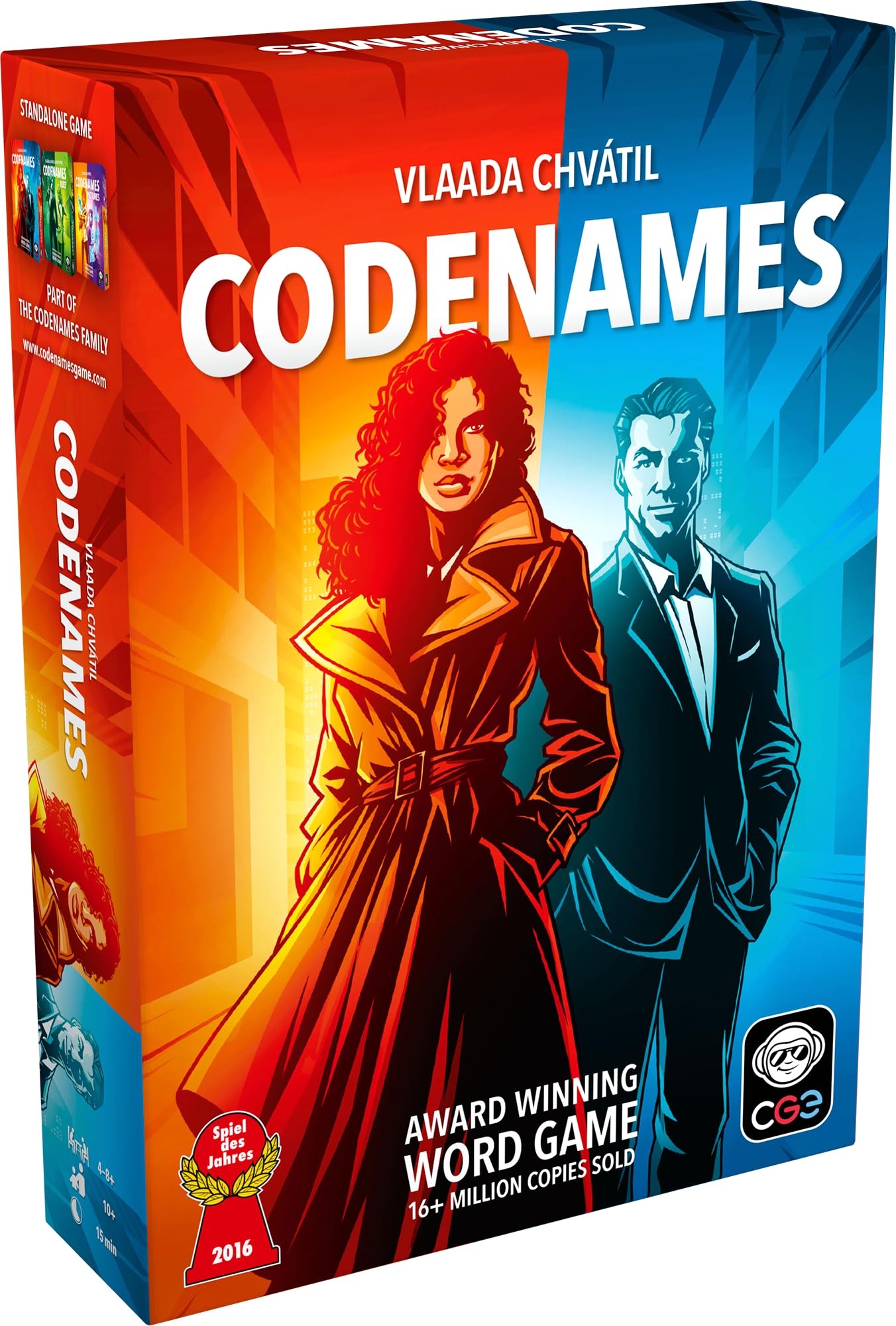
| Codenames | Larger groups and team-based fun | $19.94 |
| The Crew: Quest for Planet Nine | Budget-conscious families | $14.95 |
| Clank! A Deck-Building Adventure | Families who love theme and adventure | $64.99 |
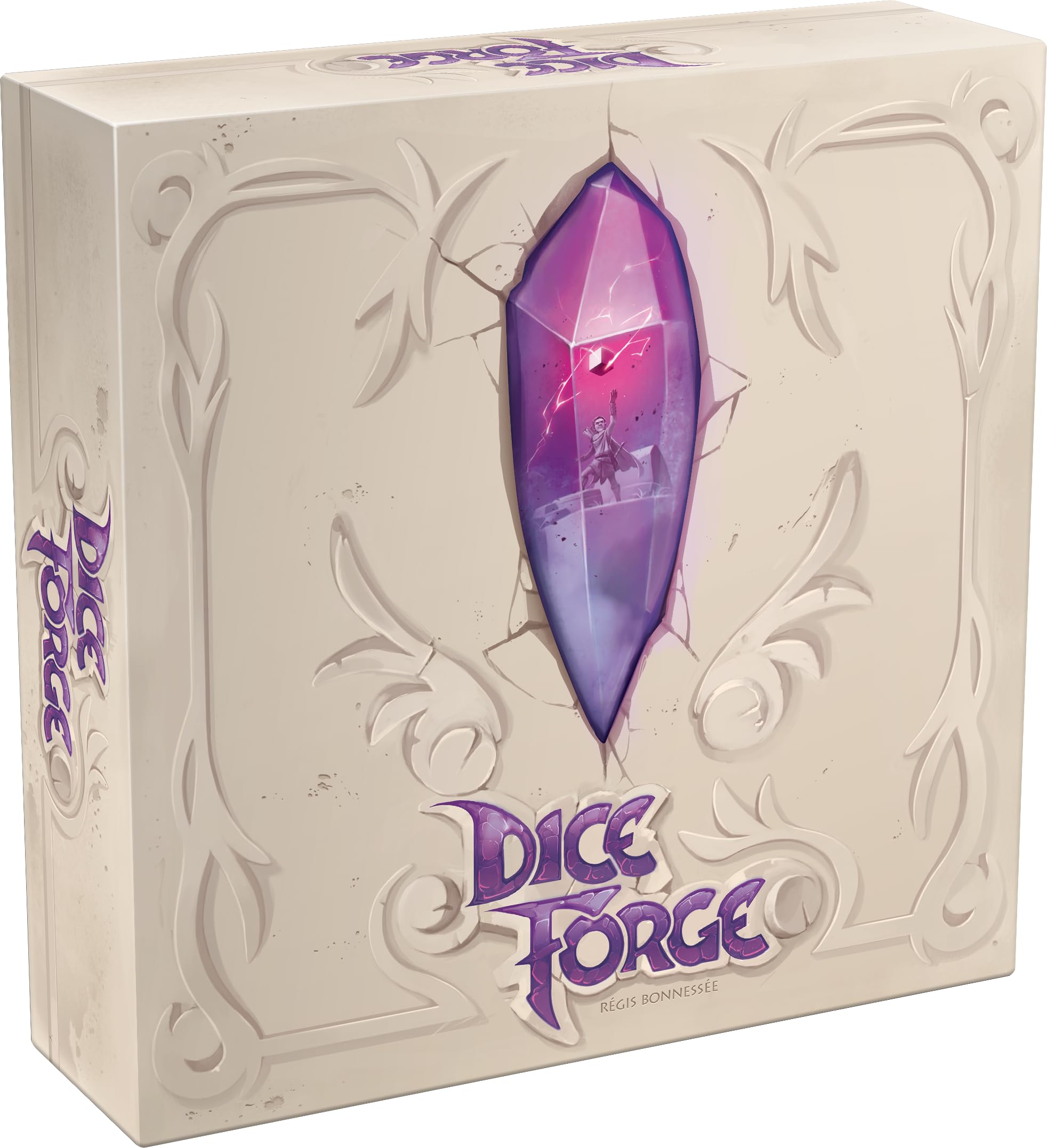
| Dice Forge | Families wanting gorgeous, strategic gameplay | $48.99 |
Detailed Reviews
1. The Crew: Mission Deep Sea — Best Overall Family Experience
The Crew: Mission Deep Sea flips the script on family gaming by making everyone work toward a shared goal instead of competing for victory. You're all submarine crew members completing increasingly difficult missions, and you can't discuss your cards openly—only through limited communication and careful hints. This constraint creates genuine tension and forces families to actually think strategically together.
The game includes 50 different missions, so replayability is built in from day one. Each mission takes about 15 minutes, which means if a family member isn't feeling it, you're not locked into a 90-minute commitment. The difficulty progression is brilliantly designed: early missions feel winnable, but later ones require real coordination and memory work. This teaches kids that sometimes struggling together is more fun than crushing opponents.
I particularly love that this game works with surprisingly young kids (around 6 or 7 with help) and still challenges adults. The communication restrictions prevent anyone from dominating the table—a huge problem I've seen in other cooperative games.
Pros:
- Incredibly affordable at $18.21
- Plays in 15 minutes—perfect for shorter attention spans
- 50 missions means you won't exhaust content quickly
- Creates genuine teamwork moments without excessive downtime
- Easy to teach but genuinely challenging to master
Cons:
- Some families find the communication limitations frustrating initially
- The game can feel repetitive if you play the same mission difficulty levels back-to-back
- Luck can derail even perfect strategies occasionally
---
2. Codenames — Best for Groups and Energetic Families

Codenames is the rare game that works equally well with 4 people or 12 people around your living room. One player gives one-word clues to help their team identify secret agents on a grid of cards while avoiding opposing agents and decoys. Sounds simple—and the rules are genuinely simple—but the strategy lives in how creative you get with your clues.
What makes this a top pick for families is that it rewards conversation and banter without punishing players who are less strategically minded. A parent who hasn't played a modern board game in 20 years can jump in and enjoy themselves immediately. Plus, teenagers actually want to play this because it feels like a party game, not a "board game for families."
The $19.94 price point is genuinely fair for the replayability. With 400 cards included, you're looking at hundreds of game combinations before anything starts feeling stale. I've watched families play Codenames three times in a row without anyone complaining—that's rare.
One note: this game does require at least 4 players to be fun. With just 2 or 3, it loses the team dynamic that makes it special. If you're looking for two-player games, this isn't your answer.
Pros:
- Scales beautifully from 4 to 12+ players
- Zero downtime—everyone's engaged every turn
- New players can jump in without explanation
- Great for mixed age groups
- Encourages creative thinking
Cons:
- Needs at least 4 players to be enjoyable
- Some people find the clue-giving pressure stressful
- Card variety only matters if you play regularly (otherwise randomness is fine)
---
3. The Crew: Quest for Planet Nine — Best Budget Pick
The Crew: Quest for Planet Nine is technically a different game from Mission Deep Sea, but it operates on the same cooperative principle—you're all working together, communication is restricted, and success requires real coordination. The space theme resonates with some families more than the submarine setting, so if your kids are obsessed with planets, this hits different.
At just $14.95, this is the cheapest quality game on our list. The production value is solid despite the price—cards feel nice and the artwork is genuinely appealing. The mission structure gives you another 50 challenges to work through, so you're not sacrificing content for the savings.
The main difference from Mission Deep Sea is slightly tighter difficulty curves and slightly different mission types. Some families prefer one over the other based on theme alone, so if your family has a clear space interest, this is an easy choice. Both games are genuinely excellent, and honestly, having both gives you 100 missions of cooperative fun for under $35 combined.
Pros:
- Lowest price point on our list
- Space theme appeals to many kids
- Same solid cooperative mechanics as Mission Deep Sea
- 50 different missions included
- Easy to teach and quick to play
Cons:
- Very similar to Mission Deep Sea mechanically (if you have one, the other feels familiar)
- Still requires good communication from players
- Not competitive, so families who love racing toward victory might feel it's missing something
---
4. Clank! A Deck-Building Adventure — Best for Immersive Theme

Clank! A Deck-Building Adventure gives your family an actual adventure. You're thieves stealing treasures from a dragon's lair, building your deck of cards as you explore. The board game has a physical board with a dragon that becomes more aggressive as you make noise—hence "clank." The longer you stay in the dungeon grabbing treasure, the more dangerous it becomes.
This is a deck building game that teaches genuine strategy without feeling like you're doing math homework. Kids learn to evaluate card synergy (which cards work well together), risk management (do you stay longer for bigger treasure?), and turn order strategy (when should you play aggressive cards?). It's the kind of game that makes families actually better at thinking strategically.
At $64.99, it's the priciest option here, but you're paying for exceptional artwork, unique mechanics, and a game that stays interesting across dozens of plays. The competitive element makes families who prefer racing toward victory much happier than pure cooperative games.
Play time runs 30-60 minutes depending on player count and experience level. This is longer than the other picks, so it's best for families who have committed game night time available.
Pros:
- Exceptional theme that pulls everyone in
- Teaches strategic card evaluation naturally
- Beautiful artwork and production quality
- Works with 2-4 players and scales well
- Competitive gameplay keeps engaged players invested
Cons:
- Longest play time on the list (30-60 minutes)
- Higher price point
- First game takes longer to teach than others here
- Luck can occasionally derail good strategy
---
5. Dice Forge — Best for Strategic Yet Accessible Gameplay
Dice Forge is the answer when your family wants something more strategic than a party game but less heavy than traditional strategy board games. You're building custom dice throughout the game, and each die modification changes how you roll. It sounds complicated, but the genius is that your dice literally show you what's possible—you're making your dice better as the game progresses, which feels incredibly satisfying.
The game brilliantly uses dice as both your randomness element and your progression system. Every decision you make about which die face to purchase affects your future rolls. This creates a feedback loop where players feel like they're shaping their own destiny rather than getting completely bulldozed by luck.
At $48.99, it sits in the mid-range price-wise. The production value justifies this—the dice are chunky and satisfying to roll, the board is gorgeous, and components feel premium. Games run about 45 minutes once everyone understands the mechanics.
What makes this particularly strong for families is the minimal downtime between turns. Players plan while others are going, so nobody's sitting around waiting for their moment. The player elimination problem (where someone gets knocked out early) doesn't exist here—everyone's competitive until the final turn.
Pros:
- Unique dice-building mechanic feels fresh and engaging
- Minimal downtime between turns
- Beautiful components that feel premium
- Works with 2-4 players equally well
- Luck and strategy balance each other nicely
Cons:
- Takes 15-20 minutes to fully grasp the mechanics
- 45-minute play time might be too long for younger families
- Slightly pricier than some alternatives
- Setup/teardown takes a bit longer than simpler games
---
How I Chose These
I evaluated every game based on what actually matters to families: teaching time, play duration, age range flexibility, replay value, and price. A game that takes 45 minutes to explain isn't "the best family board game 2026" no matter how brilliant it is strategically.
I weighted replayability heavily because the best family game is one you'll actually want to pull out again. Games with mission systems, modular boards, or huge card pools tend to stay on family game night rotation. I also considered whether games punish one player early (making them miserable for 45 minutes) or keep everyone competitive throughout.
Price matters, but it's not the only factor. Some games at $65 provide more value than cheaper games with limited replayability. I tried to include options at different price points so families could choose based on budget while knowing they're getting legitimate quality.
---
Frequently Asked Questions
What is the best family board game 2026 for younger kids specifically?
The Crew: Mission Deep Sea and The Crew: Quest for Planet Nine both work from around age 6 with parental help. If you want something less abstract, Clank! A Deck-Building Adventure's adventure theme resonates better with younger kids, though it works best from age 8+.
Can I find the best family board game 2026 if I only have 2-3 players?
Absolutely. The Crew games, Dice Forge, and Clank! all work wonderfully with 2-3 players. Skip Codenames unless you specifically want to add more people to make it work. For pure two-player experiences, check out our guide to two-player board games.
How do I pick between The Crew: Mission Deep Sea and The Crew: Quest for Planet Nine?
Choose based on theme preference—submarines or space—since they're mechanically identical. The submarine theme feels slightly more sophisticated, while the space theme appeals more to kids. If budget is tight, either works perfectly at these price points.
What if my family is competitive and doesn't want cooperative games?
Codenames and Clank! both have competitive elements while still feeling fun rather than cutthroat. Dice Forge is also competitive but less confrontational than racing games.
---
The best family board game 2026 honestly depends on what your family actually enjoys doing together. If you want cooperation and speed, grab The Crew: Mission Deep Sea. If you want teams and conversation, Codenames wins. Want adventure and strategy? Clank! is worth the investment. No single game works for every family, but one of these five will become a regular rotation game at your table.
Get the best board game picks in your inbox
New reviews, top picks, and honest recommendations. No spam, unsubscribe anytime.
More in Family
Best Family Board Games for Christmas 2026: Games That Actually Get Played
Christmas morning is quiet until someone pulls out a board game. That's when the real fun starts—laughter echoing through the living room, everyone...
Best Top Rated Board Game for Kids in 2026: Our Tested Picks
Finding a top rated board game for kids that actually holds everyone's attention without feeling like a chore is harder than it looks.
Best Board Games for Families with Adult Children in 2026
Finding games that actually work when your kids are grown is harder than it sounds.