By Jamie Quinn · Updated April 5, 2026
How to Get Into Strategy Board Games Step-by-Step (2026)




How to Get Into Strategy Board Games Step-by-Step (2026)
Start with one game that has a single core mechanism, play it three times before adding complexity, then scale up. I've introduced 40+ people to hobby gaming over the past four years, and the ones who actually stick around all follow the same pattern: low rules overhead first, depth second. Skip the analysis paralysis. Pick one game from this guide and commit to five sessions with it.
What You'll Need
- 1-2 starter strategy games (recommendations below)
- 2-4 willing players, ideally the same people each time
- A flat table with at least 3x3 feet of clear space
- 90-180 minutes for your first session including rules explanation
- A phone or tablet to pull up a "how to play" video. Watch It Played on YouTube is the gold standard
- Optional: a dedicated game night slot, same day each week
Recommended games for this guide:
- Wingspan for engine-building beginners (1-5 players)
- Undaunted: Normandy for 2-player strategy with a war theme
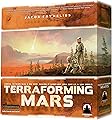
- Terraforming Mars for groups ready to step up in complexity
- Scythe for visually stunning mid-weight strategy
- Imperium: Classics for deck construction fans who want civilization flavor
Step-by-Step Guide
Step 1: Match the game to your actual group
Before buying anything, spend 10 minutes honestly assessing your group. How many people? How long will they actually sit still? Do they want competition or cooperation? Do they care about theme?
Here's my honest breakdown:
- 2 players only: Undaunted: Normandy is the best entry point I've found. It's a deck-construction game where you maneuver soldiers across a board. Plays in 45-75 minutes. The rules fit on about four pages. At 2 players this shines because you'll actually understand what your opponent is doing.
- 3-5 players, casual vibe: Wingspan wins here. The bird theme sounds niche but it hooks everyone, even people who normally ignore board games. The engine-building is satisfying after a first play.
- Group that liked Settlers of Catan and wants more depth: Terraforming Mars is your next rung. More cards, more interaction, longer play time (90-150 minutes). Fair warning: the card bloat can feel overwhelming at first.
- Group that wants to feel impressive: Scythe looks incredible on a table and plays faster than it looks once you know the rules. People genuinely enjoy looking at it while playing.
Pro tip: Buy one game, not three. Decision fatigue is real and one well-chosen game played five times beats five games played once each.
Step 2: Watch a teach video before reading the rulebook
This sounds backwards. It isn't. Modern strategy games are designed by people who think in systems, and rulebooks often explain rules in logical order rather than teaching order. A 15-20 minute YouTube video will give you the full picture in half the time.
After the video, skim the rulebook once. You're not memorizing it. You're flagging sections you'll reference mid-game. Sticky note those pages. First game with Wingspan I kept the rulebook open to the end of round section for two full games before it clicked.
Step 3: Do a 20-minute solo dry run
Before anyone else arrives, set up the game alone and play 2-3 full turns by yourself. Move through the actions. Trigger some effects. This exposes 80% of the edge cases you'd otherwise hit at the table with impatient friends watching.
For Terraforming Mars, this dry run is essential because the card interactions are dense. Play a corporation, pay for a few project cards, advance one track. You'll immediately understand what confused you in the rulebook.
For Undaunted: Normandy, set up scenario 1 and physically move a squad card through its actions. The game's momentum becomes obvious fast.
Pro tip: Keep a notepad nearby. Write down the 3-4 rules you're still unsure about so you can look them up before your group arrives.
Step 4: Teach with the "goal first" method
Most new teachers make the same mistake: they explain all the rules before explaining what winning looks like. Stop that. Flip it.
Start every teach like this: "Here's how you win. Here are the 1-2 main things you'll do each turn. Here's what the table looks like at the end of the game." Then go into mechanics.
For Scythe, the goal-first teach sounds like this: "You're trying to earn coins through a mix of territory, popularity, resources, and stars. Each turn you pick one of four or five actions. The game ends when someone places their sixth star. Then we count up coins." That's 45 seconds. Now the rules have context.
Budget 20-30 minutes for a teach of Wingspan or Undaunted. Budget 35-45 minutes for Terraforming Mars or Scythe on a first play.
Step 5: Play a "learning game" with the rulebook open
Your first play is not a real game. Say that out loud to your group. When I host first-timers, I literally say "This session is just us figuring out what the game is. Game two is when we actually compete."
Keep the rulebook and any reference cards on the table. Pause freely to look things up. For Imperium: Classics, which involves managing a civilization through deck construction, you'll hit card interactions that need clarification. That's normal. Imperium is slightly more complex than the others on this list but its player aids are good.
Allow takebacks in the learning game. Someone who misunderstands their action and can't undo it will feel punished for learning. That's the fastest way to lose a new player permanently.
Step 6: Debrief for 5-10 minutes after the game
This is the step almost everyone skips. It's also the step that most accelerates improvement and group buy-in.
After the game, ask three things: What was your favorite moment? What confused you most? Would you want to play again? That third question is your key data point. If two or more people say yes, you've found a group game. If they're lukewarm, ask what they'd change. Sometimes it's theme. Sometimes it's length. That feedback lets you pick the next game better.
After 30+ plays of Wingspan across probably 15 different people, I've seen one person who didn't want to play again. The bird theme won everyone else over fast.
Step 7: Introduce one new rule or variant per subsequent session
Strategy games often have optional rules that add complexity. Terraforming Mars has draft variants and corporate era rules. Scythe has the Automa system for solo play. Wingspan has European and Oceania expansions.
Resist the urge to layer all of these in at once. Add one new element per session. This keeps the game feeling fresh without overwhelming people who are still internalizing the base rules. After three or four sessions, your group will start asking what else they can add. That's the moment you know they're hooked.
Common Mistakes to Avoid
- Buying a game rated 10/10 on BGG without checking player count fit. A game rated brilliantly at 2 players might drag at 5. Always check the "best at" count on BoardGameGeek before purchasing.
- Skipping the learning game session. Playing your first game for real creates anxiety that kills the fun. Give your group permission to play badly.
- Teaching rules exceptions before the core loop. Edge cases can wait until they're relevant. Explaining them upfront overwrites the important stuff.
- Buying a game and playing it once. Most strategy games don't open up until play two or three. Undaunted: Normandy feels like a different game by scenario four. Give your games enough sessions to breathe.
Frequently Asked Questions
What is the easiest strategy board game for complete beginners?
Wingspan is my consistent recommendation. The core turn is simple: play a bird, gain food, lay eggs, or draw cards. The strategic depth comes from how birds chain together. Most new players are making real strategic choices by game two without feeling overwhelmed.
How long does it take to learn a strategy board game?
Most games on this list take 30-45 minutes to teach and one full play to understand. Competency, where you feel like your decisions matter and you know what you're doing, usually arrives by game three. Terraforming Mars takes longer, maybe four sessions before the card synergies click.
Are strategy board games good for 2 players?
Several of them are excellent at 2 players. Undaunted: Normandy is designed specifically for 2 and is one of the best 2-player games in my collection. Scythe works at 2 but shines more at 3-4. Terraforming Mars is playable at 2 but the card market feels thin. Check the BGG "best at" consensus before buying for a duo.
How do I get my friends interested in strategy games?
Pick a game with a strong visual or theme hook. Scythe gets people with its art. Wingspan gets people with the bird egg mechanic once they see it in action. Frame the first session as hanging out with a puzzle, not as serious competition. Casual stakes lower the barrier fast.
Is Terraforming Mars worth it for a first strategy game?
Honestly, no. I'd put it second or third on your journey. The card volume, over 200 cards in the base game, and the production tracking can overwhelm newcomers. Start with Wingspan or Undaunted, then graduate to Terraforming Mars once your group is comfortable with longer rules explanations.
Wrapping Up
Pick one game, watch one video, and schedule one dedicated session. That's the whole formula. The hobby gets intimidating when you try to research everything at once, but every experienced gamer you know started with a single box on a table. If you want to explore cooperative strategy next, check out my guide on gateway cooperative games for groups who don't like competing against each other.
Related Reading
- The Best Strategy Board Games of All Time in 2026
- Best Strategy Board Games Reddit 2026: Our Top Picks
- The 7 Best Board Games for Adults Strategy in 2026: Expert-Tested Picks
---
This guide is based on Jamie Quinn's experience hosting 100+ game nights and teaching strategy games to newcomers since 2019. About TopVett.
Get the best board game picks in your inbox
New reviews, top picks, and honest recommendations. No spam, unsubscribe anytime.
More in Strategy
The Best Engine Building Games of 2026: 5 Excellent Choices That Actually Deliver
Engine building games are genuinely addictive because they give you that satisfying progression feeling—you start with almost nothing, then gradually...
Best Euro Games for Kids in 2026: Top Picks for Family Game Night
Euro games—those elegant, strategy-focused board games from European designers—are perfect for kids who want more than dice-rolling luck.
The Best Strategy Board Games for 6 Players in 2026
Finding the right board game for exactly six players is trickier than it sounds. Too many games max out at four or five, forcing awkward house rules.